China Outdoor Advertising in 2026: Why Brands Are Flocking Back to the Streets
2026-07-08Tianci MediaViews:48
Highlights
If you've been following the marketing scene lately, you've probably noticed something shifting. Brands that went all-in on digital are now putting serious money back into the real world. China outdoor advertising is having a major moment, and it's not just a flash in the pan. We're talking about real growth, real data, and real results that are hard to ignore. The numbers tell the story. In the first quarter of 2026 alone, over 14,000 brands invested in outdoor campaigns, pushing total spending to 63.97 billion yuan. March was particularly strong – the market hit 21.41 billion yuan, up 15.8% year-over-year. For the full year, industry projections put the market at over 300 billion yuan, with digital outdoor (DOOH) finally crossing the 50% mark for the first time. That's a huge milestone that changes the entire game.
Digital Screens Are Taking Over – And It's About Time
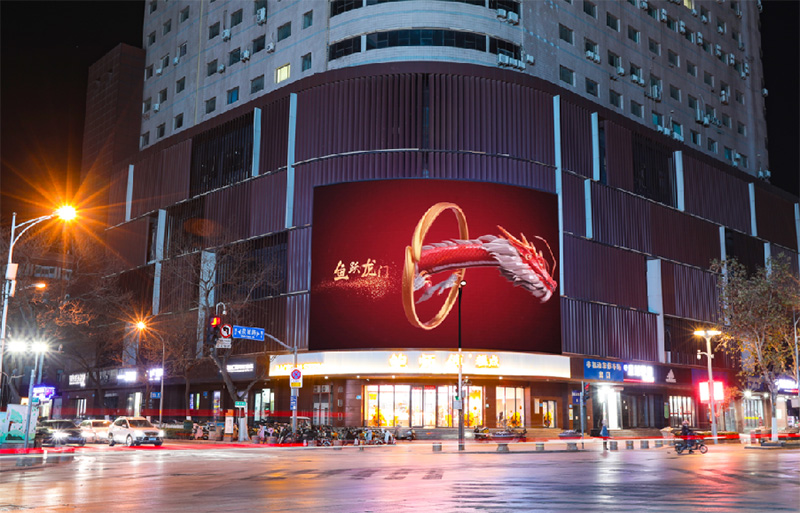
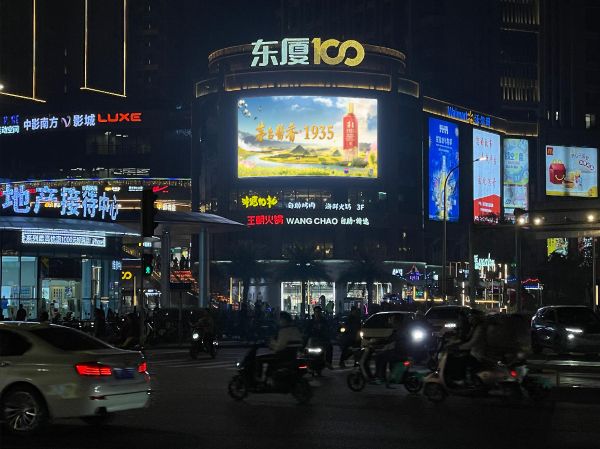
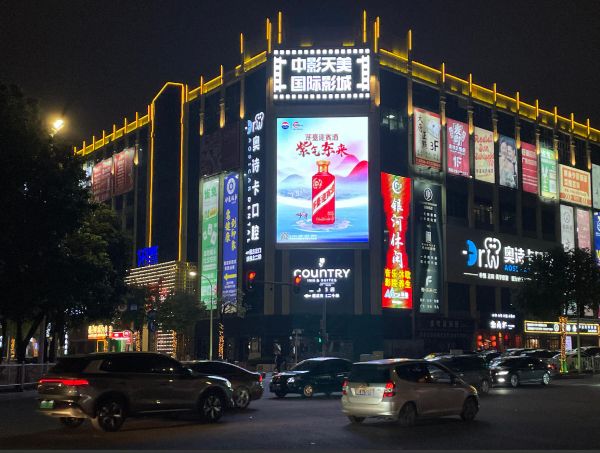
Remember when outdoor ads were just static billboards that stayed the same for months? Those days are fading fast. Digital screens now dominate the landscape, and for good reason. They're flexible, eye-catching, and can be updated in real-time. In 2026, DOOH spending is expected to surpass 50% of total outdoor ad expenditure. That means more than half of all outdoor ad dollars are going into digital formats.
What's driving this shift? Simple – brands want the same agility they get from digital campaigns, now applied to the physical world. Automated buying, smarter location data, and transparent reporting have completely reshaped expectations. Programmatic digital out-of-home (pDOOH) is becoming the go-to buying method as brands look for faster activation and better measurement. In fact, 42% of Chinese advertisers now plan to allocate dedicated budgets to pDOOH, up significantly from 33% just two years ago. This isn't experimental anymore – it's becoming standard practice.
Location Intelligence: The New Secret Sauce
Here's where things get really interesting. Outdoor advertising used to be about buying space. Now it's about buying audiences in specific places at specific times. Location intelligence powered by AI is changing how campaigns are planned and executed. Marketers can now predict audience movement, traffic patterns, and engagement hotspots with real data – not just gut feelings.
This shift matters because it turns outdoor advertising from a spray-and-pray approach into something far more surgical. Whether you're running Shenzhen outdoor advertising campaigns in bustling commercial districts or targeting commuters in transit hubs, you can now back every placement decision with hard numbers. The result? Better ROI and happier clients who can actually see what their money bought.
Shenzhen: A Rising Star in the Outdoor Ad Scene
Speaking of specific markets, Shenzhen deserves special attention. The city has quietly become a powerhouse in China advertising launch, especially when it comes to outdoor formats. In 2025, Shenzhen ranked third among all Chinese cities for outdoor ad spending, with over 3,000 active brands choosing it as a key market. That's the highest brand count among all first-tier cities.
What makes Shenzhen stand out? The city combines massive foot traffic with tech-savvy consumers who actually engage with digital outdoor content. Recent launches like the "Eye of the Sea" 8K ultra-HD screen in Shenzhen Bay represent the cutting edge – a 2,188-square-meter digital canvas that's become a city landmark. For brands looking to make a statement, Shenzhen outdoor LED screen advertising offers unmatched visibility in one of China's most dynamic urban environments. The Shenzhen market is also seeing creative experiments with L-shaped screens and 3D displays that turn ordinary ad spaces into social media magnets.
Programmatic Buying Is Changing the Rules
The rise of programmatic buying deserves its own mention. This isn't just a buzzword – it's fundamentally changing how outdoor inventory is bought and sold. Programmatic DOOH platforms let advertisers buy screen time the same way they buy digital ads, with real-time bidding, audience targeting, and performance tracking.
The adoption rate among media agencies now stands at 36%, up from just 24% among advertisers overall. That gap tells you something – agencies are seeing the value and leading the charge. As programmatic capabilities mature, expect outdoor to become fully integrated into omnichannel strategies rather than treated as a standalone channel.
What This Means for Your Brand
If you're still treating outdoor as an afterthought or a "nice to have" channel, you're missing out. The data is clear – outdoor is no longer just about broad reach. It's about precision, creativity, and measurable results that complement your digital efforts. The brands winning right now are the ones treating outdoor as a core part of their media mix, not a leftover budget line item.
For brands considering Shenzhen outdoor advertising specifically, the opportunity is particularly compelling. The city's growth trajectory, combined with its concentration of high-income consumers and innovative media formats, makes it a test market worth watching closely. Whether you're a local player or a national brand looking to establish a presence in southern China, the Shenzhen market offers a unique blend of scale and sophistication.
The Road Ahead
Looking forward, the trends all point in one direction: outdoor advertising is becoming smarter, more measurable, and more integrated with the broader marketing ecosystem. AI-powered creative, real-time optimization, and cross-channel attribution are no longer futuristic concepts – they're happening right now. The industry is moving from "visibility-led buying" to "accountability-driven planning", and that's good news for everyone who cares about results.
The outdoor ad market in China is projected to keep growing at a steady clip, with digital formats leading the charge. For brands willing to embrace the change, the payoff is substantial – real-world impact that digital alone can't deliver.