Airport Advertising in China: A Practical Guide for International Brands
2026-07-01Tianci MediaViews:69
Highlights
China‘s airport advertising market offers international brands an unparalleled opportunity to reach the country’s most influential consumers. In 2025, Chinese airports handled a record 1.529 billion passenger trips across 270 civil transport airports. For brands seeking to establish or expand their presence in the world‘s second-largest economy, understanding the nuances of airport advertising—from airport selection to compliance requirements—is essential.
Which Airports Are Best Suited for International Brands?
Not all Chinese airports are created equal when it comes to international brand advertising. The choice of airport should align with your brand positioning, target audience, and campaign objectives.
Tier 1: Primary International Gateways
Shanghai Pudong International Airport (PVG) ranks as China‘s undisputed leader in international traffic, with 32.87 million international passengers in 2025—more than double the second-ranked airport. For brands targeting global travelers, business elites, and high-net-worth individuals, PVG is the premier choice.
Guangzhou Baiyun International Airport (CAN) follows with 16.73 million international passengers in 2025. As the gateway to the Greater Bay Area and a key entry point for Canton Fair buyers, CAN offers exceptional access to international trade professionals.
Beijing Capital International Airport (PEK) ranks third with 14.66 million international passengers. As a mature international hub with a long-established reputation, PEK is ideal for luxury brands and long-term brand building.
Tier 2: Emerging International Hubs
Shenzhen Bao‘an (SZX) , Chengdu Tianfu (TFU) , and Beijing Daxing (PKX) each handled approximately 5-5.8 million international passengers in 2025. These airports offer growing international reach with potentially more accessible entry points.
Airport Selection Tip: For premium positioning and maximum international exposure, prioritize PVG, CAN, and PEK. For regional market entry or cost efficiency, consider SZX, TFU, or PKX. Beijing Daxing, with its modern digital infrastructure and younger traveler demographic, is particularly suited for lifestyle, technology, and youth-oriented brands.
The Airport Advertising Cooperation Process
Working with an experienced airport advertising partner streamlines the complex process of media buying in China.
Step 1: Needs Assessment & Strategic Planning
Define your campaign objectives—brand awareness, product launch, seasonal promotion, or market entry. Identify your target audience segments (business travelers, leisure tourists, international transit passengers) and desired campaign timeline.
Step 2: Media Resource Selection
Based on your objectives, select appropriate media formats and placements. Premium options include:
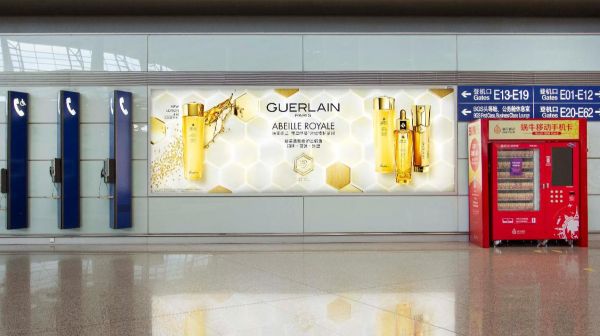
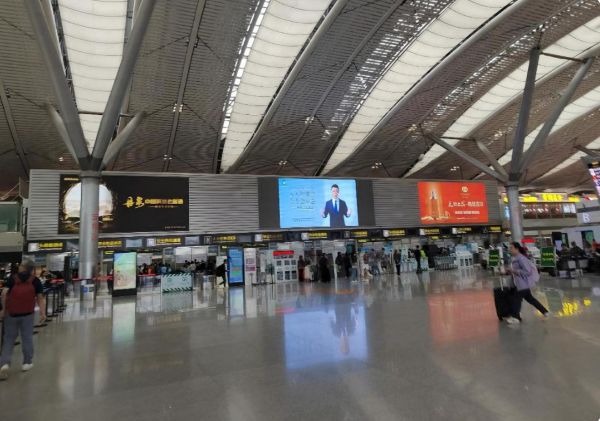
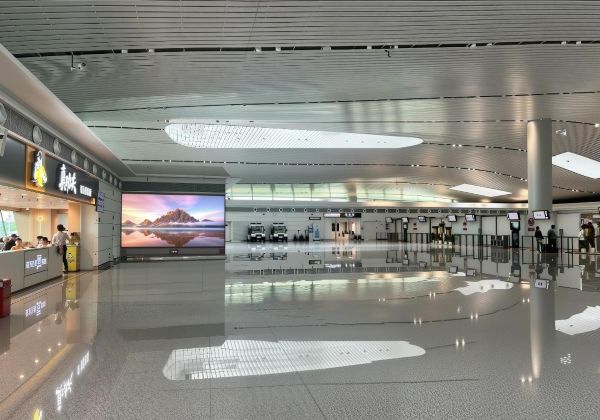
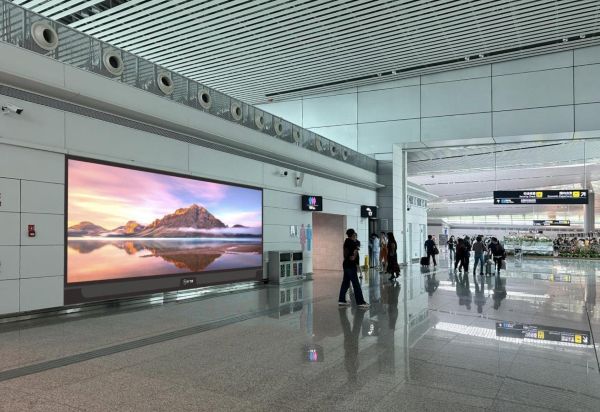
Check-in Hall LED Mega-Screens – The first impression for departing passengers, offering maximum visual impact
Security Checkpoint Displays – Mandatory waiting zones with 3-5 minutes of captive exposure
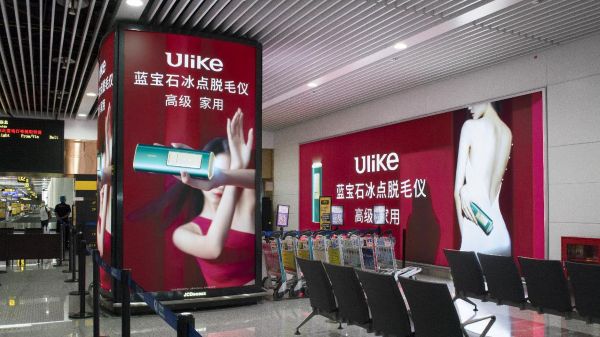
Boarding Gate & Jet Bridge Ads – Extended dwell time with repeated exposure
Baggage Claim Displays – 15-20 minutes of relaxed attention for arriving passengers
VIP Lounge Media – Precision targeting of the highest-net-worth travelers
Step 3: Creative Development & Approval
All airport advertising content in China must comply with the Advertising Law and relevant regulations. Content must not:
Violate social morals or public interests
Infringe upon others‘ legal rights
Endanger national security or public safety
For international airports, consider multilingual content and cultural sensitivity to avoid unintended offense across diverse passenger backgrounds.
Step 4: Media Booking & Contract Execution
Airport advertising in China operates through exclusive media concessionaires. Each major airport has a designated operator managing all advertising inventory. International brands typically work through qualified advertising agencies that hold media access rights.
Step 5: Campaign Launch & Monitoring
Once creative is approved and media is booked, the campaign goes live. Digital out-of-home (DOOH) formats enable real-time monitoring and optimization.
Step 6: Performance Reporting
Post-campaign reports typically include delivery verification, exposure metrics, and performance analysis.
Required Qualifications & Documentation
For Brands (Advertisers)
According to the Advertising Law and local regulations, advertisers must provide:
Business License – Valid corporate registration certificate
Tax Registration Certificate – Proof of tax compliance
Industry-Specific Certifications – For sensitive categories such as pharmaceuticals, medical devices, food, and alcoholic beverages, additional approvals or certificates may be required
Product Documentation – For imported products, customs clearance documentation and import inspection certificates
For Advertising Agencies
Agencies handling airport advertising in China must demonstrate:
Legal Registration – Registered as an enterprise legal person in China
Advertising Operation Qualification – Legitimate domestic advertising and agency credentials
Financial Standing – Minimum registered capital requirements (typically RMB 1-5 million depending on airport)
Media Access Authorization – Valid advertising operation authorization (or sub-authorization) for the specific airport media
Operational Track Record – Minimum 2+ years of advertising experience
Clean Compliance Record – No violations, commercial bribery, or trademark infringements
Special Considerations for International Brands
Foreign enterprises conducting advertising in China must engage a locally registered advertising agency with foreign advertising operation capabilities. The agency will:
Verify the advertiser‘s creditworthiness
Handle all documentation and approval processes
Ensure compliance with Chinese advertising regulations
Advertising content must be truthful and substantiated, with particular restrictions on health claims and comparative advertising.
Key Compliance Considerations
Content Review Process: All airport advertising must undergo review by both the advertising agency and the airport media operator before publication.
Social Responsibility: Airport advertising carries heightened social responsibility due to the public nature of the environment.
Cultural Sensitivity: International airports host diverse passenger populations—content should avoid cultural conflicts or inappropriate messaging.
Prohibited Content: Ads must not contain false claims, violate public morals, or harm national dignity.
Common Pitfalls for International Brands
Underestimating Lead Time: Creative approval, media booking, and campaign execution typically require 4-8 weeks of advance planning for premium placements.
Overlooking Seasonal Peaks: Major travel periods—Spring Festival (Jan-Feb), summer holidays (Jul-Aug), Canton Fair (Apr-May & Oct-Nov), and National Day week (Oct)—require earlier booking.
Ignoring Passenger Flow Patterns: Understanding passenger movement (check-in → security → boarding, or arrival → baggage claim → exit) is critical for placement effectiveness.
Neglecting Digital Integration: Chinese consumers expect seamless online-offline experiences. QR codes, promo codes, and social media integration can significantly amplify campaign impact.
Why Partner with Tianci Media
Tianci Media is a global AI-powered intelligent advertising service provider with deep expertise in airport media. Operating under a “self-owned resources + integrated customization” dual-engine model, Tianci Media holds strategic media resources at premium aviation hubs including Beijing Capital, Beijing Daxing, and other major airports. The company leverages AI-powered audience segmentation—analyzing traveler cabin class, flight frequency, destination preferences, and consumption behavior—to ensure precise targeting.
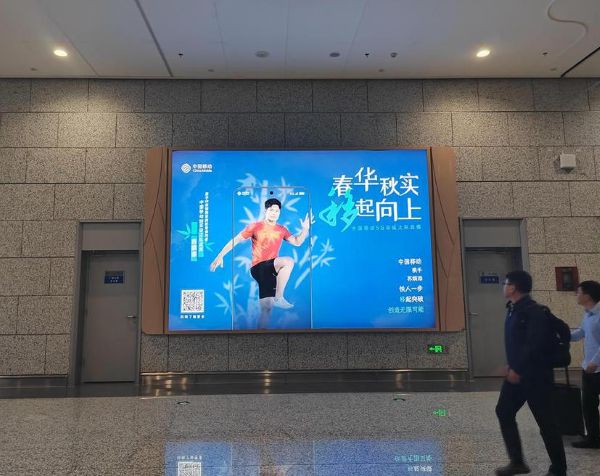
From audience profiling and creative consultation to placement, compliance management, and performance tracking, Tianci Media delivers end-to-end solutions for international brands entering the Chinese market. Trusted by leading brands including China Mobile, Yili, and Budweiser, Tianci Media ensures your campaign takes off at China‘s busiest and most prestigious travel gateways.