

Search
3150results match your search criteria
HOT
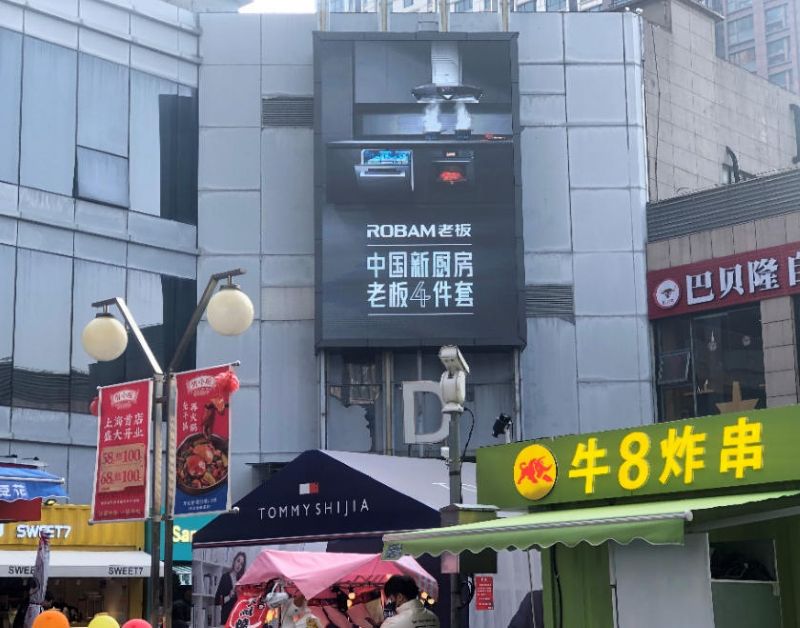
Shanghai Zhoupu Wanda Plaza LED Screen
Illuminate the eyes, brighten life
As Wanda Group's inaugural project in Shanghai, it carries the history of regional commercial development, with a brand recognition rate as high as 92%. Being the first launch site of the Wanda commercial system in Shanghai, it comes with the credibility of high-end brand trust, attracting priority investment from luxury goods, fast fashion, and other high-end brands.
Quote
¥8 W-15 WTips:Can match different media resources to form a quotation plan and download it
HOT
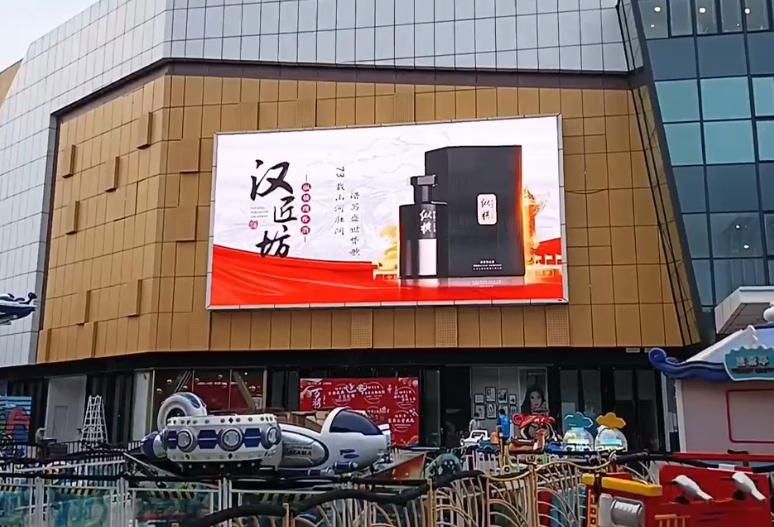
Shanghai Pujiang Wanda Plaza LED Screen
Extraordinarily brilliant, growing fresher with time
Pujiang Wanda Plaza is located in Pujiang Town in the southern part of Shanghai and is one of the key development areas of Minhang District. The surrounding area has several large residential communities, including the core residential area of Pujiang Town and the new town area of Pujiang. The population is densely distributed, and more than ten bus routes intertwine around the mall, forming a 15-minute urban living circle.
Quote
¥8 W-15 WTips:Can match different media resources to form a quotation plan and download it
HOT
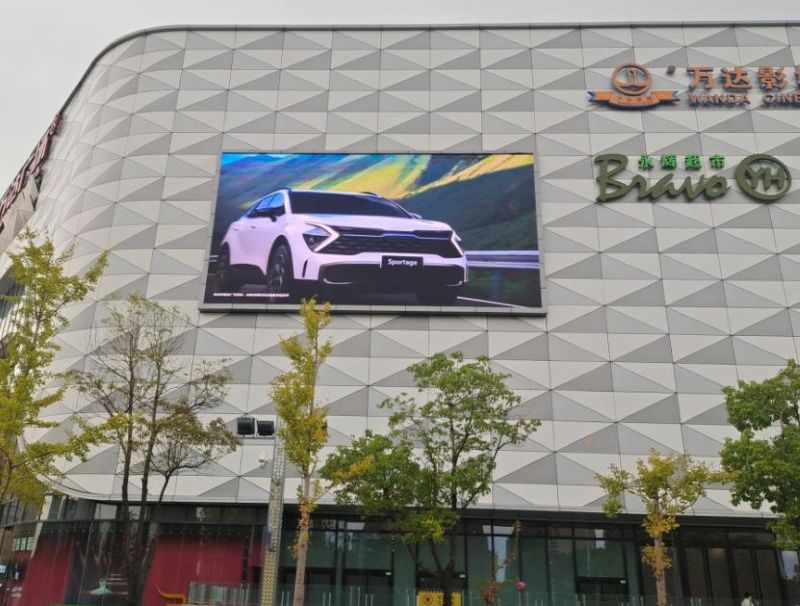
Shanghai Maqiao Wanda Plaza LED Screen
Born for energy saving, shining with the future
LED screens are not only a platform for advertising displays but also a bridge connecting brands with consumers, and commerce with art. Through unique water curtain technology, they provide consumers with an immersive experience, becoming a landmark highlight of shopping malls and effectively enhancing brand awareness and mall popularity.
Quote
¥8 W-15 WTips:Can match different media resources to form a quotation plan and download it
HOT
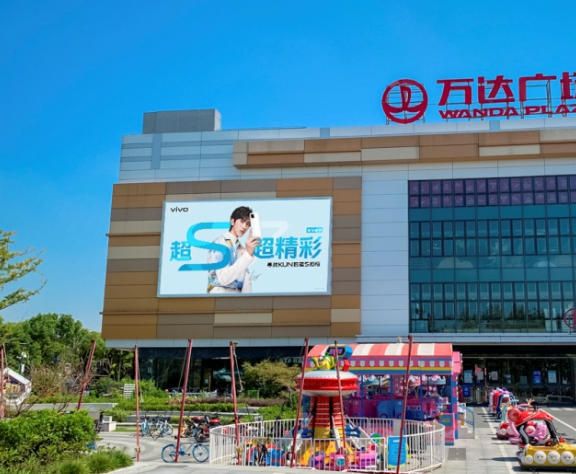
Shanghai Zhuanqiao Wanda Plaza LED screen
Brilliant colors, stunning visuals
As a regional core commercial center, Zhuanqiao Wanda Plaza attracts a large daily flow of visitors, precisely reaching nearby residents, office workers, and student groups, covering multiple established residential communities within a 3-kilometer radius, effectively reaching young consumers and family customers.
Quote
¥8 W-15 WTips:Can match different media resources to form a quotation plan and download it
HOT
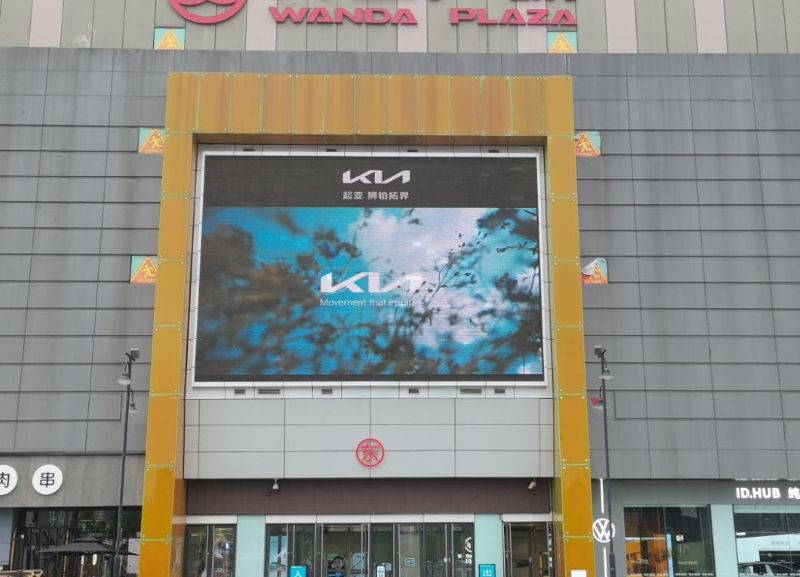
Shanghai Jiangqiao Wanda Plaza LED Screen
Superior in quality, better in price
Jiangqiao Wanda Plaza is located in the Jiangqiao area of Jiading District in northwest Shanghai. It is bordered by Jinsha Jiangxi Road to the north and Huajiang Road to the east, adjacent to Putuo District. Situated on the Shanghai-Nanjing development axis of the Yangtze River Delta, it is only about 8 kilometers from Zhongshan Park and serves as an important commercial landmark in northwest Shanghai.
Quote
¥10 W-20 WTips:Can match different media resources to form a quotation plan and download it
HOT

Shanghai Baoshan Wanda Plaza LED Screen
Seize the lead and shine globally
Large screens are not only advertising platforms, but also bridges connecting brands and consumers, business and art. They provide brands with a powerful communication platform and commercial value, effectively enhancing brand awareness, reputation, and market share.
Quote
¥10 W-20 WTips:Can match different media resources to form a quotation plan and download it
HOT
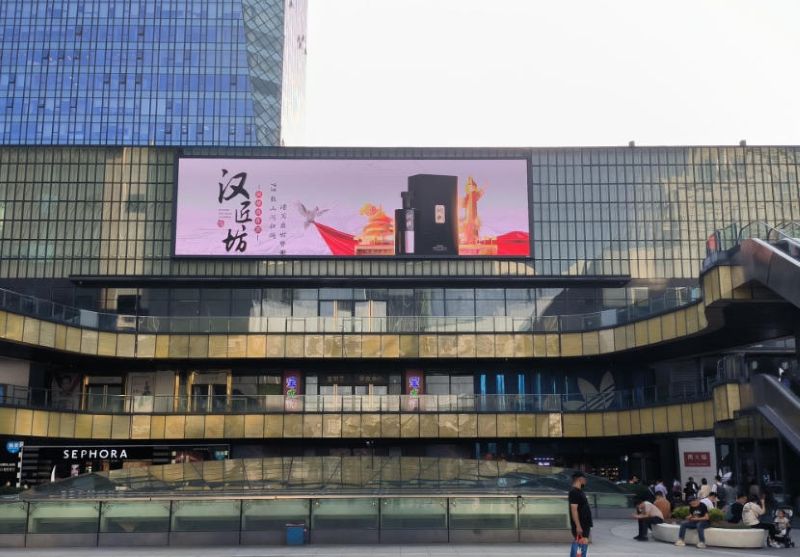
Shanghai Wujiaochang Wanda Plaza LED screen
Radiance lasts forever, illuminating the future
As the core commercial hub of Shanghai's sub-center, Wujiaochang Wanda Plaza carries an important mission for regional commercial development, attracting consumers from surrounding areas and even the entire city. It experiences high daily foot traffic and offers significant advertising exposure.
Quote
¥15 W-30 WTips:Can match different media resources to form a quotation plan and download it
HOT
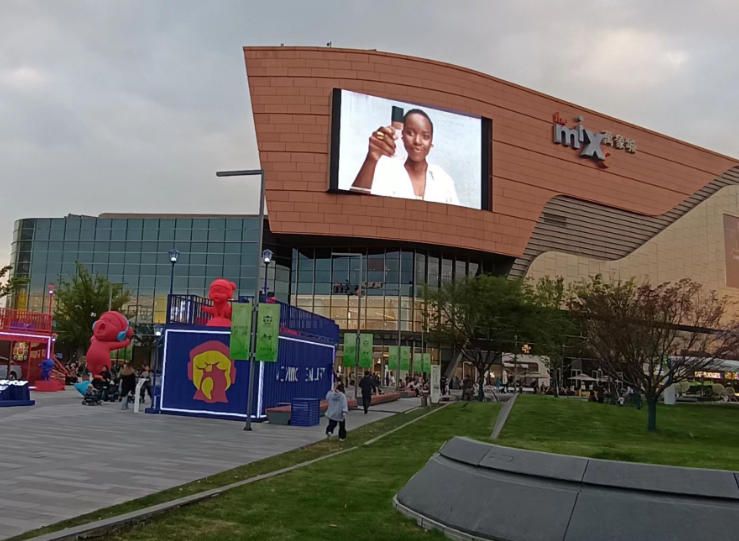
Shanghai Wuzhong Road MixC LED Screen
Technology illuminates life, and saving creates wealth.
Around Vientiane City, there is a concentration of mid-to-high-end consumer groups, including business people, young consumers, and family shoppers. They possess strong consumption potential and influential reach. Young consumers are active on social media, enjoy sharing their consumption experiences, and can bring secondary exposure for brands.
Quote
¥18 W-36 WTips:Can match different media resources to form a quotation plan and download it

We have over decades of experience in developing outdoor advertising media placement strategies to drive brand success on a global scale.
Community Ads
Other Ads
Copyright © 北京杨氏天赐传媒有限公司 版权所有京ICP备2021000929号-7Sitemap广告投放
Links:
天赐传媒