
- Photos
- Specs
- Advantages
- Value
- Media Map
| Area:Jie yang | Type:airport | Frequency:0 |
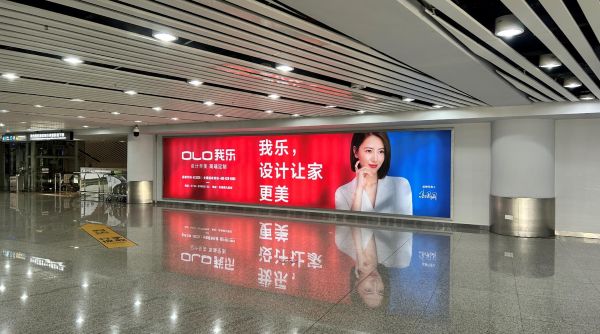
| Address:Jieyang Chaoshan International Airport | Format:Light box | Duration:0 |
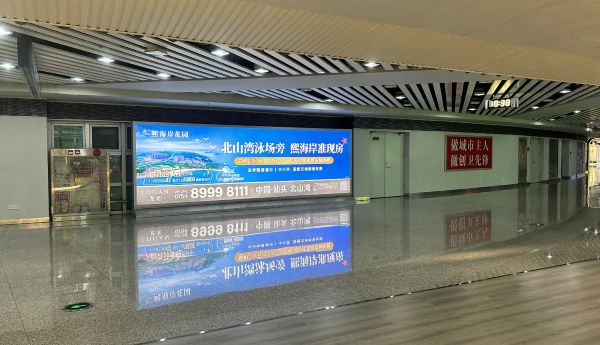
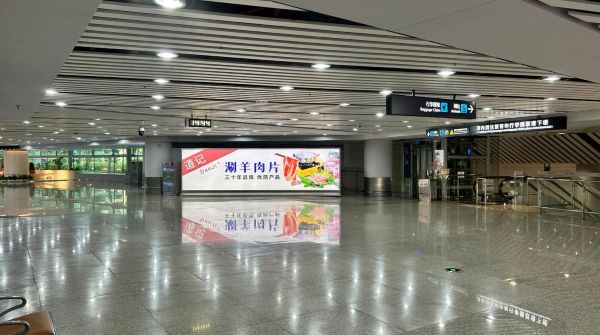
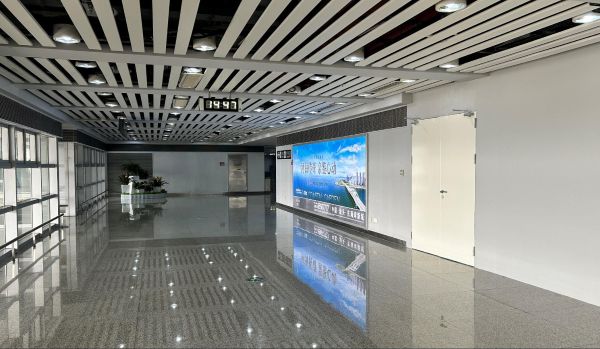
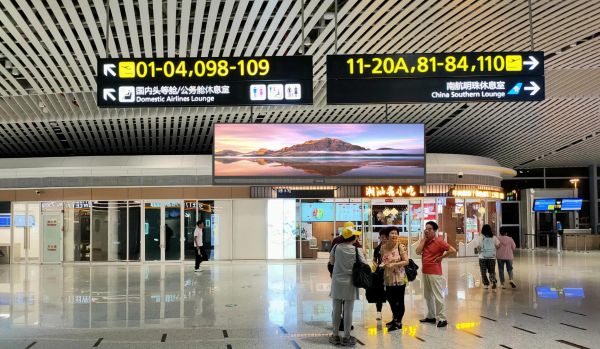
| Location:Baggage Claim Area, T1 Domestic Arrival Corridor | Min Qty:1 | Operating Time:0-24o'clock |
| Size:9940mm*2140mm | Min Period:year |
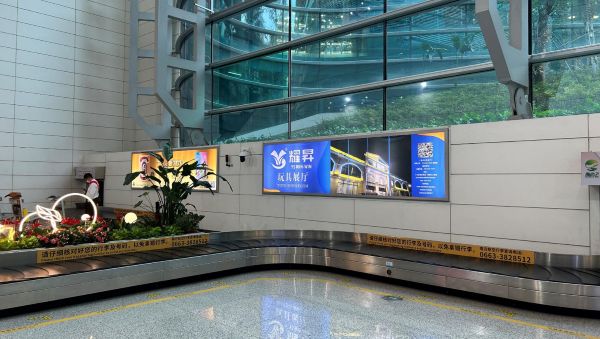
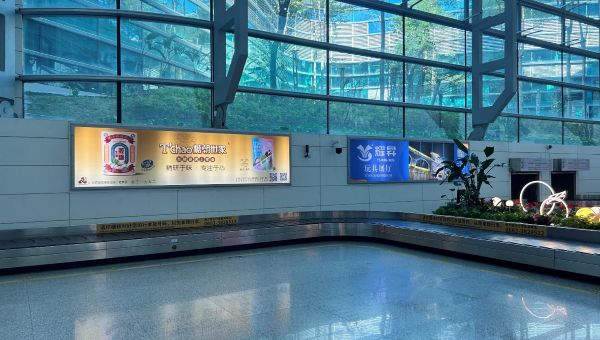
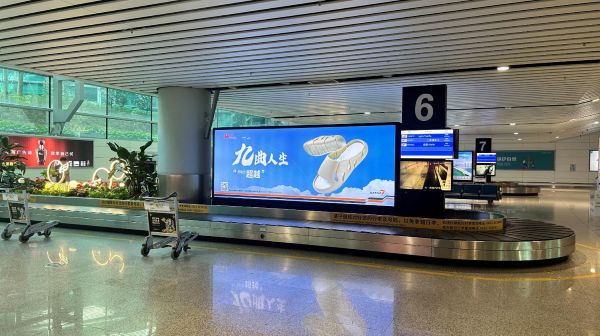
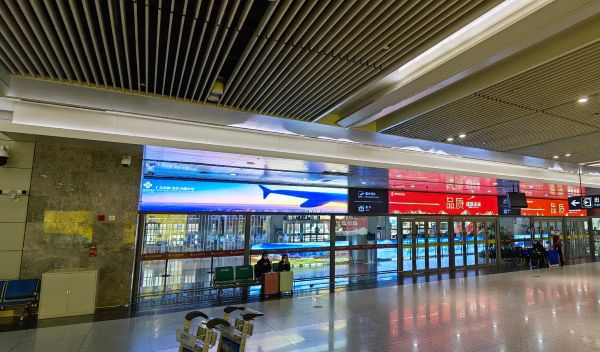
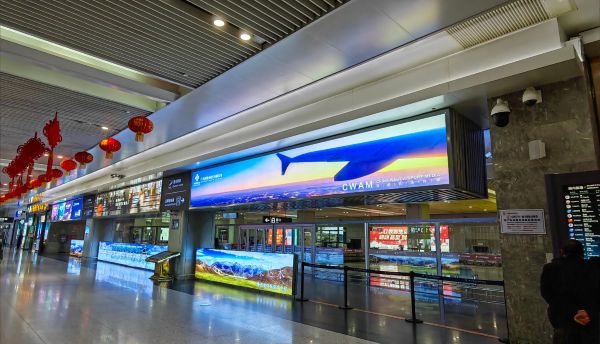
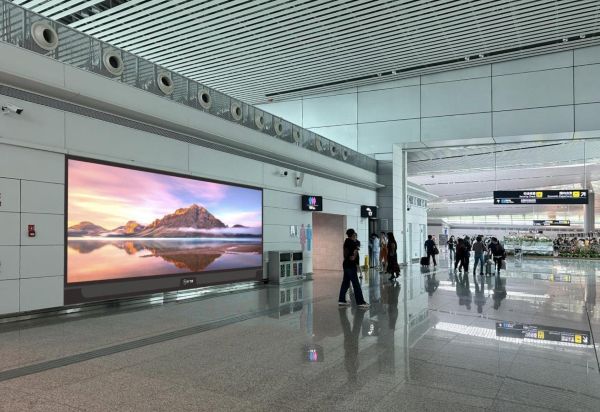
The end of the domestic arrival corridor and the main core wall of the baggage claim hall constitute a mandatory convergence area for all passengers with checked‑in domestic baggage. Passengers stop here to wait for their luggage, with a stable idle dwell time of 3‑8 minutes. In a relaxed state with spare attention, they proactively take in visual environmental information. The advertising delivers far deeper exposure than regular corridor locations, yields remarkable brand recall, and ranks among the highest‑conversion premium scenarios on the arrival side.
Spacious and bright, the baggage hall features an overall simple and grand style. Advertisements in this zone are sparsely and rationally arranged without cluttering visual perception, creating a clean and premium communication environment. A single light‑box can independently capture full‑site attention, delivering messages clearly, intuitively and efficiently. Mounted on solid physical walls, the media boasts stable hardware and convenient maintenance, supporting long‑term consistent brand display and suiting the building of a lasting, unified and high‑end brand image at the airport.
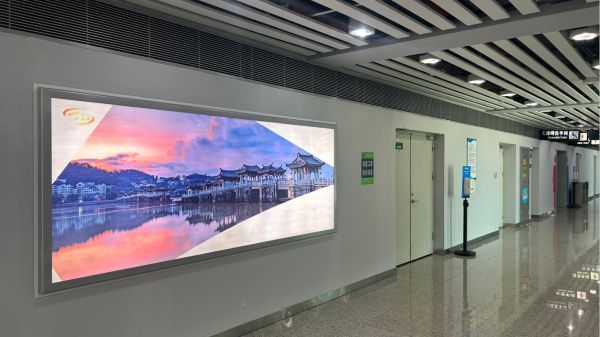
All arriving domestic passengers with checked baggage must enter the baggage claim hall to collect their luggage after disembarking, with no alternative diversion routes, achieving 100% coverage of T1 domestic arrival passenger flow. Passengers spend 30‑60 seconds traversing the enclosed indoor corridor at eye‑level close viewing distance. The efficiency of advertising message reception is much higher than in the hurried departure‑level scenarios, with brand memorability improved by 3‑5 times.
This spot is located at the closing section of the arrival flow path. It can form relay‑style communication featuring "first impression in the passage + in‑depth exposure in the baggage hall" together with the light boxes at the front of the T1 arrival corridor. It delivers continuous exposure throughout passengers’ journey from disembarkation to baggage claim, deepening brand impressions step‑by‑step and fully capturing the mindset of all arrival passengers at T1. It is a core premium spot that completes the high‑end communication matrix for the T1 arrival zone and boosts overall advertising performance.
While waiting for baggage, passengers tend to have ample time, a relaxed state of mind, minimal advertising distractions and high levels of concentration, enabling sufficient information uptake. Brand recall and communication conversion rates are far higher than those of conventional out‑of‑home media, which effectively improves marketing ROI. Passengers demonstrate high receptiveness to advertising messages, with an effective viewing duration far exceeding that of ordinary spots. Boasting strong visual impact, it is ideal for brand image display and can effectively elevate brand status and credibility.
Its core audiences include business travellers arriving in Guangdong, inter‑regional tourists, and high‑value returnee groups. Having just arrived in the locality, these audiences have immediate practical needs such as cultural tourism, accommodation and catering, car‑rental services, business negotiations and local consumption. They feature short consumption decision‑making cycles and strong willingness to make on‑the‑spot purchases. This spot suits targeted on‑site marketing initiatives including urban cultural‑tourism image promotion, hotel and car‑rental services, local specialty brands, real estate, high‑end alcoholic beverages, exhibition investment promotion and business services.