
- Photos
- Specs
- Advantages
- Value
- Media Map
| Area:Xiamen | Type:airport | Frequency:0 |
| Address:Xiamen Gaoqi International Airport | Format:Light box | Duration:0 |
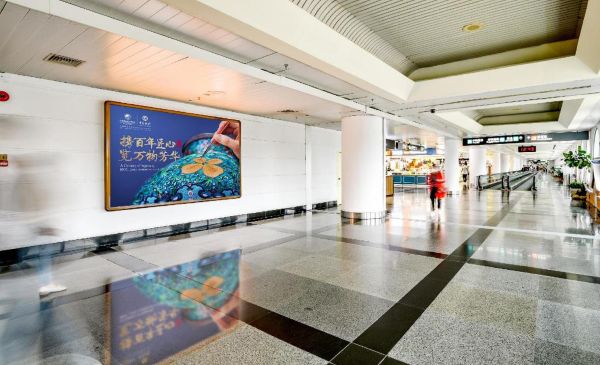
| Location:F3 Domestic Departure Lounge Corridor | Min Qty:1 | Operating Time:0-24o'clock |
| Size:3*2m | Min Period:year |
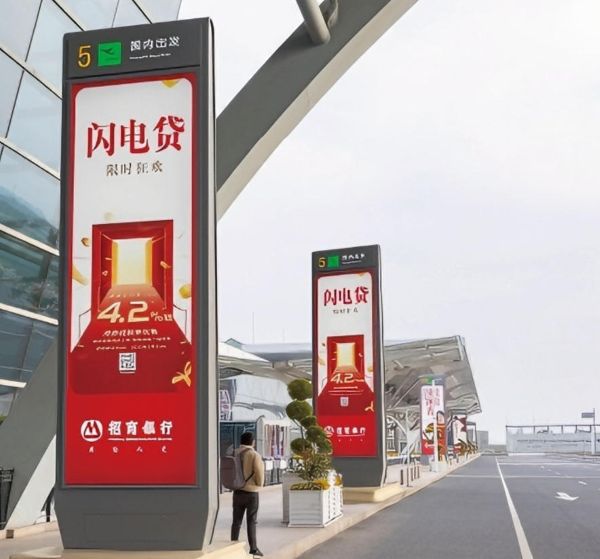
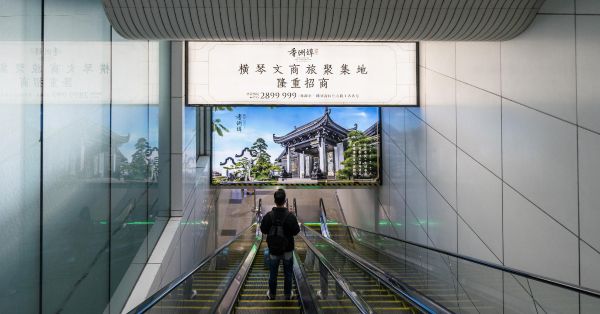
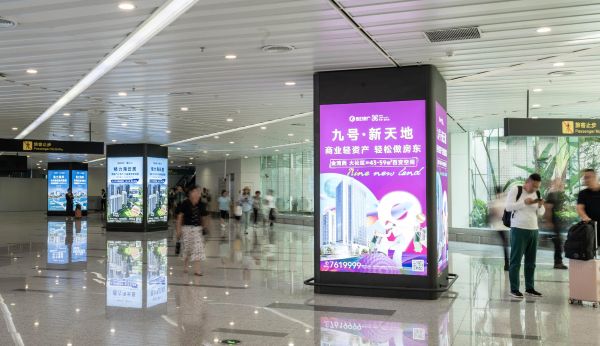
The corridor in the departure lounge is the only passage for passengers heading to boarding gates. Featuring a relatively enclosed space, passengers walking or waiting in the corridor are in a state of passive attention. Their eyes are easily drawn to bright lightbox visuals. Airport advertisements can reach passengers 5 to 8 times per day on average, boasting a markedly higher memory retention rate than open outdoor settings such as subways, enabling large-scale and high-frequency exposure of brand messages.
The neatly embedded lightboxes on corridor walls blend seamlessly with the minimalist and upscale spatial environment of the departure lounge. There is little interference from surrounding advertisements, allowing brand visuals to stand out independently. The entire set of locations features symmetrical and orderly layout with flexible and unrestricted placement options. Advertisers can either select a single spot to precisely occupy the sightline of core corridors, or deploy two connected locations to create a continuous brand display, delivering stable round-the-clock exposure covering the full operating hours of the airport.
Passengers naturally look upward while moving forward, forming an optimal 30°–45° viewing angle with the advertisement surfaces. The efficiency of information reception is 42% higher compared with eye-level advertisements. With unobstructed sightlines and no alternative bypass routes, zero-avoidance exposure is achieved. Inside the corridor, there are no electronic screens, hanging decorations or competing advertisements. The lightboxes serve as the sole vertical visual focal point, capturing attention in a dominant overhead manner and forming a complete communication chain: "Impression → Memory → Action".
Light boxes are installed at eye level for pedestrians. They can not only display large brand visuals, but also clearly deliver refined information including product selling points, brand philosophies and campaign policies. Enabling frequent and compulsory audience exposure with 5 to 8 impressions per passenger per day, they realize in-depth communication shifting from "brand exposure" to "content persuasion", effectively boosting brand communication conversion rates and audience brand recall, and delivering outstanding communication and conversion results.
After passing security checks, travelers have completed all travel procedures, free from rush anxiety and time pressure. They are in a relaxed state for free movement, strolling, resting and waiting for boarding. At this stage, travelers have scattered attention, a broad field of vision and strong willingness to observe the surrounding environment. They are highly receptive to orderly light box displays along corridor walls, and can capture brand content clearly for an extended period. This effectively addresses the pain points of transit media, namely brief exposure and low audience recall.
Its core value lies in the four-fold superimposed exposure consisting of high-purity target crowds, compulsory passage routes, low-interference immersive environment and high-conversion scenarios, achieving 100% exposure efficiency and 100% targeting accuracy. It solves the common drawbacks of ordinary advertisements: "visible but forgettable, easy to avoid". Featuring strong visual impact, high consistency between brand tonality and premium scenarios, it enhances brand credibility and premium capacity, making it a must-select premium advertising resource.