China Airport Advertising 2026: Programmatic DOOH, Immersive Tech & Data-Driven Targeting
2026-07-23Tianci MediaViews:7
Highlights
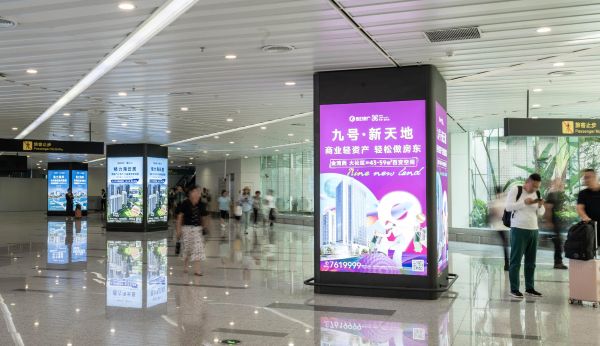
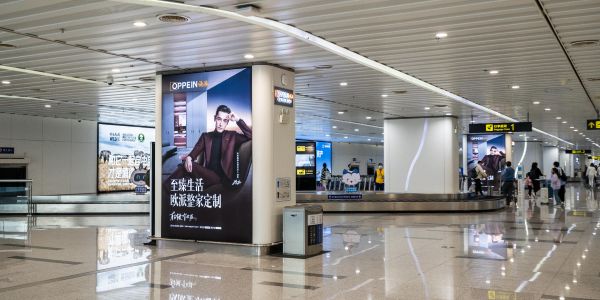
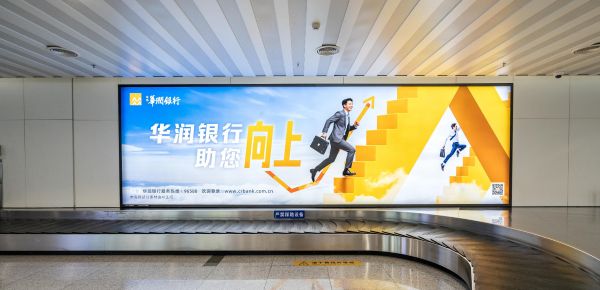
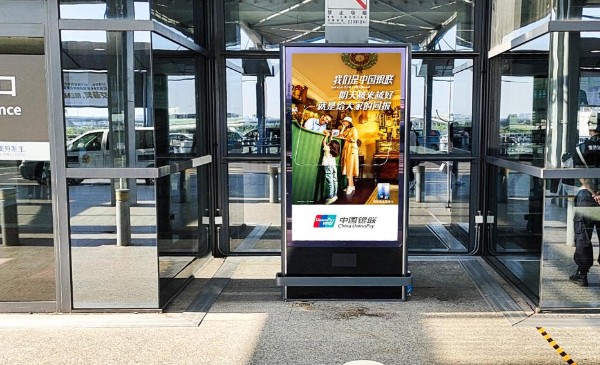
China's airport advertising is undergoing a fundamental technological shift. The industry is moving beyond static billboards and fixed playlists toward programmatic buying, immersive digital experiences, and data-driven audience targeting. In 2026, airport screens are no longer just displays—they are intelligent, responsive media assets that adapt to real-time conditions, passenger profiles, and flight schedules.
The Rise of Programmatic DOOH (pDOOH)
Programmatic Digital Out-of-Home (pDOOH) is redefining how airport advertising is bought and delivered. Unlike traditional models that rely on manual negotiations, fixed contracts, and long-term reservations, pDOOH leverages automated platforms to execute real-time ad buying and launch.
In China, adoption is accelerating rapidly. A 2026 survey found that 64% of Chinese advertisers have purchased pDOOH through digital or programmatic teams, and 42% plan to allocate dedicated budgets to pDOOH in the near term.
When long-haul international flights arrived or departure peaks occurred, core airport screen exposure intensified; during off-peak hours, spending automatically shifted to more cost-efficient windows. The result: airport screens became a responsive "high-impact mindset triggering system" rather than passive display boards.
Immersive Technologies: Glasses-Free 3D and Interactive Experiences
Technology is also transforming the creative side of airport advertising. Industry leaders are calling for airports to actively embrace AIGC, interactive ads, and glasses-free 3D technologies.
The most striking example is Guangzhou Baiyun Airport's T2 terminal, which unveiled the world's largest terminal glasses-free 3D screen in February 2026. Standing 33 meters high and 25 meters wide—825 square meters in total—the screen delivers nearly 500 million pixels of ultra-high-definition imagery. Using leading glasses-free 3D technology, it transforms the waiting area into an immersive interface connecting reality and digital art. Content ranges from digital landscapes (a waterfall cascading down the 33-meter screen) to cultural storytelling .
Beyond large-scale installations, interactive elements are becoming standard. At Chengdu Tianfu Airport, interactive induction walls in duty-free passageways allow passengers to trigger AR experiences with hand gestures, increasing dwell time by 40%. Beijing Capital Airport has integrated traditional cultural elements with AR and NFC technology, creating "touchable, experiential, and takeaway" cultural journeys through the terminal.
Even hardware is evolving. Shanghai Hongqiao Airport recently deployed LED flexible curved screens that conform to airport弧形 installation surfaces, eliminating visual blind spots for complete message delivery.
Data-Driven Targeting: From Ambiguity Exposure to Measurable ROI
Perhaps the most significant shift is the move from "experience-driven" to data-driven advertising. In October 2025, the industry's first Airport Advertising Resource Value Evaluation Guide was released, establishing quantified pathways for measuring core values like "scene scarcity" and "premium audiences".
This means airport advertising is no longer about "how many screens you bought"—it has entered an era of measurable results and assessable value. According to industry data, 83% of frequent flyers actively notice airport ads, and 75% associate these ads with premium brands.
The 2026 China airport smart marketing market is projected to reach RMB 898 million, growing 8.8% year-over-year. This market leverages big data, AI, and IoT to deliver precise targeting, personalized services, and real-time interaction centered on passengers.
The data loop is closing. By linking airport screen exposure data with subsequent online behaviors—searches, visits, purchases—advertisers can now build complete attribution paths from impression to conversion. Airport audience data can also be imported into social media ad systems for Lookalike audience expansion and precise re-marketing.
Conclusion
China's airport advertising in 2026 is defined by technology. Programmatic buying is replacing manual negotiations. Glasses-free 3D and interactive screens are transforming terminals into immersive brand experiences. Data and AI are turning vague exposure into measurable, attributable ROI.
For brands looking to reach China's most influential travelers, the message is clear: airport advertising is no longer about buying space—it's about buying intelligence, immersion, and insights. And in 2026, those who embrace the technology will win the battle for premium audience attention.