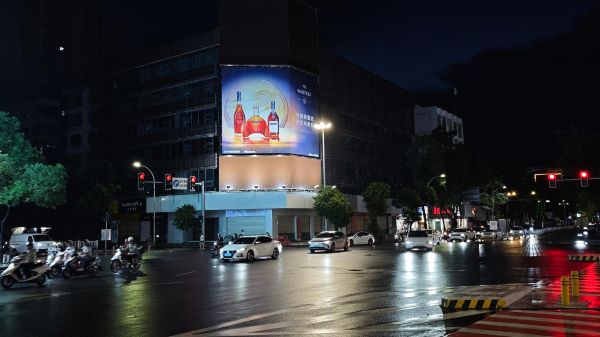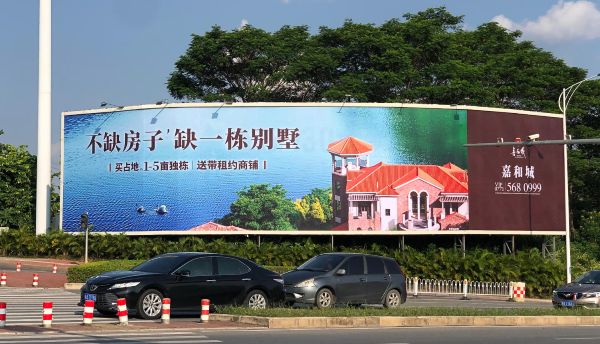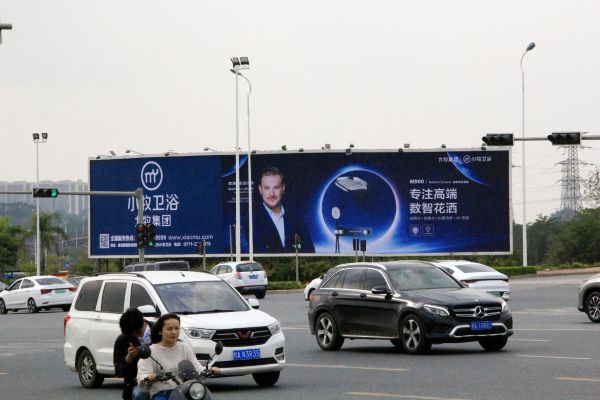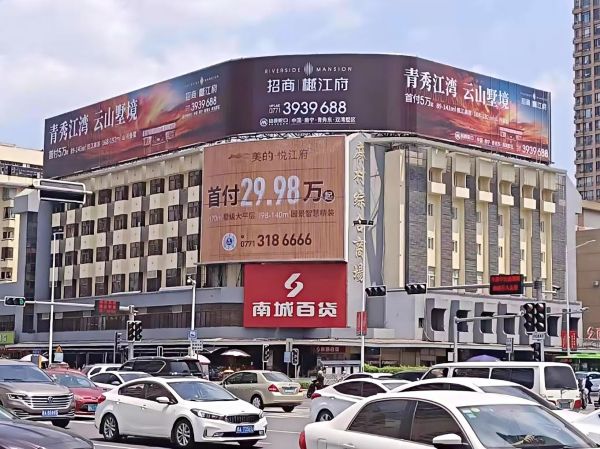
- Photos
- Specs
- Advantages
- Value
- Media Map
| Area:Ningbo | Type:high-speed railway | Frequency:160 |
| Address:No. 19 South Station East Road, Haishu District | Format:led | Duration:10s |
| Location:Central Service Center of Waiting Hall | Min Qty:1 | Operating Time:5-22o'clock |
| Size:3.84m*2.24m | Min Period:week |
Located right at the center of the second-floor waiting hall of Ningbo Railway Station, this landmark media installation is the only one across the entire station that serves as the geographic, service and visual core all at once. It sits at the intersection of the main east-west and north-south walkways in the waiting hall, with no pillars or walls blocking the view across the entire area. Thanks to its three-sided circular structure, it delivers 360-degree unobstructed visibility that fully covers all passenger flow. It boasts high ad acceptance and greatly boosts brand recall, enabling efficient full-site audience reach.
Passengers spend an average of 80 minutes waiting here and move back and forth multiple times within the waiting hall. The large screen generates millions of cumulative visual exposures per day, with standardized 10-second advertisements playing on a loop for over 160 cycles daily. Each passenger can view the ads more than three times during a single waiting session, continuously reinforcing brand memory. After the Tongsujiayong Railway and Yongzhou Railway open to traffic, passenger volume at the station will keep rising, making this traffic asset capable of sustained long-term growth.
This media facility adopts P2.5 high-definition full-color display modules, constructed as a three-sided circular pillar assembly of 4K ultra HD LED screens. Each individual screen has a standard dimension of 3.84m × 2.24m. The three surrounding screens create a 360° all-round viewing experience without any pillar or wall obstructions, allowing passengers anywhere in the waiting hall to clearly see the displayed content. The three screens can independently run advertisements for three different brands, or operate in tandem to present immersive naked-eye 3D creative visuals, which drastically amplify the visual impact and memorability of brand imagery.
With an annual passenger flow of 41.379 million, this location draws local residents, business professionals and tourists from all over, laying an extremely diverse audience foundation for brands. The dual characteristics of passengers voluntarily stopping to watch and lingering for extended periods deliver a far longer effective viewing duration than media installed on transit walkways, substantially boosting effective reach and brand recall. The large screens at this core transportation hub landmark inherently feature high-end communication attributes, serving as a core communication medium for deep cultivation of the eastern Zhejiang market and building regional brand images.
Boasting exclusive scenario advantages, precise audience targeting, high-definition visual display and multi-dimensional value empowerment, it acts as a premium medium for high-end brand communication and city image presentation, holding five core strengths: massive foot traffic, high-quality target groups, exclusive scenarios, resource scarcity and stable exposure. Its dynamic, vivid LED video visuals stand as the sole vibrant focal point within the space, triggering several minutes of involuntary fixed gaze that greatly extends exposure time for brand messages. More than just a carrier of commercial information, this media platform functions as a cultural bridge linking China to the rest of the world.
As an irreplaceable core landmark media resource inside Ningbo Railway Station, its scarcity continues to grow alongside the hub’s development. It features anti-cyclical, steadily appreciating and low-risk asset attributes, generating both steady short-term advertising operating income and dual investment returns from long-term resource premium and asset value appreciation. It represents a high-cost-performance premium investment target within the high-speed rail out-of-home media industry.