China Airport Advertising: A Complete Guide to Reaching Premium Audiences in 2026
2026-07-06Tianci MediaViews:55
Highlights
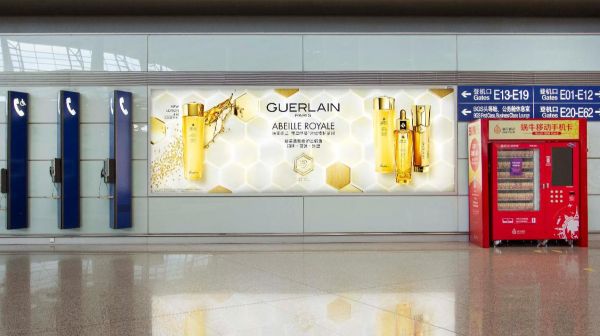
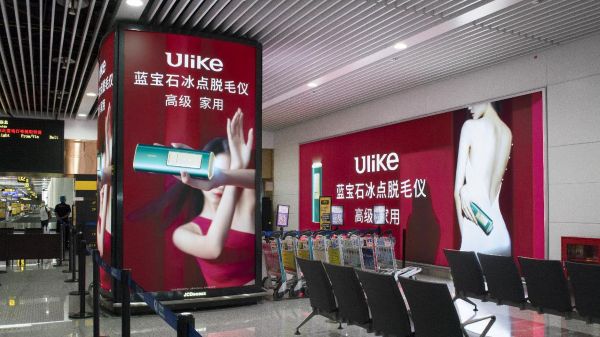
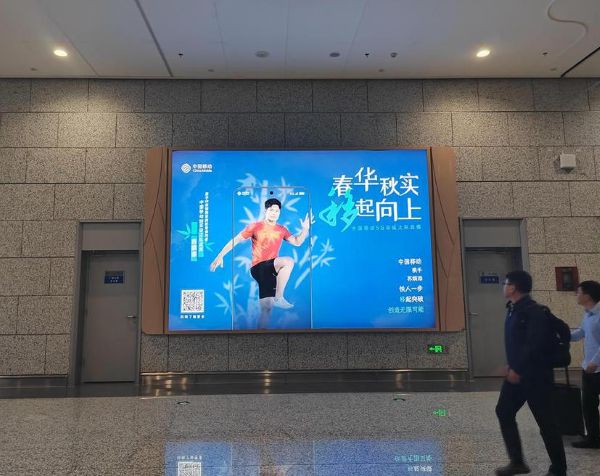
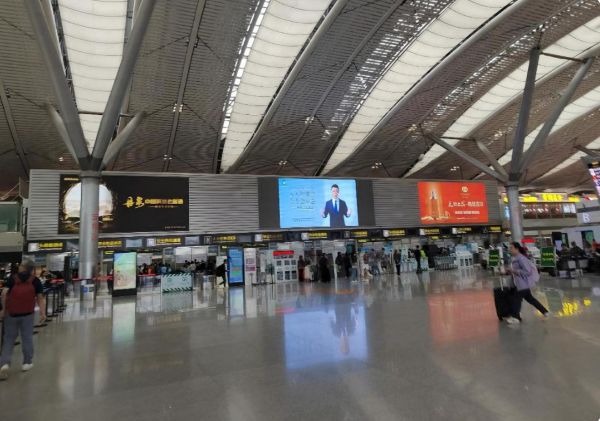
When you think about high-impact brand exposure, China airport advertising is probably one of the first things that comes to mind. And for good reason. Airports in China aren't just transit hubs—they're premium branding battlegrounds where the country's most valuable consumers spend hours in a captive environment. But here's the thing: many brands still treat airport ads like oversized billboards, missing the massive opportunity right in front of them. With passenger traffic rebounding and digital technologies reshaping the entire space, the way brands approach China airport advertising today looks completely different from just a few years ago.
Why Airports Are a Branding Goldmine
Let's be real—not all advertising channels are created equal. Airport environments are unique. You've got travelers with time on their hands, disposable income in their pockets, and a mindset that's open to discovery. According to industry data, China's civil aviation airports handled 1.46 billion passenger trips in 2024, up 15.9% year over year. That's a lot of eyeballs. And these aren't just any eyeballs—they're business travelers, high-income professionals, and international visitors who make purchasing decisions that matter. The China airport advertising market is projected to hit 10.45 billion yuan in 2025, bouncing back from a few rough years and signaling real momentum.
Beijing's Dual-Airport Advantage
If you're serious about China airport advertising, Beijing is where you want to be. The city operates two major international airports—Beijing Capital and Beijing Daxing—and together they handled over 120 million passengers in 2025. That's a 6% year-over-year increase and 21% higher than pre-pandemic levels. But here's the kicker: these two airports serve completely different audiences.
Beijing Capital Airport is the established player. It's been the country's busiest airport for years, drawing heavy international traffic and high-end business travelers. If your brand targets luxury consumers or needs to build long-term prestige, Beijing airport advertising at Capital is your play. The audience here skews toward C-suite executives, frequent flyers, and global tourists—exactly the kind of people who buy premium products and services.
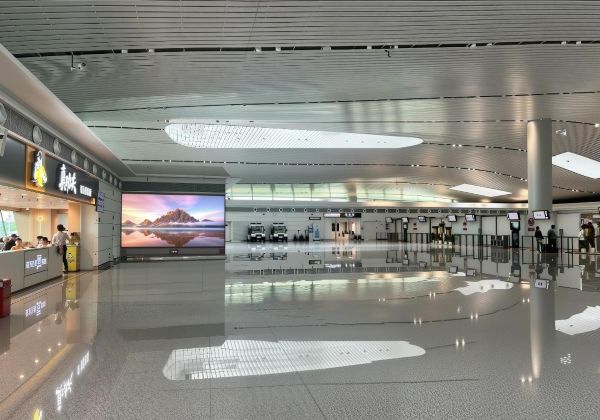
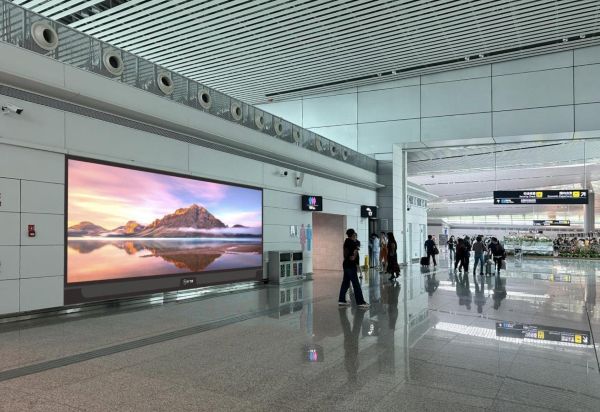
Beijing Daxing Airport, on the other hand, is the new kid on the block—and it's a game-changer. Designed by Zaha Hadid and built to handle 72 million passengers annually, Daxing leans heavily into digital and interactive ad formats. Its passenger base is younger, more domestic, and more open to experiential marketing. If you're running a campaign for a tech brand, a lifestyle product, or a short-term promotion, Daxing airport advertising offers flexibility and innovation that traditional formats can't match.
What's Actually Working Right Now
So how do you make China airport advertising work for your brand? The old approach—slap a logo on a static billboard and hope for the best—is dead. Today's airport advertising is digital, data-driven, and interactive.
First, look at what the smart money is doing. AI and cloud companies have flooded China's airports with massive campaigns. Alibaba Cloud, Baidu Cloud, Huawei Cloud—they're all fighting for premium ad space in Beijing's airports. Why? Because airport travelers are exactly the decision-makers these B2B brands need to reach. If they see value in China airport advertising, you should too.
Second, embrace digital formats. Data from 2026 shows that brands using digital airport ad combinations achieve an average ROI 187% higher than traditional static signage. Some fast-moving consumer goods brands have seen returns triple that figure. Programmatic outdoor advertising (pDOOH) is now mainstream—real-time bidding, audience targeting, and dynamic content switching based on who's passing by.
Third, think beyond the ad itself. The most successful airport campaigns today integrate online and offline—online and offline. Take the "ad screen + gift locker" model deployed at both Capital and Daxing airports. Travelers see an ad, order a gift through an app, and pick it up from a locker at the airport. That's not just advertising—that's a full customer journey.
How to Choose Between Capital and Daxing
This is the question every brand faces when planning China airport advertising in Beijing. Here's the short answer: it depends on your goals.
If you're building a premium brand image and have the budget for a long-term commitment, Beijing Capital Airport is your best bet. The audience is more international, more affluent, and more accustomed to high-end messaging. Core ad positions at Capital—especially in Terminal 3 arrivals—are locked in by major brands on annual contracts. Getting in means playing the long game.
If you're a younger brand, running a promotional campaign, or testing the waters, Daxing airport advertising offers more flexibility. The digital infrastructure supports dynamic content and shorter commitments. Plus, the younger crowd at Daxing is more receptive to interactive and experiential formats. Some brands even combine both—using Capital for brand-building and Daxing for activation.
What's Next for Airport Advertising in China
Looking ahead, China airport advertising is only getting smarter. The industry is moving toward standardization, with the "Airport Advertising Resource Value Evaluation Guide" now providing a unified framework for pricing and assessment. Technology is the other big driver—AI, AR, and NFC are turning static displays into interactive experiences that bridge the gap between seeing and buying. AIGC is streamlining everything from creative development to performance tracking. And data integration means you can now track airport ad exposure all the way to online purchases and in-store visits.
Here's the bottom line: China airport advertising isn't just about putting your brand in front of people—it's about putting it in front of the right people, at the right time, in an environment where they're actually paying attention. Beijing's two airports give you two distinct ways to do that. Whether you choose the prestige of Capital or the innovation of Daxing, the opportunity is real. And with passenger numbers climbing and digital tools getting better by the day, there's never been a better time to get your brand in the game.
Want to dive deeper into airport advertising strategies? Check out our related articles on outdoor advertising trends in China and how to measure airport ad ROI for more actionable insights.