Outdoor Large Screen Advertising Campaign Guide: How to Spark Urban Traffic with Just One Screen
2026-05-28Tianci MediaViews:64
Highlights
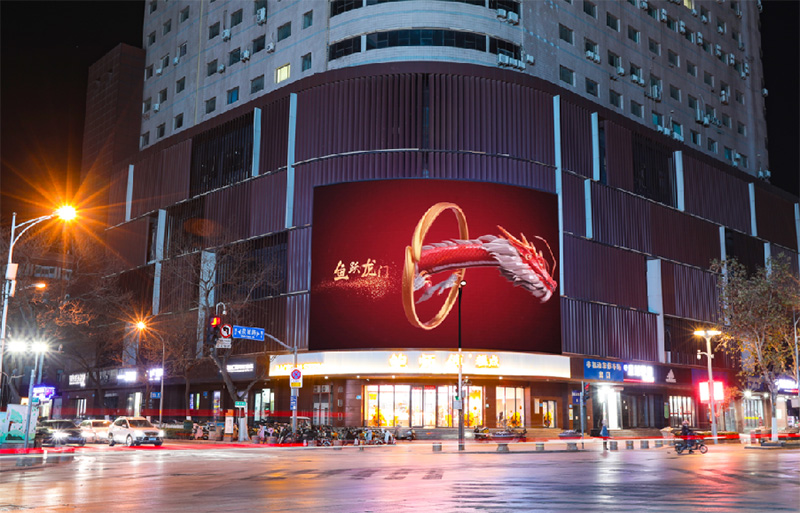
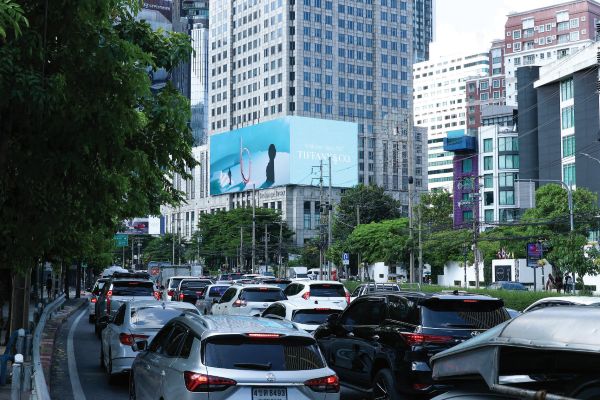
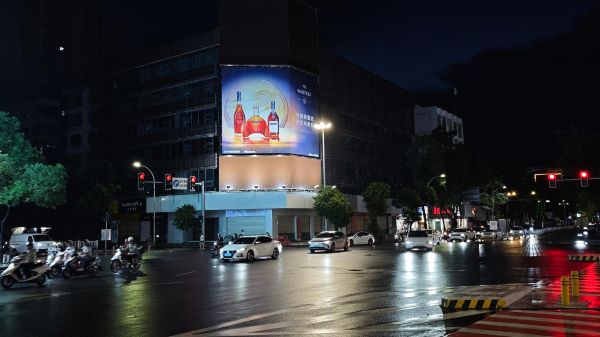
In today's era where digital media and offline scenarios are deeply integrated, outdoor large screen advertising, with its high impact, wide coverage, and immersive scene, has once again become the "golden touchpoint" for brand marketing.Whether it's the LED screen in the city's CBD or the electronic screen at transportation hubs, they are all influencing consumers' decision-making paths in a way that cannot be ignored.So, how to scientifically carry out outdoor large screen advertising campaigns?This article will break down it from three dimensions: strategy, creativity, and evaluation.
1. Three core advantages of outdoor large-screen advertising
Compulsory exposure, high attention
Unlike traditional online advertisements, outdoor large screens are located in public spaces. When pedestrians or vehicles pass by, it is difficult for them to "skip" or "turn off" them. This naturally creates high-frequency and compulsory visual contact.
Strong visual impact, shaping brand quality
Large-sized, high-brightness dynamic images combined with powerful sound effects (if permitted) can quickly establish the brand's high-end image and memorable points, especially suitable for new car launches, film promotions, and fashionable fast-moving consumer goods.
Cover key scenarios, target precise audience
By choosing specific locations such as shopping districts, office buildings, subway stations, and highway intersections, it can precisely reach target customers including commuters, shoppers, and business travelers.
II. Four Key Decisions Before Launch
1. Location Strategy: Data-driven, reject empiricism
Utilize heat maps of pedestrian flow, LBS data, and competitor analysis to determine locations with high foot traffic and high matching degree for the target audience. For example: Brands targeting young trends should prioritize commercial screens near university campuses; high-end business products should focus on airports or core CBD areas.
2. Time Slot Planning: Differentiate between day and night, as well as workdays and holidays
During the day, focus on quickly capturing attention (with high-contrast, high-brightness content)
Evening is suitable for immersive long stories or interactive content (such as scanning codes for prize draws)
During the weekend, the entertainment aspect is enhanced. On weekdays, the information related to the commuting scenario (such as breakfast brands at the subway entrance) is strengthened.
3. Content Design: The 3-second Golden Rule
The outdoor environment is highly influenced by information, and users have a short stay time. The copywriting should be completed within 3 seconds: brand logo → core selling point → action guidance. The font should be large, the color should be bright, and the dynamic changes should not be too rapid. It is recommended to use 5-10 second short videos or GIF animations that are looped.
4. Technology Integration: Online and Offline Collaboration
Display dynamic QR codes, AR interactive filters or check-in topics on the large screen, and direct offline traffic to the online store, mini-program or social media, forming a performance-effect loop. For example: Scan the screen QR code to receive store coupons, which simultaneously drives in-store conversions.
III. Effect Evaluation and ROI Calculation
Many advertisers mistakenly believe that outdoor large screens can only be used for "brand display". In fact, the effectiveness can be quantified through the following methods:
Exposure estimation: Based on the number of people at the location × The proportion of screen display duration × The visibility rate in the direction
Interactive monitoring: QR code scan count, number of UGC (user-generated content) for topics, increase in store redemption rate
Search improvement: Compare the Baidu Index or WeChat Index of the brand terms before and after the campaign launch.
A/B testing: Distribute different creative content in different areas of the same city and compare the conversion data.
IV. Industry Trends: Programmatic Purchasing + Multi-screen Integration
Currently, outdoor large screens have begun to connect with programmatic advertising platforms. They can be purchased on a per-hour basis or based on predefined audience segments (such as gender, permanent location), and the ad content can be updated in real time. Additionally, these large screens are combined with mobile push notifications, building blocks TVs, social information flows to form a "cross-screen sequence", which can significantly enhance the overall conversion rate.
V. Common Misunderstandings and Pitfall Avoidance Guide
❌ The content is too complicated: Users cannot understand or remember it.
❌ Ignore ambient light: The insufficient brightness during the day causes the picture to appear gray.
❌ Failure to test playback effect: Whether the text is legible at different angles and distances
❌ Only using a single screen: Lack of frequency control, poor memory retention
Conclusion
Outdoor large-screen advertisements are no longer "old-fashioned media". Instead, they have become digital touchpoints that integrate data-based targeting, dynamic creativity, and effect tracking. A successful placement begins with a clear strategy, is achieved through excellent content, and culminates in measurable growth. If you are planning your next brand exposure campaign, why not start with a large screen that truly "speaks"?
Action suggestion: First, select 3-5 key points for small-scale testing. Compare the data performance at different times and with different creative approaches. Then gradually increase the budget. Make outdoor large screens the brightest light in your multi-channel marketing strategy.