

Search
3110results match your search criteria
HOT
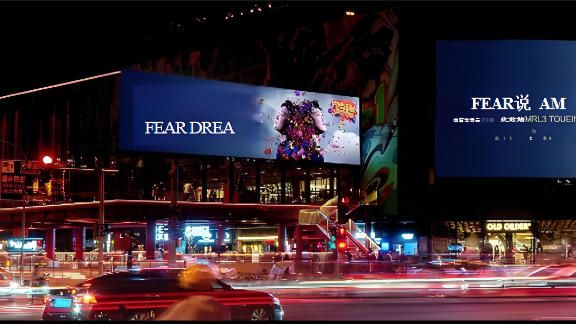
Grating Screen on the North Facade of THE BOX Chaoyangwai, Beijing
Prosperity is unfolding; we await visionary minds.
The screen stretches horizontally along the entire north facade of THE BOX, covering the full stretch of Chaoyang Outer Main Road from the Dongdaqiao Intersection to Fangcaodi West Street. The visuals can be clearly seen by two-way traffic hundreds of meters away, making this a core location for sustained exposure to commuter vehicles with full coverage of mobile crowds during morning and evening rush hours.
Quote
¥2.5 W-5 WTips:Can match different media resources to generate quotation proposals and support downloading
HOT
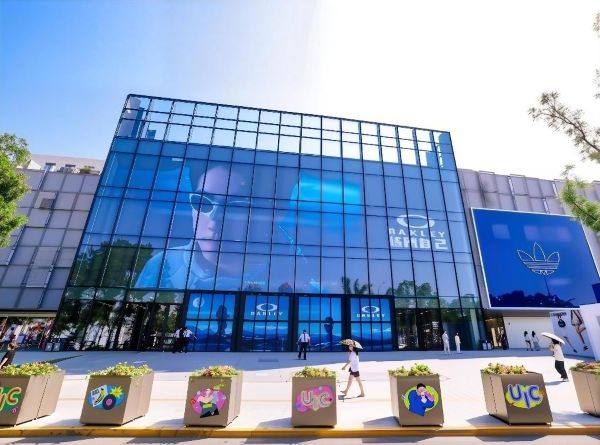
LED Ice Screen at the Main Entrance of THE BOX Chaoyang, Beijing
Light Up the Brand Radiance, Illuminate the Business Future
The ice screen is installed on the main facade of the main entrance of THE BOX Chaoyang. It serves as the project's primary urban display facade facing the public. Directly overlooking Chaoyangmen Outer Street, a major urban thoroughfare, it is visible to two-way commuter traffic from a long distance and fully covers the mobile passenger flow during daytime rush hours.
Quote
¥25 W-50 WTips:Matching various media resources to generate quotation proposals and supporting downloads
HOT
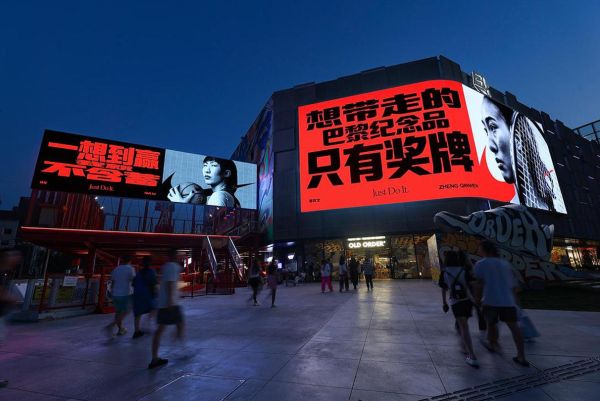
Naked-eye 3D at THE BOX Chaowai, Beijing
Hard work pays off under heaven; credibility prevails in business.
Located at the core crossroads of Chaoyangmen Outer Street, it features an L-shaped folded facade design and serves as a landmark outdoor naked-eye 3D media in the Chaowai Business District. Boasting an unobstructed wide surrounding view with no competing large screens of the same standard to divert traffic, it exclusively occupies the prime first visual spot at the road intersection.
Quote
¥34 W-69 WTips:Can match different media resources to generate quotation proposals and support downloading
HOT
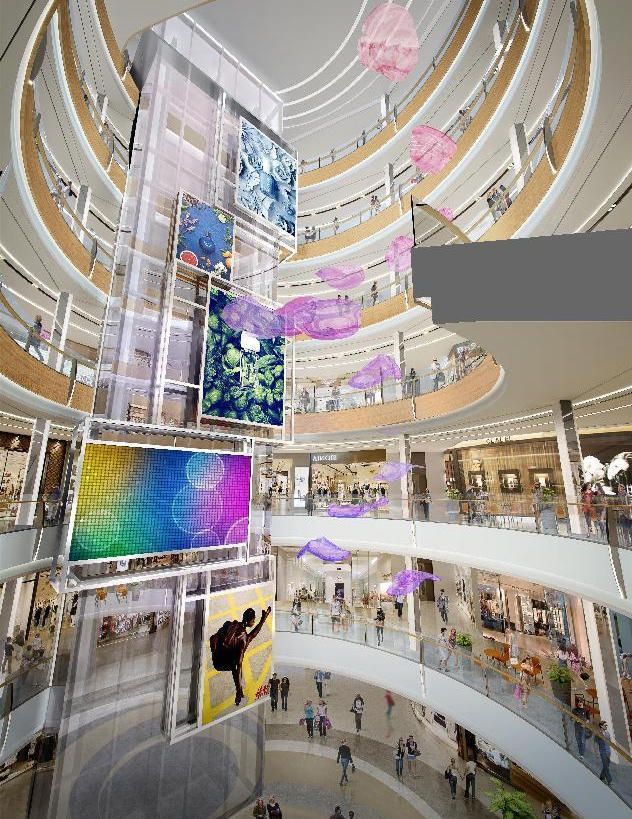
LED Screen in the Front Atrium of Zone A, Wushang Dream Time Mall
Brilliant radiance redefines a brand-new vision
Leveraging the traffic advantages of Wushang Dream Times Super Commercial, Cultural and Tourism Complex, the venue receives an average daily passenger flow of over 110,000, with peak passenger flow doubling during holidays. The oversized atrium with a high ceiling enables three-dimensional coverage across all floors from the 1st to the 8th, allowing repeated multi-frequency exposure to customers entering stores, shopping and taking escalators.
Quote
¥3 W-6 WTips:Matching different media resources to generate quotation proposals and support downloading
HOT
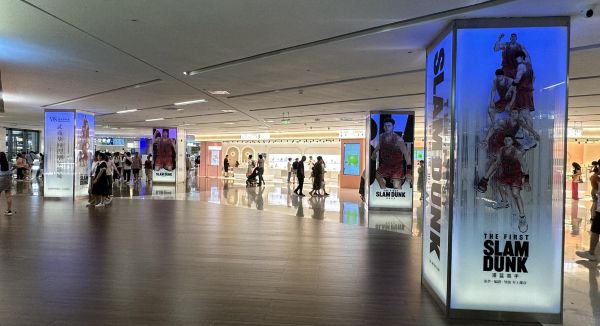
Pillar Light Box at Metro Exit A, Wushang Dream Times
Boundless vision, endless yearning in the heart
The media outlet is located at Exit A of Baotong Temple Station on Metro Line 2, serving as the only exclusive underground passage leading directly to Wushang Dream Times. With no forks or diverging paths, all consumers taking the metro to Dream Times must pass through this spot, enabling full coverage and zero loss of passenger flow.
Quote
¥4 W-8 WTips:It can match different media resources to generate quotation proposals and support downloading
HOT
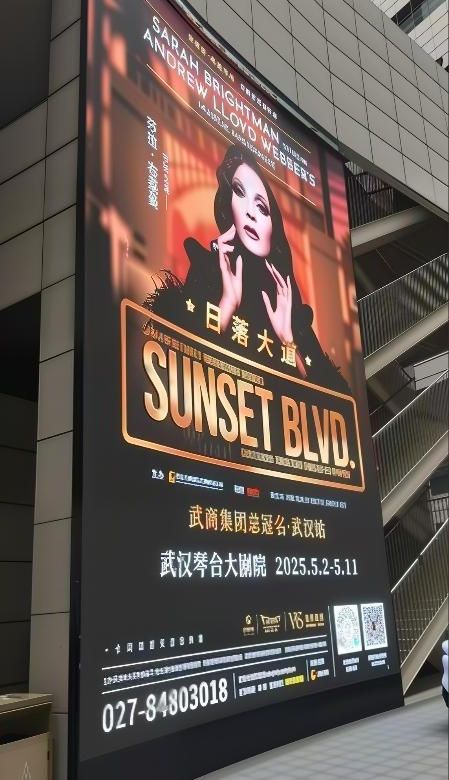
Outdoor LED Screen on East Street, Wushang Dream Time Mall
At the pinnacle of the city, behold all the bustling splendors
Located outside the main entrance square on East Street of Wushang Dream Times, it stands at the convergence hub of the mall's main pedestrian passage, surface parking lot, popular Chinese-style block and ski resort, serving as the only essential visual node for people entering and exiting the business district.
Quote
¥2 W-4 WTips:Can match different media resources to generate quotation proposals and support downloading
HOT
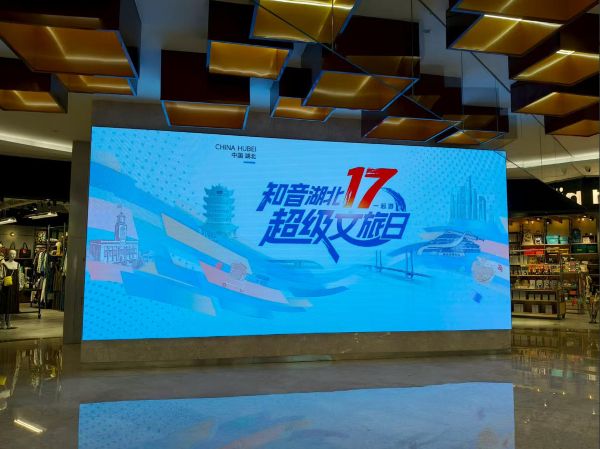
LED Screen, Zone A, B1 Floor, Wushang Dream Times
Technology makes life readily accessible
Area A on the basement level one serves as the sole core circulation route underground of the project. It seamlessly connects the direct access passage of Baotong Temple Metro Station, the trendy DREAM BOX block, a premium supermarket and Sony Central China Direct Store. This spot is a mandatory thoroughfare for 100% of all visitors including shopping consumers, commuters, self-driving tourists and cultural and leisure crowds.
Quote
¥2 W-4 WTips:It can match different media resources to generate quotation proposals and support downloading.
HOT
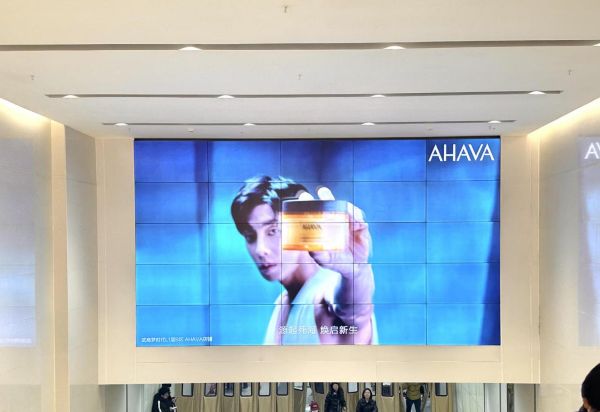
LED screens at Passage A and B of the subway on the B1 floor of Wushang Dream Times
Lead the Future with Intelligence, See Beyond the Horizon
The exclusive dual-channel LED media with subway connection at Wushang Dream Times. The two channels A and B are arranged in pairs in both directions, occupying all passenger entrances leading to the station of Baotong Temple Station on Metro Line 2. It is an extremely scarce and non-replicable pre-metro digital media resource within the commercial complex.
Quote
¥2 W-4 WTips:Matching various media resources to generate quotation proposals and support downloading

We have over decades of experience in developing outdoor advertising media placement strategies to drive brand success on a global scale.
Community Ads
Other Ads
Copyright © 北京杨氏天赐传媒有限公司 版权所有京ICP备2021000929号-7Sitemap广告投放
Links:
天赐传媒