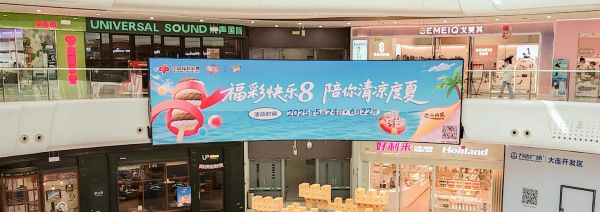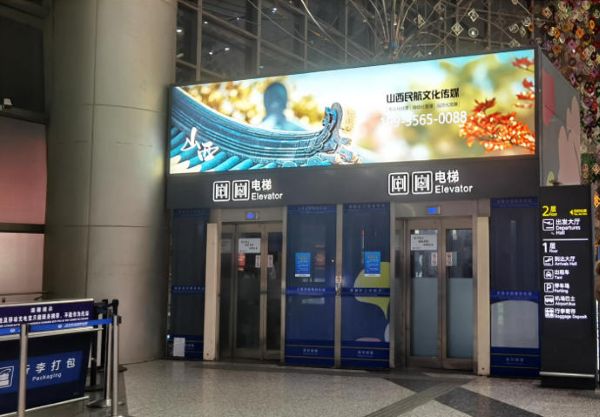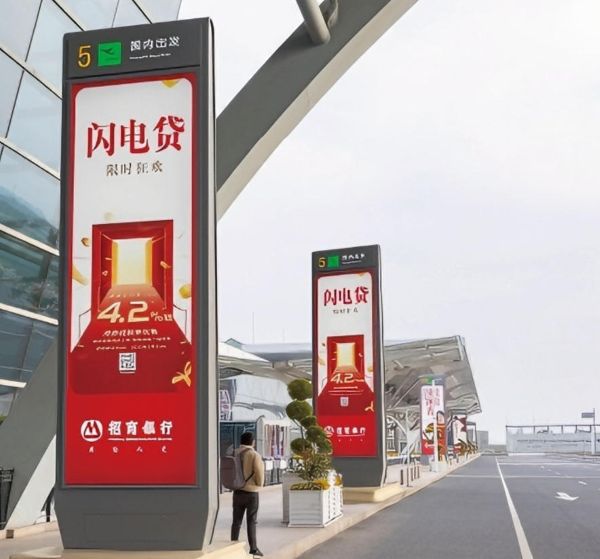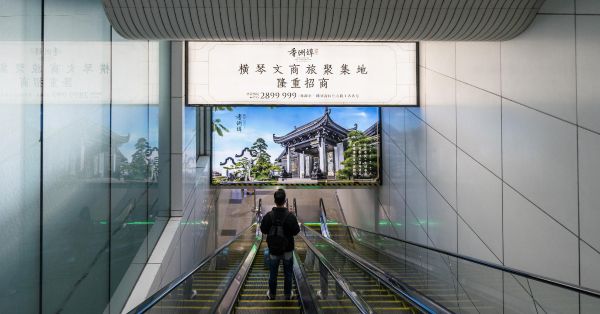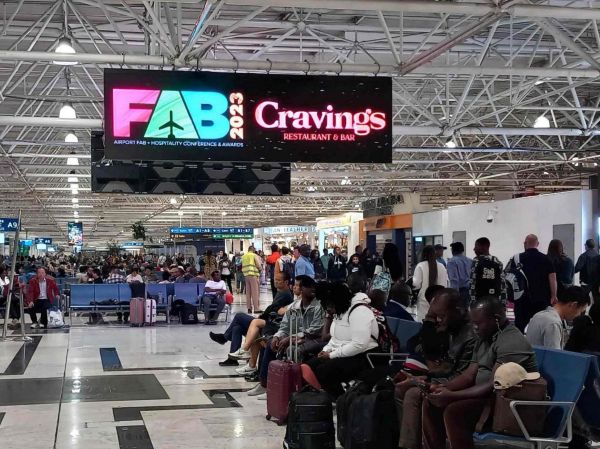
LED in the Duty-Free Shop Corridor, Departure Hall, Addis Ababa Bole International Airport, Ethiopia
Spot business opportunities as you look up, with nonstop excitement.

- Photos
- Specs
- Advantages
- Value
- Media Map
| Area:International | Type:airport | Frequency:648 |
| Address:Addis Ababa Bole International Airport | Format:led | Duration:10s |
| Location:Departure Hall Duty Free Shop Passage | Min Qty:1 | Operating Time:6-24o'clock |
| Size:3.84 m (W) x 1.10 m (H) | Min Period:month |
High-definition LED screens with lightweight hoisting structures are installed above the duty-free shop passages and atop the main corridors of the departure hall, suspended vertically or in an arc shape to ensure 360° visibility and avoid obstructing passenger circulation. Each single screen is approximately 3–5 meters long and 0.8–1.2 meters wide, with the spacing controlled within 15–20 meters. The duty-free shop passage serves as passengers’ final impulsive consumption zone, where visitors spend an average of 8–12 minutes, with consumption intention 2.3 times that in the arrival area.
Suspended overhead screens break the limitations of wall-mounted media. Advertising content can be clearly recognized from long distances forward and backward within the corridor, without being blocked by store shelves or pedestrians. Passengers travel bidirectionally between duty-free shops and boarding gates, exposing themselves to the advertising visuals twice during the round trip and achieving "double exposure on the return journey". Compared with wall light boxes and side-mounted screens, suspended LED displays deliver a stronger spatial presence. Dynamic visuals stand out prominently in commercial zones and quickly capture passengers’ attention.
After entering the duty-free zone and before boarding closure, passengers generally have 10–25 minutes of free time. They may browse and purchase duty-free goods or stroll slowly toward boarding gates without the pressure of rushing, resulting in more scattered and relaxed attention. This makes them more likely to notice surrounding advertising information voluntarily. The setting inherently boasts a strong consumption atmosphere and audiences with higher purchasing willingness. It suits brands related to premium wines and spirits, beauty and cosmetics, cross-border services, as well as business travel, offering a better environment for commercial conversion than ordinary transit corridors.
Boasting high-definition image quality and vibrant colors, it can instantly capture passengers’ attention. As a "master" of space management, its suspended design makes full use of the vertical space within the airport without occupying any ground area. In high-traffic zones such as departure halls and duty-free store corridors, the LED screens do not obstruct passenger flow while maintaining a spacious and bright environment, enabling brand messages to integrate seamlessly into passengers’ travel routes.
The locations fully cover outbound business travelers, cross-border transfer passengers, foreign investors visiting China, and tourist groups. When passengers walk through the duty-free precincts, they are both shopping and waiting for flights at a relaxed pace, allowing repeated exposure to the screens. Bordering duty-free shopping areas and connecting to all boarding zones, these screens reach all international departing passengers. Ideal for high-end consumer goods, finance, China-Africa investment promotion, and cultural tourism brands to disseminate international brand images, they constitute highly valuable immersive digital advertising spots along the outbound travel route.
These spots effectively complement the LED screens at arrival baggage carousels and arrival halls, jointly forming a comprehensive airport communication chain covering inbound arrival and outbound departure. Brands can adopt combined advertising placements to achieve continuous exposure to passengers from their arrival in East Africa to their departure. Long-term stable advertising helps strengthen brand recognition for businesses exploring the African market, making these core outbound media resources indispensable for developing the East African market and building a China-Africa cross-border communication matrix.