
- Photos
- Specs
- Advantages
- Value
- Media Map
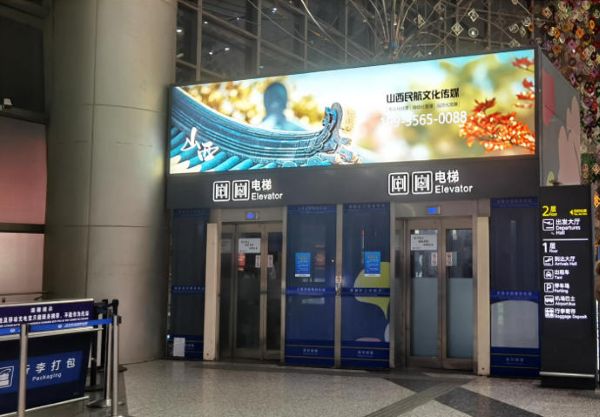
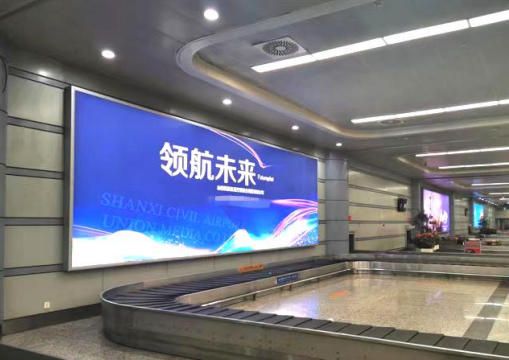
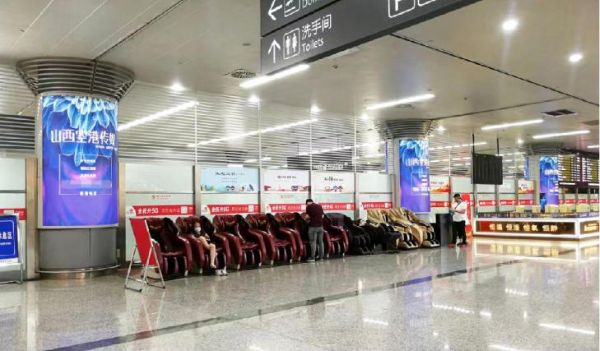
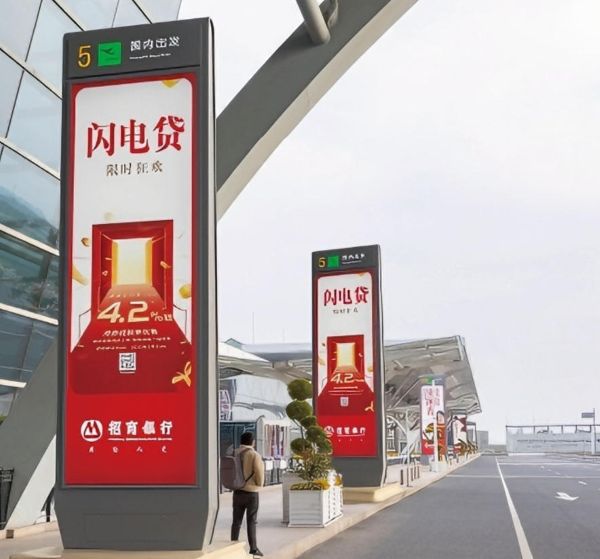
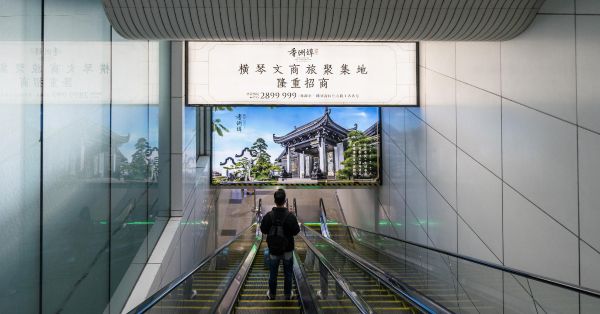
| Area:Taiyuan | Type:airport | Frequency:0 |
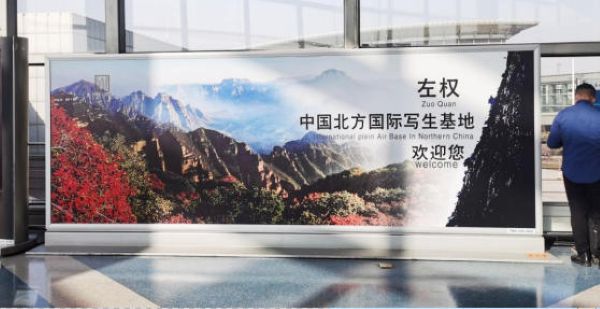
| Address:Taiyuan Wusu Airport | Format:Light box | Duration:0 |
| Location:Gate 7, Level 2, Terminal T2 | Min Qty:1 | Operating Time:0-24o'clock |
| Size:4.95×1.72 | Min Period:year |
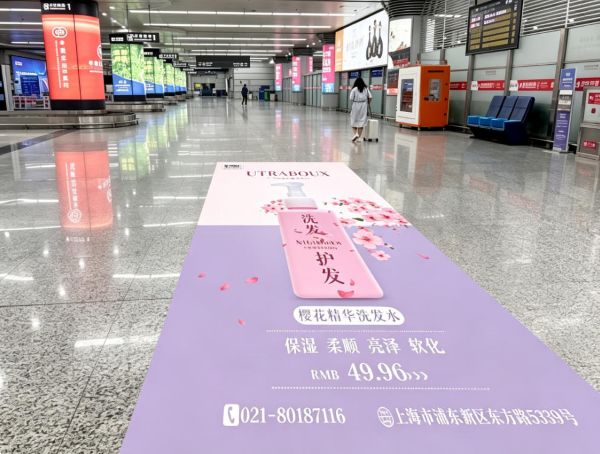
Designed to handle an annual passenger throughput of 12 million, Terminal T2 records a daily passenger volume exceeding 50,000 during the Spring Festival travel rush. The gate area serves as the final mandatory passenger flow route prior to departure. All passengers must pass by the light box location, enabling 100% forced visual coverage with no detours, evasions, obstructions or interferences. The advertising reach far outperforms conventional media in waiting lounges, creating a visual focal point and allowing brand messages to permeate naturally.
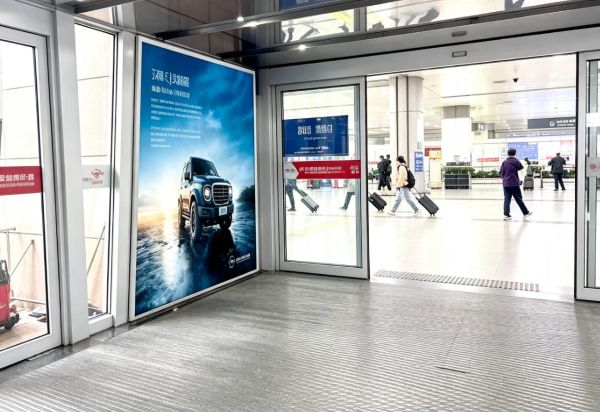
The advertising spot is situated in a one-way corridor after security check. 100% of passengers heading to Gate 7 pass this location without passenger flow diversion, granting it an inherent forced exposure advantage. Unlike passengers hurrying through the main hall, waiting passengers stay for an average of 30 to 90 minutes. In a relaxed state while waiting for flights, they are more susceptible to surrounding visuals, greatly improving advertisement recall.
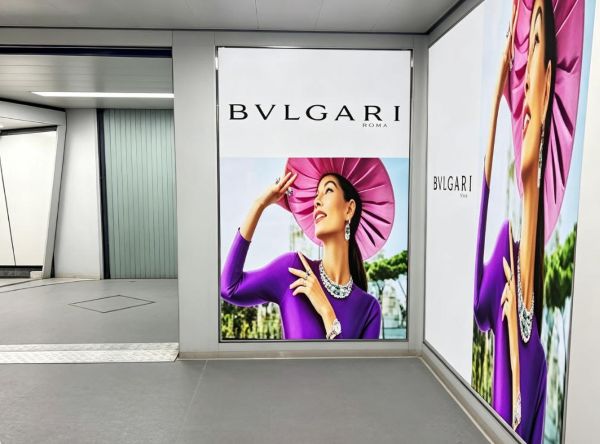
Installed on the side wall of the passage with unobstructed full visibility, the media boasts a large display area with exquisite and brightly colored visuals that deliver strong visual impact. It can quickly draw passengers’ gaze and command unavoidable visual contact. Before boarding, passengers are in a mental state of "waiting-relaxation-information reception", featuring significantly higher attention levels than at check-in or security screening zones. Sustained and extensive exposure to passengers during this period deepens brand impression.
This location allows ample communication duration. Repeated visibility of brand visuals greatly deepens audience brand impression, delivering more solid and long-lasting communication effects. Unlike the fast-moving crowds in the terminal lobby, passengers stay here for lengthy waiting periods before boarding. Passive viewing turns into active observation, effectively eliminating invalid exposure. The site features exclusivity and high scenario scarcity.
Media competition in the departure hall is fierce with highly mobile passenger flow, while passengers in arrival areas are eager to leave the terminal and only stay briefly. By contrast, the light box advertisements near boarding gates boast dual advantages of full passenger coverage and long dwell time, achieving markedly better effective reach efficiency than media in other terminal zones. Boarding Gate 7 has a mature air route network. It steadily accommodates business travelers on workdays and tourists during holidays, supporting stable annual total advertising exposure.
As Shanxi Province’s gateway aviation hub, the airport maintains an annual passenger throughput of tens of millions. The T2 Domestic Departure Area gathers high-value audiences including government and enterprise staff, business professionals and interprovincial tourists from across the province. Most audiences are aged 25 to 55, generally with steady income and consumption decision-making power — the core target group for automobile, cultural tourism and leading regional brands. The core strengths of this media lie in four dimensions: high-density passenger flow, mandatory exposure scenarios, precise audience reach, and long-term memory building.