- Photos
- Specs
- Advantages
- Value
- Media Map
| Area:Guangzhou | Type:airport | Frequency:0 |
| Address:Guangzhou Baiyun International Airport | Format:bulletin board | Duration:0 |
| Location:T1 Departure Main Building Departure Corridor | Min Qty:6 | Operating Time:0-24o'clock |
| Size:12.43×2.89 | Min Period:month |
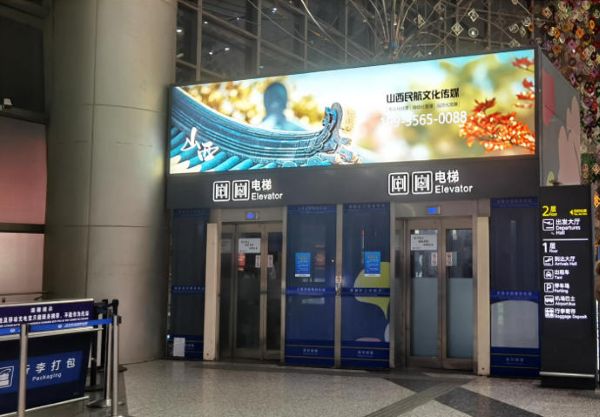
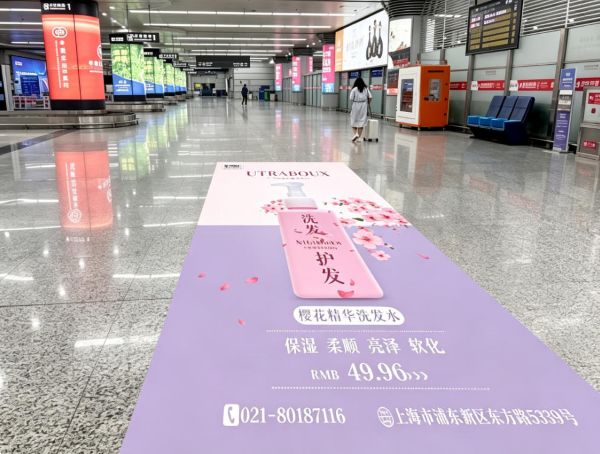
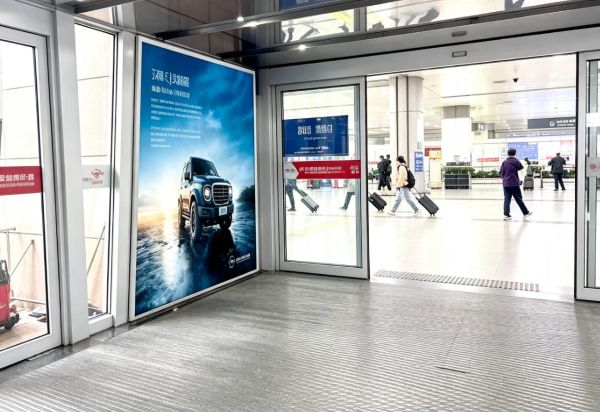
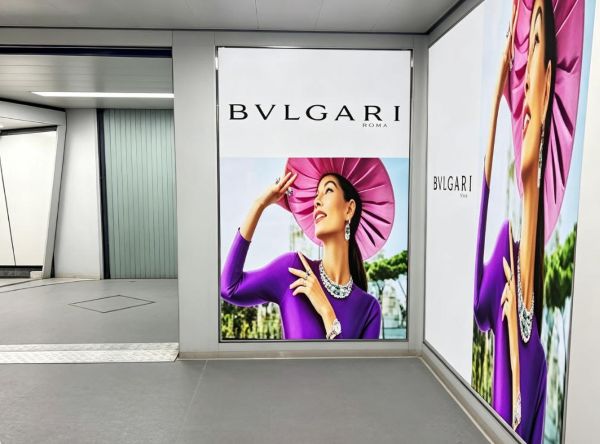
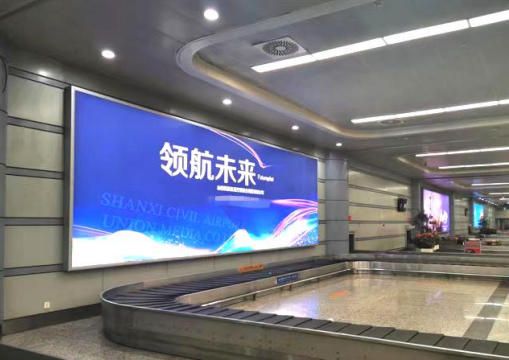
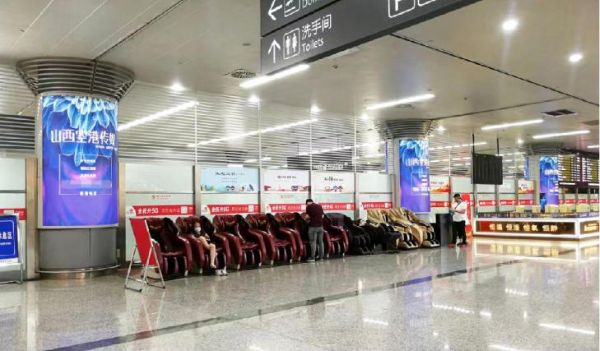
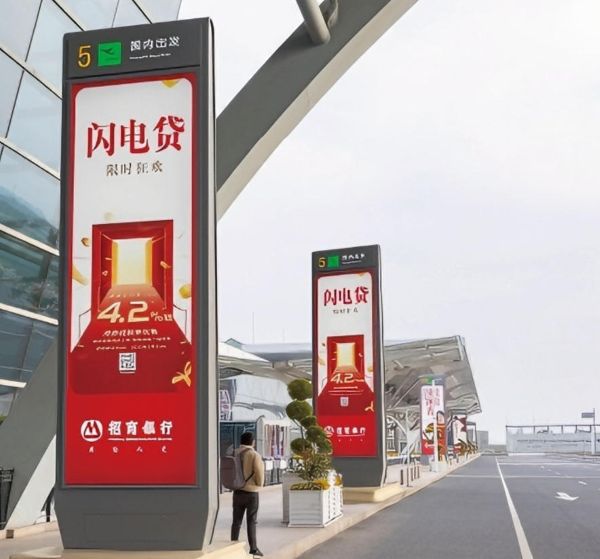
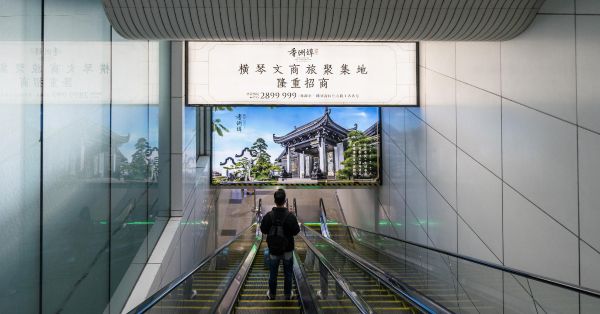
Billboards are mostly located in relatively open or enclosed areas such as check-in halls and corridors, where there is little advertising interference around, allowing brand messages to exclusively capture travelers' attention with high clarity. Large static billboards have large screen sizes, prominent installation locations, unobstructed views, and no detours, making them mandatory-view media. They are placed on the main departure passenger flow channels, with high daily passenger traffic, covering all airline passengers, ensuring high effective ad reach rates.
The package is concentrated in the core areas of the T1 departure main building's third-floor check-in hall/corridor, an essential pathway for all domestic/international departing passengers, with an effective reach rate of nearly 100% and no bypass possibility. It provides a high, open view covering the entire check-in hall with strong visual penetration.
The T1 departure corridor billboards do not exist in isolation but are deployed overall in a “package” form. The billboard screens are wide, installed at a medium height for easy recognition from a distance, suitable for prominently displaying brand imagery, thematic visuals, and core slogans. Travelers move at a steady pace in the corridor, with sufficient ad viewing time along the waiting lines before security, reinforcing brand impressions and significantly enhancing advertising reception efficiency and brand recall.
Billboards are high-reach, high-conversion, high-premium hub-level media assets, supporting long-term brand positioning and precise conversions with their three-dimensional value of 'traffic scale, passenger quality, and communication efficiency,' making them a preferred target for strategic advertising placements.
The billboards are arranged in a suite format with multiple points distributed coherently, covering bidirectional passenger flow. They are suitable for creating a unified brand image and can convey complete information through progressive visuals. Leveraging Baiyun Airport's hub status and large passenger base, brands can quickly enhance their influence in the South China region and precisely reach high-value travelers, making it an excellent choice for brand image display, market penetration, and value enhancement.
The corridors carry a massive flow of passengers, with business and leisure travelers highly concentrated, providing brands with stable and high-quality exposure scenarios. As large-format static airport billboards, the visuals are complete, with a wide field of view, unobstructed and low interference, allowing travelers to naturally receive brand information during their journey, with significant visual impact and memorability.
With the core advantages of native contextual integration, precise audience targeting, and long-term communication effectiveness, these billboards deeply integrate into travelers' journeys while leveraging the airport hub's high-end positioning and premium passenger flow to achieve efficient brand information reach and image enhancement. They are particularly suitable for brands seeking to strengthen a high-end image, ensuring that every exposure reaches the core audience that is 'capable of decision-making and willing to spend.'
The total number of terminal advertising spaces is limited and cannot be increased. The T1 departure corridor is a Grade-S core location. Airport billboards inherently carry 'high-end, international, authoritative' attributes, helping brands enhance their image and credibility, becoming a standard for brand communication, and are suitable for long-term holding and stable value appreciation.