In-Flight Advertising Without Getting Pulled - Airline Licensing, CAAC Approval & Cabin Safety
2026-08-11Tianci MediaViews:31
Highlights
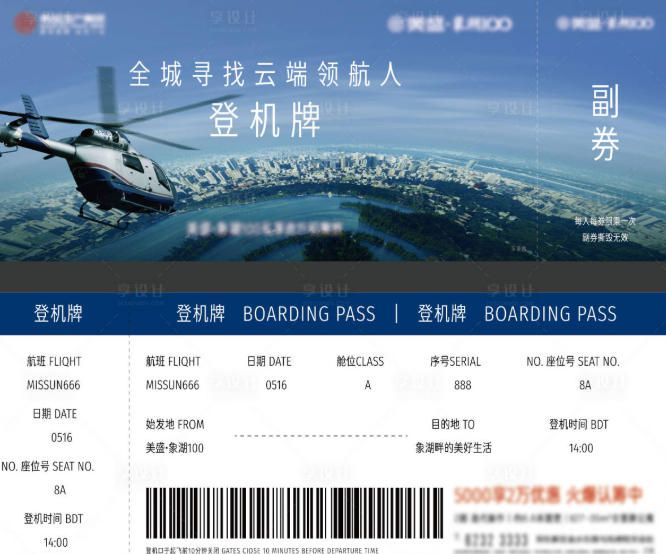
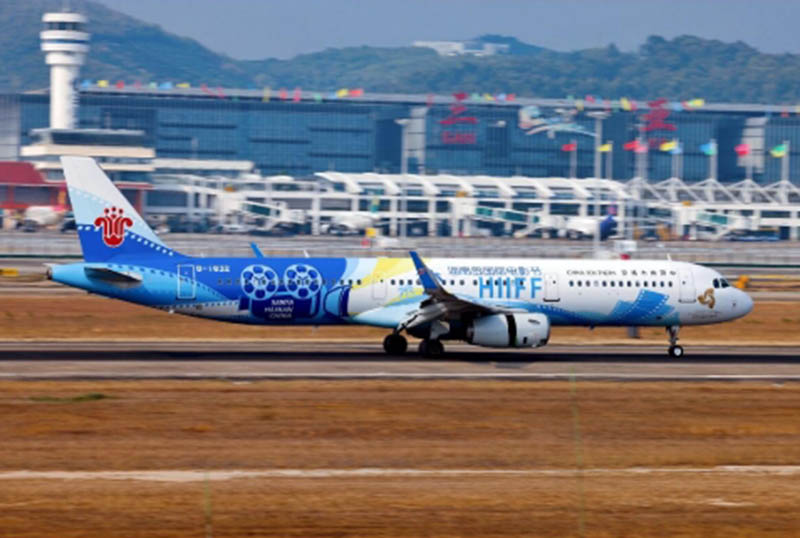
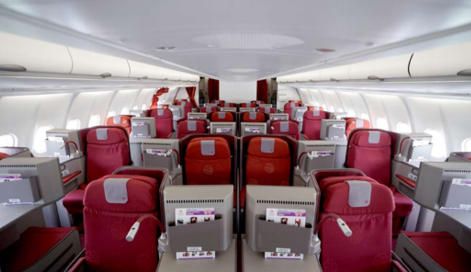
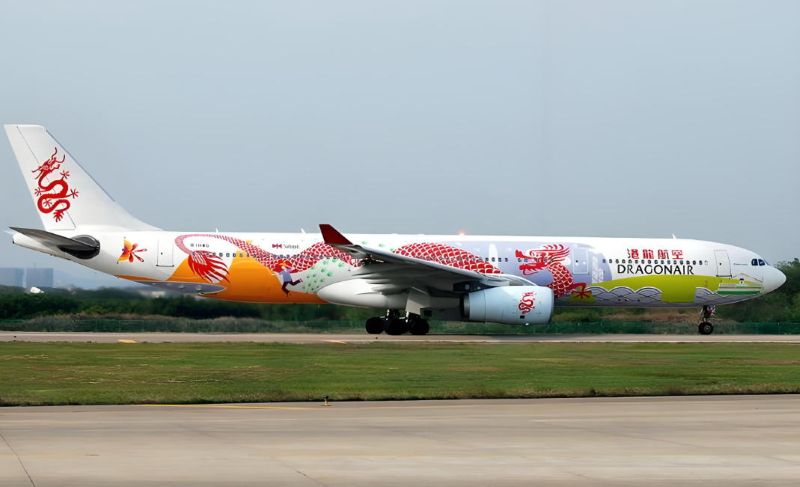
In-flight advertising means **cabin media** - seatback screens, tray-table skins, headrest covers, overhead-bin wraps, onboard magazines, boarding-pass ads, cabin Wi-Fi portals, and amenity sleeves. It is a completely different resource from "airport advertising" (terminal spectaculars, jet bridges, baggage claims). The authorizer for cabin media is the **airline**, with civil aviation authority (CAAC) and destination-law layers stacked on top. This guide focuses on cabin-media compliance so you clear the red lines before takeoff. Note: this is onboard cabin media, distinct from terminal media - the two are often run as a "pre-board + in-flight" relay.
1. Why in-flight advertising fails hardest on compliance
The cabin is the airline's private, enclosed space; any media needs the airline's written authorization and must not affect flight safety or cabin service. If you source "onboard inventory" from a non-airline channel, it is almost certainly fake or unauthorized. Gate one for in-flight advertising is the airline authorization chain and its aircraft/route scope.
2. Universal ad-law red lines still apply at altitude
Seatback screens, headrest covers, and boarding-pass ads all fall under advertising law - superlatives, false claims, comparative disparagement, and medical implications are prohibited, and because the audience is premium and the exposure concentrated, violations sting more.
3. In-flight-specific compliance: airline license, aviation safety, cross-border
- Airline authorization - require the media party's written airline authorization; confirm aircraft type, route, cabin, and campaign period.
- Aviation safety (CAAC) - materials must not impair seats, seatbelts, oxygen masks, or emergency exits; no strong reflection or flashing that distracts crew or passengers; no interference with cabin announcements or emergency indicators.
- Content safety - no content endangering flight safety, inciting, politically sensitive, or against public order.
- Cross-border routes - international routes must also meet destination-country laws and customs; foreign copy must be accurate and lawful.
Cabin Wi-Fi portal - digital media must meet data-security and personal-information rules.
4. Sensitive-industry access: what you can, cannot, and how
- Travel, duty-free, credit cards, destination promo - high-frequency cabin categories; keep price and flight info truthful.
- Beauty, watches, alcohol - allowed, but alcohol creative must not encourage immoderate drinking or show driving.
- Medical aesthetics, pharma - require ad-review approval and match approved copy; onboard review is stricter.
- Finance solicitation - no guaranteed-return promises.
Tobacco - banned in cabin and on mass media.
5. Creative compliance checklist (copy + visual)
① Superlatives cleared; ② airline authorization chain complete; ③ no impairment of seats/belts/emergency gear; ④ no strong reflection or flashing; ⑤ cross-border foreign copy compliant; ⑥ sensitive industry approval attached; ⑦ digital media meets personal-information rules. Submit a "cabin-safety draft" early for airline and aviation review.
6. Pre-launch compliance self-check
- Media party holds written airline authorization
- Aircraft/route/cabin within authorized scope
- Materials do not impair emergency or safety equipment
- No strong reflection or flashing distraction
- No political/safety-sensitive content
- Cross-border routes meet destination law
Sensitive industry approval attached
7. The cost of violation: refused carriage to terminated deal
Airlines can refuse carriage and remove violating content; serious violations can end the partnership and trigger liability; anything touching aviation safety may draw regulatory penalty. Cabin media's one-strike rule is harder than on the ground.
8. Five common compliance myths
- "Airplane ads = airport ads" - entirely different authorizers (airline vs airport).
- "Cabin screens are casual" - impairing safety gear means refused carriage.
- "Reuse Chinese copy on international routes" - must meet destination law.
- "Alcohol with a driving scene" - a high-risk cabin violation.
"Verbal authorization is enough" - must be in writing.
9. FAQ
Q: Are airplane and airport ads the same?
No. Airplane ads are cabin media authorized by the airline; airport ads are terminal media authorized by the airport - often run as a pre-board + in-flight relay.
Q: Does cabin media need CAAC approval?
Materials must meet civil-aviation safety rules; flight-safety content is vetted by the airline and aviation regulator.
Q: Do international routes need extra review?
Yes - meet destination-country laws and customs; foreign copy must be accurate and lawful.
Summary
For in-flight advertising, compliance gate one is the airline's written authorization; gate two is zero interference with aviation safety. Make the authorization chain, emergency-equipment clearance, and cross-border law unbreakable red lines, and the enclosed altitude traffic truly pays off for the brand.