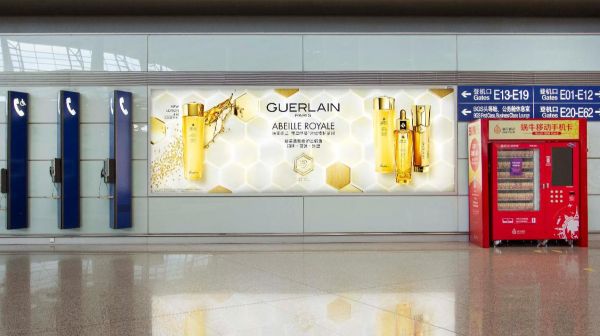
Airport Advertising Without Getting Pulled - Concessions, Security Zones & Aviation Compliance
2026-08-11Tianci MediaViews:40
Highlights
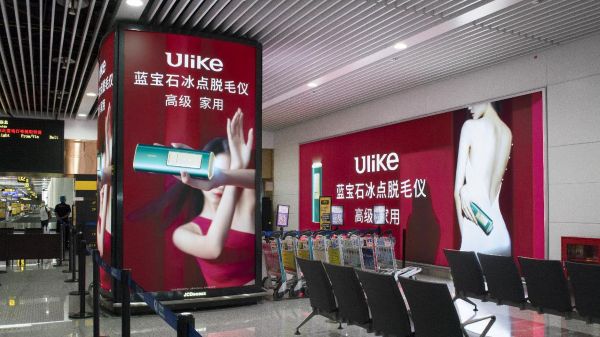
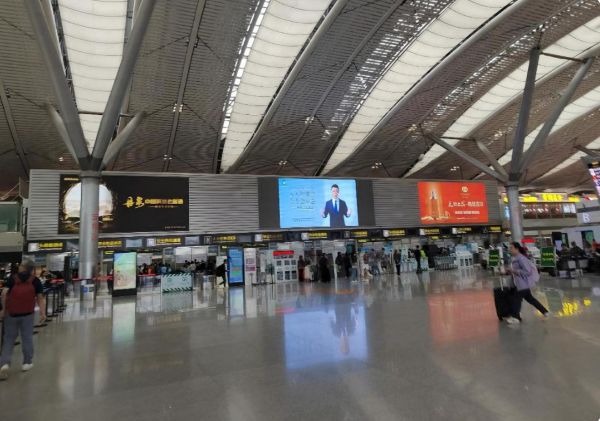
Airport advertising is the premium front line for high-end brands, but it also carries the highest compliance bar. Airport media generally run on a **concession** model and sit under civil aviation, customs, and city-appearance oversight at once. Terminal spectaculars, jet-bridge ads, baggage-claim wraps, check-in islands, and post-security media each have different authorizers and rules. This guide focuses on airport advertising compliance so you can tell who may sell, what may run, and how to stay clear of aviation-safety lines.
1. Why airport advertising fails hardest on compliance
Airport media are not freely operated. Hub airports typically award advertising resources through concession tenders, with contracts spelling out sites, terms, and content-review rights. If you buy a "cheap site" from a non-concession party, it is likely unauthorized and will be pulled on launch. Step one for airport advertising is confirming the media company holds a valid concession.
2. Universal ad-law red lines still apply
Airports are public spaces - superlatives, false claims, comparative disparagement, and medical implications are all prohibited. International hubs add rules: foreign copy must be accurate and free of expressions banned at the destination.
3. Airport-specific compliance: concession, security zones, aviation safety
- Concession qualification - ask the media company for the airport-granted advertising concession; confirm the site is within the authorized scope.
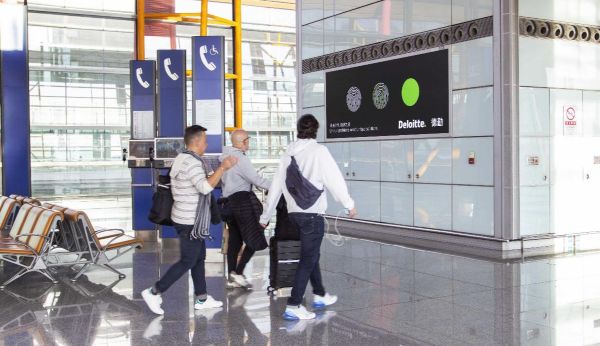
- Pre/post-security split - post-security (sterile area) audiences are boarding passengers; content control is stricter, and some sites near security or gates must follow airport operations scheduling.
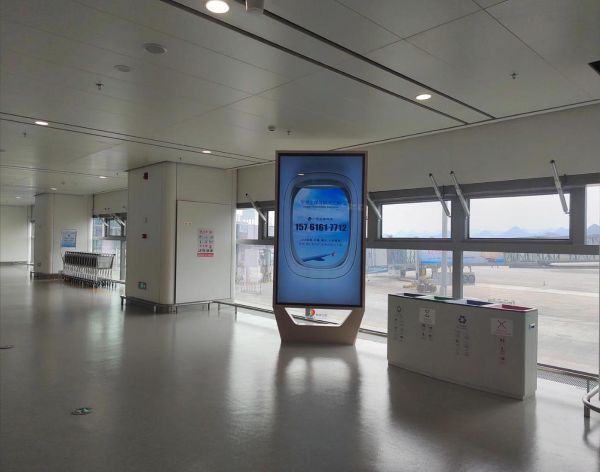
- Civil aviation safety - ad structures must not block signage, emergency routes, or flight-information screens, nor disrupt passenger flow or security order.
- Duty-free and customs - duty-free zone media involve customs supervision; cross-border brand creative must meet import/labeling rules.
Brand licensing - international brands, co-brands, and IP need a complete authorization chain.
4. Sensitive-industry access: what you can, cannot, and how
- Auto, watches, alcohol, beauty - common at airports, but alcohol creative must not encourage immoderate drinking or show driving.
- Travel/OTA/airlines - allowed; keep flight and price info truthful.
- Medical aesthetics, pharma - require ad-review approval; sterile-area review is stricter.
- Finance/credit cards - no guaranteed-return promises.
Tobacco - banned on mass media and airport public channels.
5. Creative compliance checklist (copy + visual)
① Superlatives cleared; ② foreign text compliant; ③ sensitive industry approval attached; ④ IP/brand authorization chain complete; ⑤ no blockage of flight info or emergency signs; ⑥ duty-free creative meets customs labeling. Airports usually run pre-publish content review - submit 7-10 days ahead.
6. Pre-launch compliance self-check
- Media company holds a valid airport concession
- Site is within authorized scope and not operationally occupied
- Copy passes superlative and foreign-language review
- Sensitive industry has ad-review approval attached
- Brand/IP authorization chain complete
- Structure does not block signage or emergency routes
Submitted within airport review lead time
7. The cost of violation: takedown to terminated partnership
Airports can pull violating content instantly and claim breach; concession contracts often carry a one-strike clause, and serious violations can cancel placement rights. For a premium brand, an airport violation is far more visible than on an ordinary channel.
8. Five common compliance myths
- "Airport sites are like outdoor" - the concession bar is entirely different.
- "Cheap site is a steal" - usually unauthorized.
- "Reuse HQ creative verbatim" - must comply with local and destination law.
- "Post-security is looser" - review is stricter.
"Verbal IP license" - must be in writing.
9. FAQ
Q: Does airport advertising need a concession?
Yes - hub airports typically award ad resources by concession tender; verify the media company's qualification first.
Q: What is special about sterile-area (post-security) ads?
Audiences are boarding passengers; content review is stricter and must follow airport operations scheduling.
Q: Do international brands need extra review?
Confirm the brand/IP authorization chain, and keep foreign copy compliant.
Summary
For airport advertising, compliance gate one is the concession; gate two is aviation safety and zoning rules. Clear qualification, authorization, and review lead times before signing, and premium traffic truly works for the brand.