China Airplane Advertising 2026: A Practical Guide for Brands
2026-07-16Tianci MediaViews:3
Highlights
You have a premium product, a strong brand story, and a decent marketing budget. But your ads are getting lost in the noise of social media feeds, blocked by ad blockers, or scrolled past in seconds. You need a channel that actually commands attention. That’s where airplane advertising comes in. China’s aviation market is massive—2025 saw 770 million passenger trips nationwide, with airport throughput hitting 1.53 billion. And inside that aircraft cabin? A captive audience with nowhere else to look. Let’s break down how this channel works and whether it fits your brand.
Why Airplane Advertising Works Differently
Most advertising channels compete for fragmented attention. Airplane advertising doesn’t. When passengers are sealed in a cabin at 35,000 feet, their phones are in airplane mode, emails aren’t loading, and the usual digital distractions are gone. What’s left? The seatback screen in front of them, the magazine in the pocket, and the environment around them. This isn't interruption marketing—it’s presence marketing. China’s inflight advertising market was valued at 8.06 billion yuan in 2025, and global projections show it hitting 72.98 billion yuan by 2032. The numbers tell you one thing: brands are betting big on this space.
The Main Formats: What You Can Actually Buy
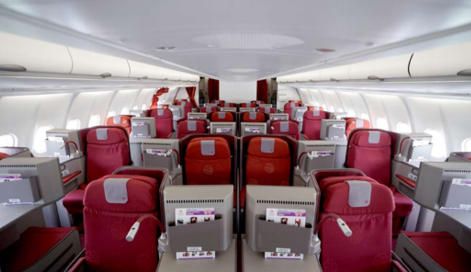
Onboard Smart Screen Advertising is probably the first thing that comes to mind. Those seatback entertainment systems run video ads that passengers can’t skip. Air China, for instance, operates AVOD systems across its Boeing and Airbus fleets, with ads playing before and after each program segment. The reach is consistent—every passenger on every equipped flight sees your message. Some carriers run these ads across thousands of screens network-wide.
Inflight Magazine Advertising offers a different kind of value. Passengers actually read these publications. The environment is quiet, the print quality is high, and the editorial content leans into travel, lifestyle, and business—exactly the context premium brands want to sit beside. Air China distributes Wings of China across all its domestic and international flights, reaching over 80 million passengers annually. A full-page ad in this kind of publication doesn't just get seen—it gets absorbed.
Aircraft Fuselage Advertising is the big one. A painted aircraft is a moving billboard that flies across cities, regions, and even countries. China Southern’s "Altay" livery plane, for example, turned an entire aircraft into a mobile tourism campaign for the Xinjiang region, flying major routes between Beijing, Shanghai, and Guangzhou. This format carries serious weight—both literally and metaphorically. Fuselage wraps signal brand ambition and visibility on a scale that few other mediums can match.
Other In-Cabin Placements include tray tables, headrest covers, boarding passes, and overhead bin stickers. These are smaller-ticket items but offer high-frequency exposure. Every passenger who unfolds their tray table, rests their head, or stows their bag sees your brand. It's the kind of ambient advertising that builds recognition without feeling pushy.
How Much Does It Actually Cost?
Here’s where things get real. Airplane advertising isn’t cheap, but the pricing varies wildly by format. Onboard entertainment system ads typically run 100,000 to 300,000 yuan per flight segment. Fuselage painting? That’s a different league—reports show costs ranging from 1.5 million to 5 million yuan per aircraft. Headrest covers and tray table ads are more accessible, with some carriers offering placements in the tens of thousands per month.
The key takeaway? This isn’t a channel for tiny budgets. But for brands that can afford it, the return comes from the audience quality. You're reaching business travelers, high-income consumers, and frequent flyers—people who actually have disposable income and decision-making power.
Who’s Already Doing It Right
Look around and you’ll see major players using airplane advertising strategically. China Southern teamed up with the Altay region to turn an entire aircraft into a flying tourism ad. Air China’s C919 campaign used a mix of inflight media, social content, and real-world events to build national pride around the new domestic jet. Even regional brands are getting in—one county-level government in Shaanxi province spent 600,000 yuan on a year-long headrest cover campaign across five aircraft. The common thread? They all understood that airplane advertising isn't about reach alone—it’s about context and credibility.
What’s Coming Next
The industry is evolving fast. Connected aircraft with Wi-Fi are opening doors for real-time, programmatic ad buying. Digital screens are getting smarter, and some carriers are experimenting with personalized content based on route and passenger data. The China airport advertising market alone is projected to hit 28.7 billion yuan by 2026. If you’re not thinking about airplane advertising now, your competitors probably are.
Want to dive deeper into specific airline media kits or compare costs across carriers? Check out our detailed breakdown of [China aviation advertising options] to find the right fit for your brand.