China Aircraft Advertising 2026: Market Data, Formats & Success Cases
2026-07-09Tianci MediaViews:49
Highlights
You have a premium product, and you know your target audience is constantly on the move. But here is the problem—most of them are glued to their phones, skipping ads, blocking pop-ups, and tuning out your message before it even lands. So where do you find them when they are actually paying attention? China aircraft advertising might be the answer you have been looking for. With passenger numbers climbing every year, this is one of the few spaces where your audience cannot escape your message.
The Market Is Bigger Than You Think
Let us start with the numbers, because they tell a pretty clear story. In 2025, China's civil aviation industry carried 770 million passengers, a 5.5% increase year-over-year and an all-time high. The country also became the world's largest aviation population market, with over 500 million air travelers. For 2026, the Civil Aviation Administration of China is targeting 810 million passenger trips. That is a lot of eyeballs at 35,000 feet.
On the advertising side, the global onboard advertising market was valued at RMB 30.8 billion in 2025, with China accounting for RMB 8.06 billion of that total. By 2032, the global market is projected to hit RMB 73 billion, growing at a compound annual rate of 13.12%. The Asia-Pacific in-flight retail advertising market alone is already valued at around USD 1.04 billion, with China, India, and Japan leading the charge.
Why In-Flight Media Works So Well
Here is the thing about flying—passengers are stuck. Not in a bad way, but in a way that actually works for advertisers. They are seated, relaxed, and not scrolling through social media. One industry study found that ads encountered during intercity travel, including flights, perform better in terms of attractiveness and trust. The environment itself gives your brand a quality boost.
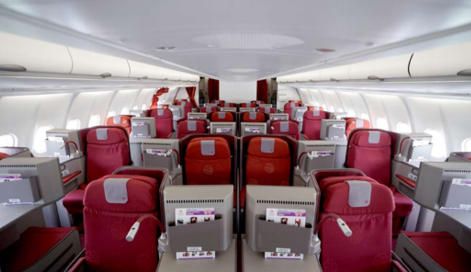
This is where in-flight media shines. Whether it is a seatback screen, a headrest cover, or a magazine, these formats enjoy long dwell times and high recall rates. And because air travel carries a premium association, your brand benefits from that perception by default.
Key Formats for Your Campaign
So what are your options when it comes to China aircraft advertising投放?
Onboard Smart Screen Advertising is probably the most exciting format right now. Take China Southern Airlines, for example. As of 2025, the airline operates about 238 aircraft equipped with AVOD (Audio Video on Demand) systems, totaling over 29,000 screens. These screens deliver video content with an effective viewership rate exceeding 95%. That means almost every passenger watching actually sees your ad. Onboard smart screen advertising gives you dynamic, full-motion content that print simply cannot match.
Seat Headrest Covers are another heavy hitter. Positioned right in passengers' line of sight, these ads are hard to miss. Pricing varies by airline—China Eastern charges RMB 300,000 per year for headrest ads on 200+ seat aircraft, while China Southern charges RMB 380,000 for wide-body aircraft. Not cheap, but the exposure is massive.
In-Flight Magazines still hold their ground. Passengers actually flip through them during the flight, giving your ad extended dwell time that digital platforms can only dream of.
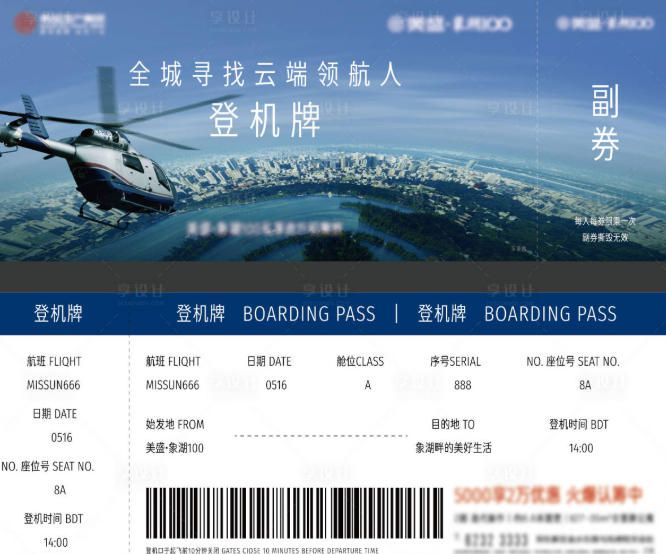
Boarding Pass Ads offer targeted reach. During the 2025 China Brand Festival, China Southern distributed 500,000 branded boarding passes on flights to Guangzhou and Shenzhen. At roughly RMB 1 per pass for bulk orders, it is a cost-effective way to get in front of travelers.
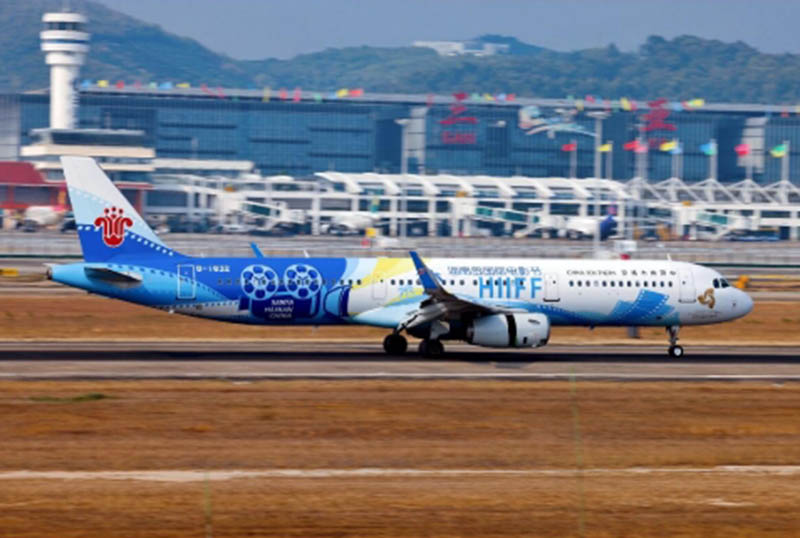
Aircraft Fuselage Painting is the big one. These flying billboards travel across the country, generating brand exposure that is hard to quantify. The "Altay" painted aircraft launched by China Southern turned a regional tourism brand into a national icon. Costs for fuselage painting range from RMB 5 million to RMB 25 million depending on the scope.
Real Brands Are Already Doing It
This is not theory—brands are putting real money into China aircraft advertising. In 2025, the China National Aviation Materials Group partnered with Xiamen Airlines on a RMB 600,000 seat headrest campaign promoting regional products like "Baishui Apple" and "Baishui Dukang," projected to reach 3.5 million passengers across five aircraft.
The "Xing'anling Shang Xing'anmeng" branded aircraft launched in October 2025 covers 22 provinces, 75 airports, and 100 routes. That is a mobile billboard flying across the country for months.
Even the tech giants have jumped in. At Beijing Capital Airport, companies like Alibaba Cloud, China Mobile, and Baidu Cloud have saturated terminal spaces with massive ad campaigns. One industry insider estimated Alibaba Cloud's airport spend alone at over RMB 100 million.
Where Things Are Headed
The industry is moving toward smarter, more interactive solutions. AI and AR technologies are starting to appear in airport and onboard advertising. The rise of in-flight Wi-Fi is opening new possibilities for targeted, measurable campaigns. Industry experts are calling for a shift from "resource-driven" to "technology and value dual-driven" development.
China's aircraft advertising market is poised for continued growth. With passenger numbers projected to hit 810 million in 2026 and the market expanding at double-digit rates, the opportunity is clear.
Getting Started
Whether you are a luxury brand, a tourism board, or a consumer goods company, China aircraft advertising offers unmatched access to high-value consumers. The key is picking the right mix of formats and working with partners who know the space.
Want to dive deeper into specific campaign options and costs? Contact Tianci Media to get the latest resources and quotations.