China Aircraft Advertising Guide 2026: Inflight Media, Smart Screens & Magazine Ads
2026-07-13Tianci MediaViews:63
Highlights
Many brands pour budgets into digital ads but forget one place where their audience is literally stuck with nowhere to go—30,000 feet in the air. China aircraft advertising is quietly becoming one of the most effective ways to reach high-income travelers in a distraction-free environment. Unlike social media feeds that users scroll past in seconds, airplane cabins offer a captive audience that actually looks at what's in front of them. If you're still ignoring this channel, you might be leaving serious money on the table.
Why Aircraft Advertising Works Differently
The biggest advantage of China aircraft advertising placement is simple: passengers can't escape it. Once the cabin doors close, there's no Wi-Fi (on most flights), no phone signal, and nowhere to go. That means every ad placement—whether it's on a screen, a magazine, or a tray table—gets real attention. Industry data shows that ad recall rates in flight are significantly higher than on the ground, with passengers spending an average of two hours in a closed environment where their eyes naturally land on whatever is in front of them.
Onboard Smart Screen Advertising: The Digital Frontier
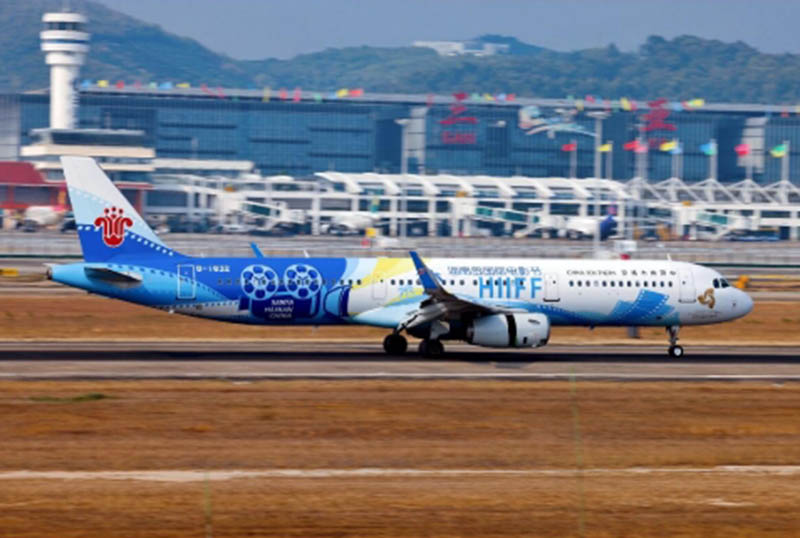
Onboard smart screen advertising is probably the most exciting development in this space right now. Airlines like Air China, China Eastern, and China Southern have been rolling out seatback entertainment systems that double as advertising platforms. These AVOD (Audio-Video on Demand) screens let brands run video ads that passengers can't skip—they play before movies, between shows, and even as screensaver content. Some carriers are also testing interactive features where passengers can click through to get more info or even make purchases mid-flight. With actual viewership rates above 80% on these systems, it's hard to argue with the numbers.
The Classic Three-Piece Set: Tray Table, Headrest, and Luggage Bin
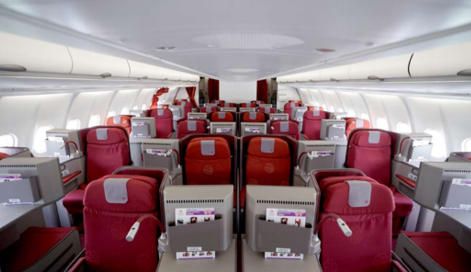
If you're looking for something more traditional but still highly effective, the tray table, headrest, and luggage bin three-piece set is where it's at. This combo covers three key moments in every passenger's journey. First, they look up to store their bags in the luggage bin—boom, your brand is right there. Then they sit down and lean back against the headrest—another placement right at eye level. Finally, they pull down the tray table for meals or work—that's your third touchpoint. Studies show that on a typical two-hour flight, the average passenger sees these ads at least five times, and brand recall jumps by 70% compared to single-medium campaigns. Not bad for something that's been around for decades.
Inflight Magazines: Still Relevant in a Digital World
You might think print is dead, but inflight magazines tell a different story. Airlines like China Southern publish magazines that reach over 10 million readers per issue. These aren't just thrown away either—passengers actually read them during flights, especially on longer routes. The audience is premium too: business travelers, luxury shoppers, and frequent flyers who have money to spend. Ad placements range from full-page spreads to covers, and many airlines offer bundled packages that combine magazine ads with other media for extra impact.
How to Get Started with China Aircraft Advertising
So how do you actually pull the trigger on China aircraft advertising? The first step is figuring out which format fits your goals. If you want broad awareness and high-frequency exposure, the three-piece set (tray table, headrest, luggage bin) is cost-effective and hard to miss. If you're after engagement and storytelling, onboard smart screens give you video and interactivity. And if your audience is older or more traditional, inflight magazines still deliver excellent reach among premium demographics.
What's Next for This Industry
The China aircraft advertising market is growing fast. In 2025, China's inflight advertising market hit 8.06 billion yuan, and global projections show continued expansion through the next decade. New technologies like onboard Wi-Fi are opening up even more ad inventory, from login pages to banner ads within airline apps. At the same time, airlines are getting smarter about targeting—they know who's on board, where they're going, and what kind of traveler they are. That means ads can be more relevant, which means better results for brands.
Whether you're a luxury brand trying to reach business class flyers or a consumer product looking for mass exposure, China aircraft advertising placement offers something few other channels can: a guaranteed audience that actually pays attention. The cabin is quiet, the views are limited, and your ad is right there in front of them. That's a combination worth investing in.
Looking for more ways to maximize your brand's reach? Check out our other guides on out-of-home advertising and digital marketing strategies for the Chinese market.