China Airplane Advertising 2026: How Brands Are Reaching Travelers at 30,000 Feet
2026-07-12Tianci MediaViews:56
Highlights
If you're a marketer looking to break through the noise, you've probably realized that traditional digital channels are getting crowded. Click-through rates are dropping, ad costs are climbing, and audiences are tuning out. That's exactly why more brands are turning to China airplane advertising as a fresh way to connect with hard-to-reach consumers. The numbers tell the story. In 2025, the global in-flight advertising services market was valued at US$621 million and is projected to hit US$1.73 billion by 2034, growing at over 12% annually. China alone accounted for RMB 8.06 billion of the global in-flight ad market in 2025. With over 1.46 billion passengers passing through Chinese airports in 2024—up nearly 16% from the previous year—the audience is massive and growing fast. For brands that want to stand out, Chinese airplane advertising offers something you just can't get anywhere else: a captive audience with time to spare.
Why In-Flight Advertising Works Better Than You Think
Here's the thing about flying—passengers are stuck. Not in a bad way, but in a way that makes them pay attention. The average domestic flight runs about 2.5 hours, and during that time, there's virtually no channel competition. No phone scrolling (well, less of it), no social media feeds, no email pinging every five seconds. Just you, the seatback screen, and whatever's in front of you.
China airplane advertising taps into this unique moment. The cabin environment is quiet, focused, and premium. As the China Advertising Association points out, airports and aircraft gather high-net-worth, high-decision-making audiences—the kind of consumers every brand wants to reach. Whether you're selling luxury goods, financial services, or travel experiences, you're talking to people who actually have money to spend.
The Main Channels for China Airplane Advertising
So what are your options when it comes to Chinese airplane advertising? There's a lot more than you might think.
Inflight Smart Screens: The Digital Frontier
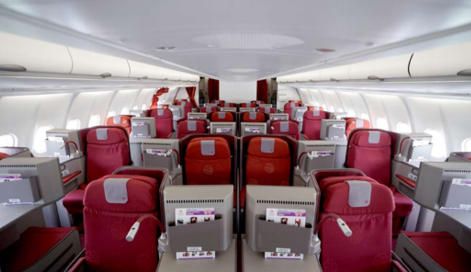
In-flight smart screen advertisements has become one of the hottest formats in recent years. We're talking about the seatback entertainment screens, overhead displays, and even those handrail screens that passengers interact with throughout the flight. China Southern Airlines alone operates nearly 30,000 screens across its fleet. That's a lot of eyeballs.
What makes inflight digital screen advertising so effective? It's interactive. Passengers can watch video ads, click through to learn more, and even make purchases directly from the screen. Some systems use DSP algorithms to deliver targeted ads based on passenger profiles—think personalized offers for business travelers versus leisure flyers. The technology is getting smarter, and brands are taking notice.
Inflight Magazines: The Classic That Still Delivers
Don't sleep on in-flight magazine. In an era of digital overload, there's something refreshing about a well-designed print magazine. China's major airlines all publish their own inflight titles—Air China's Wings of China, China Eastern's Connections, China Southern's Gateway—and they reach millions of passengers every month.
Here's the kicker: inflight magazines are what industry folks call "forced media." Passengers can't easily skip the ads like they do on YouTube. The magazine is right there in the seat pocket, and with nothing else to do, people actually flip through it. For brands that want to make a lasting impression with high-quality visuals and storytelling, China inflight magazine advertising remains a powerhouse.
Beyond Screens and Magazines: The Full Menu
China airplane advertising isn't limited to just two formats. The full suite of In-flight media options includes:
Seat headrest covers – visible to every passenger, every flight
Tray table ads – literally in front of the passenger's face during meal service
Overhead bin wraps – hard to miss when stowing luggage
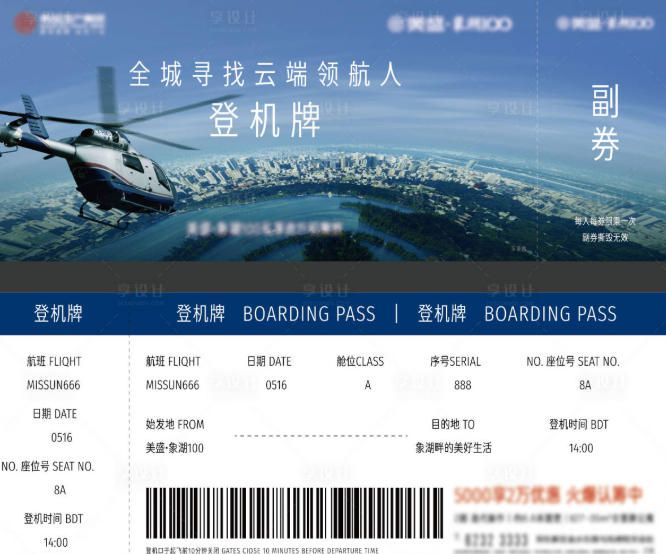
Boarding pass ads – the last thing passengers see before boarding
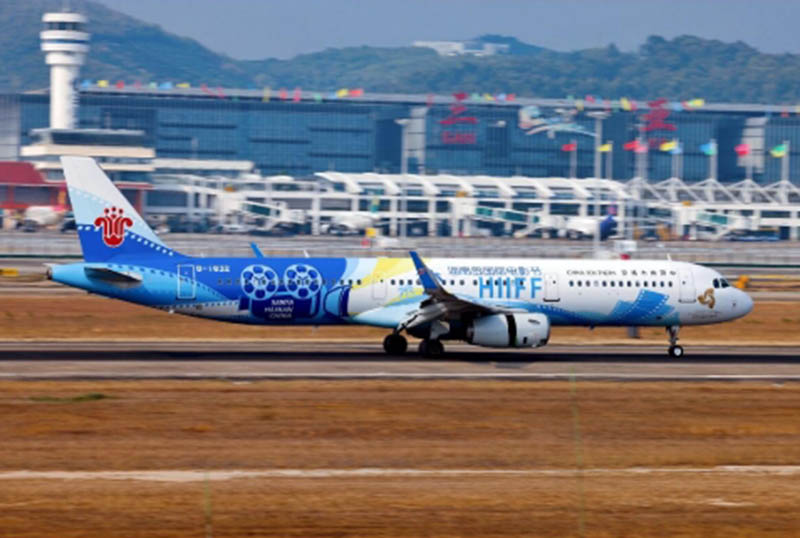
Fuselage branding – those giant colorful airplane wraps that turn jets into flying billboards
Inflight Wi-Fi ads – targeted digital ads delivered through the onboard network
Each format has its own strengths. Headrest covers offer high visibility at a relatively low cost. Fuselage wraps deliver massive brand impact across entire airport tarmacs. Inflight advertising is really about choosing the right mix for your campaign goals.
How to Plan Your China Airplane Advertising Campaign
If you're new to Chinese airplane advertising, here's a practical way to think about it.
Start with your audience. Who are you trying to reach? Business travelers on weekday flights? Families heading to tourist destinations? Different routes and times attract different demographics. Work with media agencies that specialize in aviation—companies like Shangzhou Media, which has partnerships with all three major Chinese carriers (Air China, China Eastern, China Southern) plus regional airlines. They know which flights carry which audiences.
Mix your formats. A single-channel approach rarely maximizes impact. Combine In-flight smart screen advertisement for dynamic video content with Inflight Magazine for deeper brand storytelling. Add seat headrest covers for frequency and boarding pass ads for a final touchpoint right before the passenger exits. The brands getting the best results are the ones thinking holistically.
Measure what matters. In-flight advertising has traditionally been harder to track than digital ads, but that's changing. Smart screen systems can now report engagement metrics. QR codes and custom landing pages let you track response rates from print and physical ads. The key is setting clear objectives upfront—are you building brand awareness, driving website visits, or generating direct sales?
What's Next for China Airplane Advertising?
The industry is moving fast. The China Advertising Association notes that the sector is shifting toward standardization, technology integration, and value creation. AI and AR are starting to appear in airport and in-flight environments, creating more immersive ad experiences. Programmatic buying for in-flight inventory is on the horizon, which would make China airplane advertising as easy to buy as Google Ads.
Meanwhile, the market is recovering from the pandemic slump. China's airport advertising revenue hit RMB 9.57 billion in 2024 and is expected to climb to RMB 10.45 billion in 2025. With more planes in the sky and more passengers in the seats, the trajectory is clear: Chinese airplane advertising is a growth story worth paying attention to.
Final Thoughts
China airplane advertising isn't just about putting your logo on a plane. It's about reaching a premium audience in an environment where they're actually paying attention. Whether through In-flight smart screen advertisements, in-flight magazines, or any of the other Inflight media options available, the opportunity is real and growing.
If you're ready to explore China airplane advertising launch for your brand, start by talking to specialized aviation media agencies. They can walk you through the options, the costs, and the creative considerations. The sky really is the limit.
Looking to dive deeper into Chinese advertising channels? Check out our [complete guide to out-of-home advertising in China] for more strategies to reach high-value audiences across the country.