China Aircraft Advertising in 2026: The Complete Guide to In-Flight Media and Smart Screen Campaigns
2026-07-11Tianci MediaViews:45
Highlights
If you're a brand marketer looking to break through the noise, you already know the struggle. Traditional digital ads get ignored, outdoor billboards blend into the background, and social media algorithms keep changing the rules. That's exactly why more and more brands are turning to China aircraft advertising as their secret weapon for premium audience reach. Think about it—when was the last time you had a captive audience sitting still for hours, with nowhere else to look and no phone signal to scroll through? That's the magic of in-flight media.
Why China Aircraft Advertising Works Differently
The math is pretty simple. A plane is a closed space. Passengers are strapped in, screens are right in front of their faces, and there's no escape hatch. Unlike a billboard on a highway that people zoom past in three seconds, an aircraft ad has your audience locked in for the entire flight. And we're not talking about small numbers here. China's机上广告 market hit 8.059 billion yuan in 2025, with global projections hitting 72.98 billion yuan by 2032 at a CAGR of 13.12%. That's serious growth, and it's happening because brands are finally waking up to what aviation media can deliver.
The Many Faces of In-Flight Media
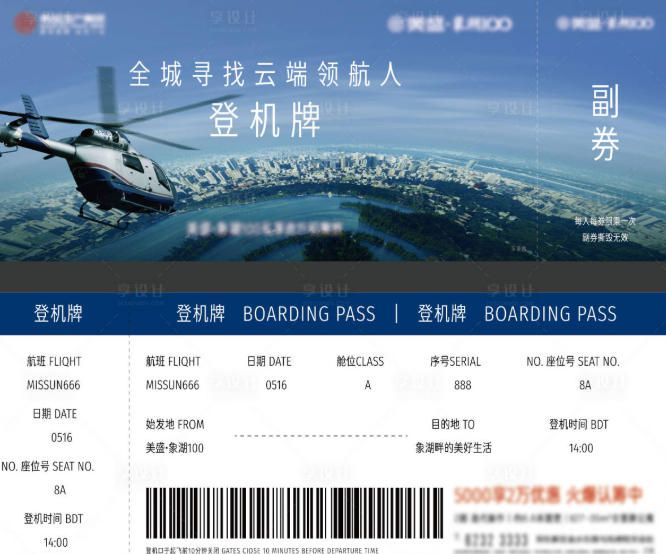
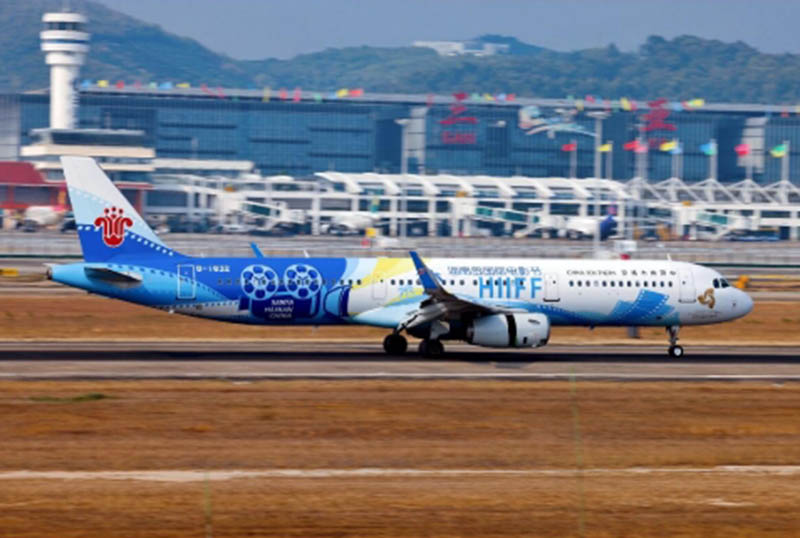
So what exactly can you put your brand on? The list keeps growing.机身彩绘 turns an entire plane into a moving billboard—Hunan Airlines's "Jiugui Liquor Aircraft" is a great example of a full-aircraft makeover that turns heads at every airport it visits. Then you've got seat headrest covers, tray tables, overhead bins, boarding passes, and inflight magazines. China Southern alone runs over 670 aircraft with more than 29,000 screens across its fleet. That's a lot of eyeballs.
Onboard Smart Screen Advertising: The Game Changer
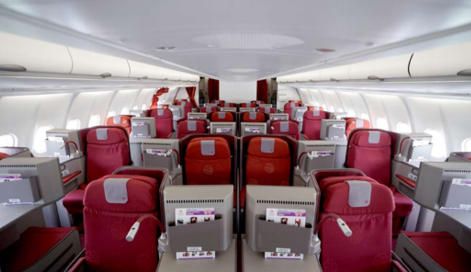
Let's get real about onboard smart screen advertising because this is where the action is. Shenzhen Airlines runs over 6,800 TV screens across all its flights. Air China hits about 36,000 screens per month across 173 aircraft, reaching roughly 3 million passengers monthly. China Eastern offers two tiers—standard inflight TV that hits every flight at least once, and AVOD systems that auto-load ads before and after every single video, giving you multiple exposures per passenger. And here's the kicker: effective viewership rates on these screens hit over 95%. Compare that to your average YouTube ad completion rate and tell me which one looks better.
Who's Actually Doing This Well
Real brands are already cashing in. Whitewater City partnered with Xiamen Airlines on a seat headrest campaign across five aircraft, spending 600,000 yuan to reach an estimated 3.5 million passengers over one year. That's less than 0.2 yuan per impression for a captive, premium audience. China Southern also ran a 500,000-piece boarding pass campaign for the 2025 China Brand Festival, proving that even smaller-format media can generate serious buzz. The takeaway? China aircraft advertising isn't some futuristic concept—it's happening right now, and the brands that get in early are the ones winning.
What's Coming Next in China Aircraft Advertising
The industry is moving fast toward Digitalization and programmatic buying. Airlines are integrating AI and big data to target passengers more precisely. China Southern's parent company already runs digital media platforms across its entire ecosystem. Some carriers are even testing interactive smart screens that let passengers engage with ads in real time. And with inflight Wi-Fi becoming standard, the line between onboard media and digital advertising is blurring fast.
Bottom Line
If you're serious about reaching China's high-value travelers—business executives, luxury shoppers, frequent flyers—Chinese aircraft advertisement is one of the most underrated channels out there. The audience is captive, the environment is premium, and the ROI numbers are starting to speak for themselves. Whether you go with onboard smart screen advertising, seatback video, or a full aircraft wrap, the key is getting started before your competitors figure it out.