Airplane Advertising in China – Which Format Gives You the Best ROI?
2026-07-14Tianci MediaViews:49
Highlights
Every marketer I talk to these days is tired of watching their digital budget disappear into thin air. You run a beautiful campaign, but the click‑through rate is dismal, and you have no idea if anyone even noticed your brand. Out‑of‑home billboards? They’re big, but people walk past without a second glance. That’s why a growing number of brands are shifting their focus to airplane advertising – a channel where your audience literally cannot look away. When you’re flying at 30,000 feet, there’s no Wi‑Fi (or patchy at best), no escape from your seat, and plenty of time to actually absorb a message. The question isn’t whether you should use it – it’s which format fits your goals and budget.
In‑Flight Smart Screen Advertising – The Digital Sweet Spot
Let’s start with the format that gets the most buzz right now: in‑flight smart screen advertising. Those seatback monitors that passengers use for movies, flight maps, and destination content have become premium digital inventory. Airlines like China Southern operate more than 670 aircraft with nearly 30,000 screens across their fleet – that’s a massive network of captive eyeballs. What makes this channel special is the context. Passengers are in a relaxed, entertainment‑seeking mood, and they actively choose to interact with the screen. Video ads on these platforms consistently achieve completion rates above 80% – a number that most online video platforms can only dream of. For brands targeting business travelers, this is pure gold because you can run targeted messages based on route, time of day, and even passenger class.
Fuselage Advertising – Making a Statement That Flies Everywhere
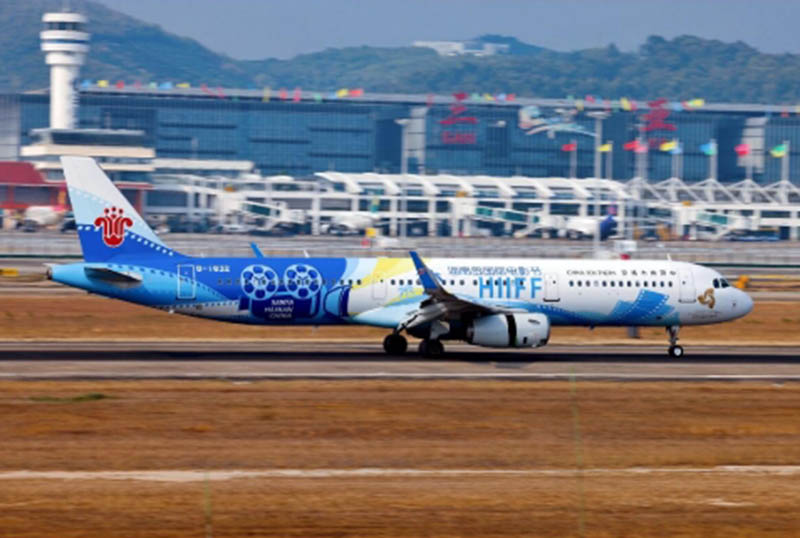
If you have a bigger budget and want to turn heads on the ground as well as in the air, fuselage advertising is your answer. Imagine your brand’s logo wrapped around an actual aircraft, parked at busy terminals or taxiing past hundreds of passengers every day. It’s not just an ad – it’s a moving landmark. Take the recent “Aletai” campaign where a China Southern Boeing 737 was wrapped in 52 winter colors to promote Xinjiang tourism – that plane now flies between Beijing, Shanghai, and Guangzhou, creating millions of impressions every month. Or consider the “Mixue Bingcheng” ice cream brand that turned a Hainan Airlines jet into a flying billboard. Yes, fuselage advertising isn’t cheap – full wraps can run from 12 to 25 million RMB per aircraft annually – but for luxury goods, tourism boards, or major consumer brands, the prestige and long‑term visibility often justify the cost.
In‑Flight Magazine Advertising – Old School, Still Effective
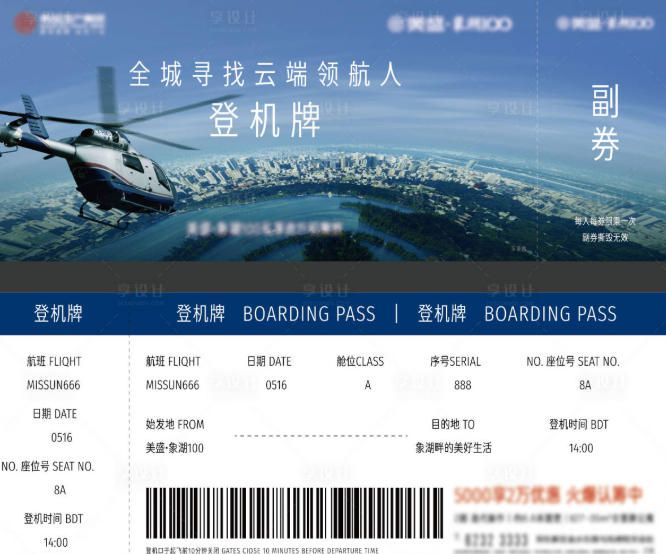
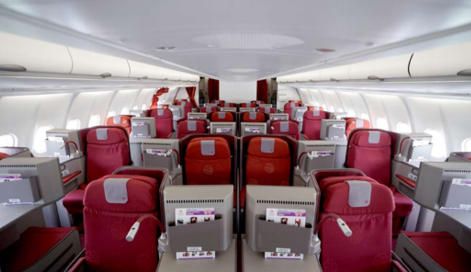
Sometimes the simplest option works best, and in‑flight magazine advertising proves that every single flight. These glossy publications sit in every seatback pocket, and passengers actually read them – especially on longer trips when phones run low on battery or data signals drop. The environment is distraction‑free, and the magazine’s own editorial credibility rubs off on your advertisement. Major carriers like China Eastern and China Southern publish monthly magazines with circulation numbers in the millions, reaching a demographic that’s wealthier and more educated than average. Beyond magazines, you have tray‑table ads that sit inches from passengers’ faces during meal service, headrest covers, overhead bin wraps, and even boarding passes – all part of the broader onboard media ecosystem.
Real Brand Success Stories You Can Learn From
Numbers don’t lie, and brands are putting serious money behind these formats. In 2025 alone, a campaign worth 600,000 RMB placed regional agricultural brands on seat headrests across five aircraft, projected to reach over 3.5 million travelers. Another example: the “Heitu Youpin” brand ran synchronized campaigns across airport LED screens at Shanghai Hongqiao, Guangzhou Baiyun, and Shenzhen Bao’an, plus tray‑table placements on multiple flights – achieving a combined reach of over 10 million impressions. Even government tourism boards are investing heavily – Hainan province recently announced a dedicated budget for in‑flight video and headrest advertising targeting international visitors. When both corporations and state agencies are betting on airplane advertising, you know the channel has real traction.
How to Choose the Right Format for Your Brand
So which one should you pick? Start with your objective. If you want precise targeting and measurable engagement, in‑flight smart screen advertising gives you the best data and flexibility. If you need massive brand awareness and prestige, fuselage wraps are unmatched – but they require a long‑term commitment and a large budget. If you’re on a tighter budget but still want to reach premium travelers, in‑flight magazines and tray tables offer affordable entry points. Many brands actually combine two or three formats – for example, a fuselage wrap for visibility, plus smart screen ads for direct response, and a magazine spread for storytelling. The key is to test and measure, because the audience at 30,000 feet is valuable, and you want to make every impression count.
The Future of Airplane Advertising in China
Looking ahead, this space is evolving fast. Programmatic buying is gradually entering connected aircraft, allowing brands to purchase smart‑screen inventory through automated platforms, just like they do with digital ads. Personalization is another big trend – airlines are starting to use passenger data (with privacy safeguards) to serve more relevant ads based on travel purpose, age, and even destination. According to industry forecasts, the global in‑flight advertising market could grow from about $620 million in 2025 to over $1.7 billion by 2034, with China leading much of that expansion. With domestic air passenger throughput reaching 1.46 billion in 2024 – a 16% year‑over‑year increase – the audience pool for airplane advertising is only getting deeper. Whether you’re a luxury brand, a regional tourism office, or a consumer goods giant, the sky is genuinely the limit.