Airplane Advertising: The Complete Guide to Reaching Travelers in the Sky
2026-07-03Tianci MediaViews:80
Highlights
Airplane advertising has emerged as one of the most powerful channels for brands seeking to reach high-value travelers in a distraction-free environment. The global in-flight advertising services market was valued at USD 621 million in 2025 and is projected to reach USD 1.74 billion by 2034, growing at a CAGR of 12.1%. With millions of passengers traveling daily, aircraft provide an advertising medium that combines prestige, captive attention, and global reach. This guide covers everything you need to know about airplane advertising—from in-flight formats to aerial banners—and how to launch effective campaigns.
What Is Airplane Advertising?
Airplane advertising encompasses two distinct categories: in-flight advertising (ads experienced by passengers during air travel) and aerial advertising (banners towed behind aircraft over outdoor venues). Both leverage the unique context of aviation to deliver memorable brand messages.
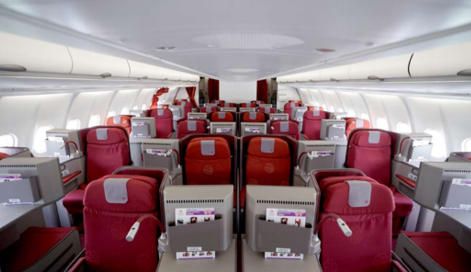
In-flight advertising places your brand directly in front of airline passengers through seatback entertainment systems, onboard Wi-Fi portals, and printed airline magazines. With average domestic flight dwell times exceeding 2.5 hours and virtually zero channel-switching, in-flight media delivers the highest attention span of any out-of-home format.
Aerial advertising, by contrast, uses single-engine aircraft to tow large custom banners—typically 30 to 100 feet long—over beaches, stadiums, festivals, and city centers. These banners are visible from miles away and can generate 100,000 to 350,000 impressions per two-hour flight.
Key Airplane Advertising Formats
1. In-Flight Entertainment (IFE) Video Ads
IFE video ads appear as pre-roll or mid-roll spots on seatback screens and airline streaming apps. Passengers actively choose entertainment content, creating a lean-back, theater-like viewing context that enhances ad recall. Studies show that passengers viewing ads in flight demonstrate 8% higher emotional engagement compared to viewing the same creative on the ground. The effect is most pronounced in the first 10 seconds, where emotional engagement spikes 12% higher. IFE video advertising typically costs $15–$40 CPM.
2. Wi-Fi & Digital Portal Ads
As airlines invest in connected cabin technologies, Wi-Fi captive portal advertising has become a rapidly growing format. These digital display ads appear on passenger devices during login, browsing, and streaming activities. They offer device-level targeting, route-specific geo-targeting, and real-time performance measurement. Wi-Fi digital ads are the most cost-effective in-flight format at $8–$25 CPM.
3. Airline Magazine Ads
Printed airline magazines remain a premium advertising vehicle, distributed to every seat and often kept as souvenirs. Passengers engage with inflight magazines for extended periods, providing deeper brand storytelling opportunities. Magazine advertising typically costs $20–$50 per-page CPM equivalent. Many airlines now offer digital magazine expansions across inflight entertainment systems and airport lounges.
4. Aerial Banner Advertising
Airplane banner towing is the most established form of aerial advertising. A small aircraft tows a printed banner displaying a brand name, promotional message, or URL in bold lettering. Banners typically cost $1,200 to $3,800 per flight, with a single-day campaign in major markets like Los Angeles or Miami running $7,000–$9,000 including ferry fees, flight time, and production. The CPM for aerial banners ranges from $0.50 to $3, making it one of the most cost-efficient mass-reach formats available.
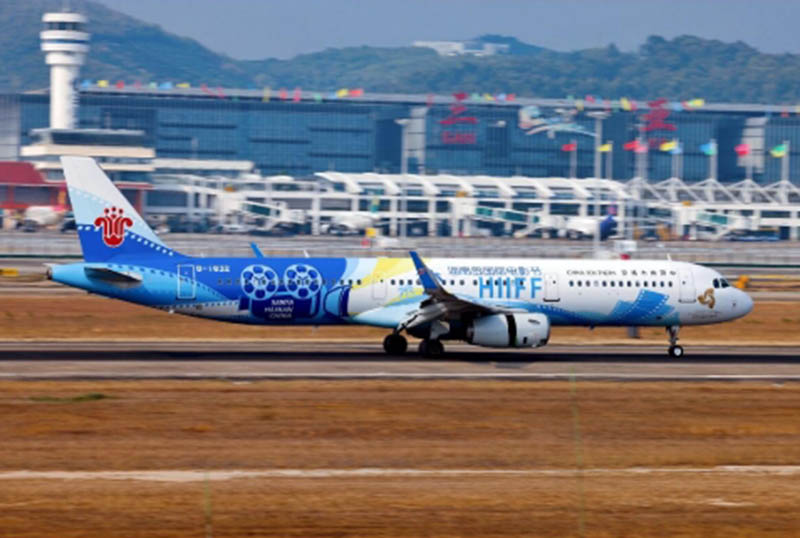
5. Aircraft Exterior Wraps & Full Fuselage Branding
For long-term campaigns, full aircraft exterior wraps deliver massive, unmissable visibility. When a branded aircraft lands, taxis, or takes off at any airport, it inevitably attracts the attention of passengers, visitors, and airport employees. These moving billboards generate earned media as travelers and airport visitors share photos on social media.
Why Advertisers Choose Airplane Advertising
Captive, High-Attention Audiences
The airplane cabin is one of the few environments where consumers cannot scroll past, skip, or tune out advertising. With average flight times of over two hours and limited distractions, passengers are fully engaged with available content. In-flight advertising delivers 30% higher brand recall than ground-based ads, driven by heightened emotional engagement at 30,000 feet.
Affluent Traveler Profiles
Airline passengers are disproportionately high-value consumers. Business travelers and frequent flyers index high on household income, travel spend, and luxury purchase intent. Airport settings concentrate high-net-worth, high-decision-power audiences in a封闭 environment, creating a premium advertising context that traditional media cannot replicate.
Route & Destination Targeting
Unlike most out-of-home media, in-flight advertising allows route-level targeting—brands can serve ads only on flights into specific markets. Tourism boards, regional retailers, and event promoters can precisely reach travelers arriving at their destinations. When brands target passengers flying into specific cities, they observe increased web traffic and conversions in those locations.
Full-Funnel Flexibility
Advertisers can combine multiple airplane advertising formats for maximum impact—pair a 30-second IFE pre-roll with a Wi-Fi portal takeover and a magazine spread. Digital formats report impressions, completion rates, and click-throughs, while brand-lift studies quantify awareness and favorability gains.
Measuring Campaign Effectiveness
Digital in-flight advertising formats provide robust measurement capabilities including:
Completion rates for IFE video ads (typically 85–95%)
Click-through rates and impressions for Wi-Fi portal ads
Brand recall lift studies showing 30% improvement over ground-based advertising
ROAS tracking—campaigns have delivered 3.5x+ returns on ad spend
GPS-verified flight paths for aerial banner campaigns
Launching an Airplane Advertising Campaign
Define your objectives – Awareness, brand lift, or direct response?
Select your format(s) – IFE video, Wi-Fi digital, magazine print, aerial banner, or exterior wrap
Identify target routes or markets – Route-level targeting maximizes relevance
Develop creative assets – Keep aerial banner copy short (six words or fewer); optimize video for the first 10 seconds
Launch and monitor – Digital formats provide real-time performance data
The Bottom Line
Airplane advertising combines the prestige of aviation with measurable, high-return marketing impact. Whether through in-flight digital screens, seatback magazines, Wi-Fi portals, or aerial banners overhead, aircraft advertising reaches affluent, captive audiences at scale. With the market projected to grow at double-digit rates through 2034, now is the time for brands to take their advertising to new heights.