In-Flight Advertising: Tell a Destination Story Inside the Cabin
2026-08-28Tianci MediaViews:5
Highlights
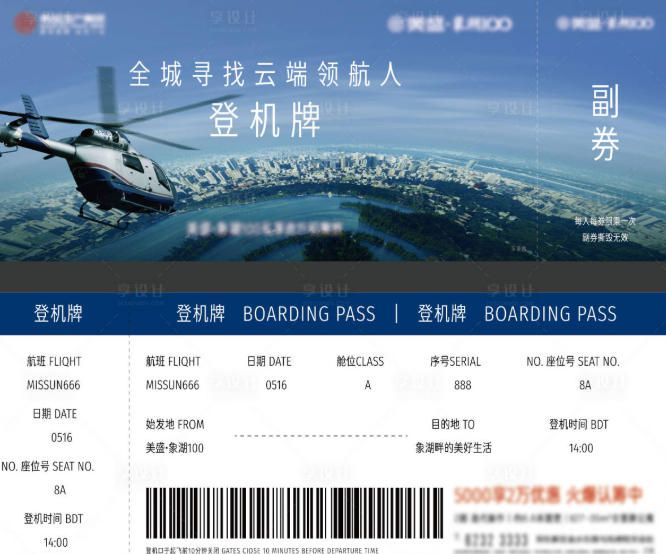
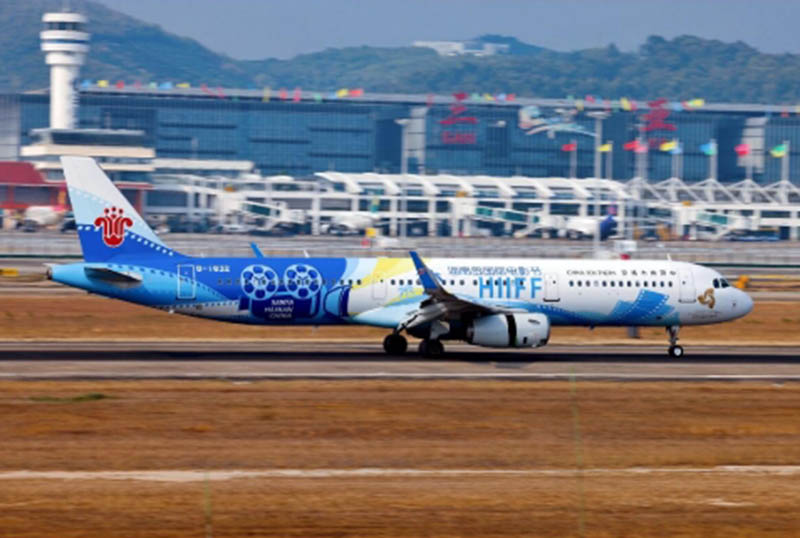
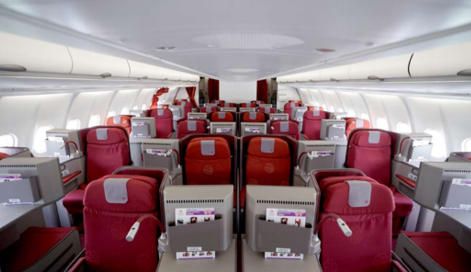
In-flight advertising here means cabin media—seat-back screens, tray tables, headrest covers, window decals, boarding passes, and onboard magazines—not the airport terminal (which belongs to "airport advertising"). The cabin is the most enclosed, captive space in media: passengers are airborne for hours, phones limited, attention unusually open. This article reframes in-flight advertising from an "exclusive exposure slot" into a "destination-culture interface." Using route culture and captive companionship, brands become part of the journey's memory. It forms a "two-stage relay" with airport advertising: the terminal certifies premium city identity, the cabin delivers exclusive companionship.
1. Why In-Flight Advertising Should Move From "Captive Exposure" to "Destination Narrative"
Cabin passengers differ from any ground audience: phone-restricted, attention with nowhere to escape, and highly receptive to new information while in a "from one place to another" transitional state. A brand saying only "we are number one" wastes the scene; a brand saying "welcome to a city that packs sea breeze into its nights" turns the ad into a journey prelude. The premium of in-flight advertising is using the cabin's exclusive companionship to weave the brand into destination imagination.
2. The Unique "Local-Culture Interface" of Cabin Media
The cultural interface of in-flight advertising is the route destination: first, exclusive companionship—almost the only readable medium during hours of enclosure; second, the destination prelude, where seat-back screens and magazines are the first window into the place ahead; third, route personality, where different routes (business / leisure / visiting family) carry different cultural moods. Understand route attributes, and cabin media becomes "part of the trip," not a forced insertion.
3. Matching Route Character With Media Tone
Different routes have different characters. Business routes are efficient and elite—favor restrained premium expression. Leisure routes are relaxed and aspirational—favor destination-landscape narrative. Family-visit routes are warm and earthly—favor intimate local copy. Before in-flight advertising, study the route's "passenger script": where they go, why, and with what mood, so the content can catch it.
4. Localized Storytelling: Festivals, Dialects, Landmarks
First, destination festivals: align with the route's local tourism seasons or shopping periods. Second, local welcome lines: use destination dialect or slogan as hooks. Third, landmark dialogue: echo the imagined view beyond the window with destination imagery. The localization of in-flight advertising lets travelers "enter the story before landing," embedding the brand into destination anticipation.
5. Industry-Specific Local Tactics
Travel & OTA: use the cabin as a destination trailer to spark itinerary spending.
Duty-free & retail: appear as "a gift for the journey," capturing duty-free and arrival shopping.
Credit cards & membership: borrow premium routes for an "elite travels with you" identity narrative.
Destination tourism: tell the city's story through route culture as an aerial invitation.
Each industry's in-flight advertising uses captive companionship for premium positioning.
6. Airline Co-Creation and UGC
Partner with airlines on a "my destination story" image campaign, putting travelers' footage of cities onto seat-back screens or onboard magazines. The brand as sponsor gains a "understands travel" halo. In-flight advertising thus upgrades from "I show, you watch" to a joint curation by airline and brand.
7. Measuring Cultural Reach and Brand Favorability
Beyond captive impressions, in-flight advertising should track:
(1) premium association—lift in "premium/trustworthy" linkage;
(2) destination association—brand binding with route cities;
(3) visits & spend—post-launch destination store visits or duty-free conversion;
(4) social volume—traveler check-ins and shares. The return of exclusive companionship lives in "journey memory."
8. Five Creative Principles for Cabin Resonance
In-flight advertising works best when it follows five principles. First, respect the captive state—offer value, not intrusion, during the enclosed hours, because a tired flyer resents hard selling. Second, open the destination, using the cabin as a window into the place ahead so the ad becomes part of the trip. Third, match the route mood, tailoring tone to business efficiency, leisure aspiration, or family warmth. Fourth, co-create with the airline, aligning with onboard programming and crew moments for authenticity. Fifth, extend the journey, carrying the narrative from boarding through arrival so the memory lands with the traveler. These principles make cabin media a welcomed companion rather than forced reading.
9. Common Mistakes
Mistake one: treating the cabin as the "only readable item" and cramming long copy.
Mistake two: uniform buy ignoring route difference.
Mistake three: not borrowing destination culture, going solo.
Mistake four: ignoring airline authorization and aviation-safety approval. In-flight advertising usually fails on "captive without narrative."
10. FAQ
Q: What is the difference between in-flight and airport advertising?
Airport is terminal public space; in-flight is cabin-exclusive media. They relay across the whole journey.
Q: What qualifications does cabin media need?
Written airline authorization plus civil-aviation safety and content approval—plan compliance early.
Q: Can a small budget do in-flight advertising?
Yes—focus on a single popular route or one aircraft type's seat-back rotator to reach high-net-worth flyers precisely.
Summary
The next stage of in-flight advertising is moving from "captive exposure" to "destination-narrative companionship." When you let a brand become the prelude inside the cabin, it earns not one impression, but an aerial memory travelers carry to the destination.