China Inflight Media Advertising: The Untapped “Attention Tax” on High-Net-Worth Travelers
2026-07-02Tianci MediaViews:33
Highlights
For years, brands chasing China’s high-net-worth consumers have fought over the same crowded channels—social media feeds, search engine results, and airport terminals. Yet they have consistently overlooked one of the most valuable advertising real estates in the world: the aircraft cabin itself. While airport advertising has long been recognized as a premium channel, the media environment inside the plane represents a fundamentally different value proposition—one that deserves to be understood on its own terms.
The “Attention Tax” of the Aircraft Cabin
The core advantage of inflight media advertising is not merely about reach—it is about captivity. When a passenger steps onto an aircraft, they enter a sealed environment with limited distractions, no mobile data (in most cases), and an average of two to four hours of uninterrupted time. This is not passive exposure; it is a form of “attention tax” that passengers willingly pay in exchange for the journey itself.
Unlike outdoor billboards that pedestrians glance at for seconds, or social media ads that users scroll past in milliseconds, inflight advertising benefits from a unique psychological state. Passengers are relaxed, seated, and receptive—yet not fully occupied. The aircraft cabin offers what media planners call “dwell time with intent”: passengers are present, undistracted by the outside world, and open to content that adds value to their journey.
Beyond the Airport: The Missed Opportunity
The distinction between airport media and inflight media is crucial, yet frequently blurred in marketing discussions. Airport advertising—whether on digital screens, light boxes, or baggage claim carousels—captures travelers in transit. They are rushing, distracted, and focused on logistics. The airport is a space of movement.
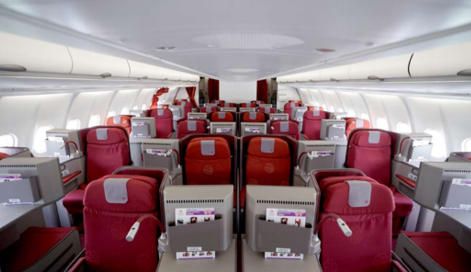
The aircraft cabin, by contrast, is a space of stillness. Once the seatbelt sign turns off, passengers settle into a rhythm. They eat, they read, they watch, they rest. This is the moment when brand messaging can transition from interruption to integration. A headrest cover is not just a fabric panel—it is the first thing a passenger sees upon sitting down. A tray table is not just a surface—it is an intimate space where passengers spend up to five hours per flight. An inflight magazine is not just reading material—it is one of the few print publications that high-net-worth individuals still engage with cover to cover.
The Digital Frontier of Inflight Media
The inflight advertising landscape is undergoing a significant transformation. As Chinese airlines upgrade their onboard Wi-Fi systems, a new generation of digital advertising opportunities is emerging. Platforms now open premium inventory including homepage interfaces, main page banners, and core traffic nodes to brand partners. This shift from static to dynamic media allows for real-time content optimization, interactive campaigns, and measurable engagement metrics—all within the same captive environment.
What makes this particularly compelling is the quality of the audience. China’s aviation passenger base is disproportionately composed of business elites, high-income professionals, and international travelers—demographics that are notoriously difficult to reach through mass media. These are individuals with high purchasing power, short decision-making windows, and elevated aesthetic standards. They do not passively accept advertising; they actively filter for value. Inflight media, when executed with sophistication, can meet that standard.
Strategic Considerations for Inflight Media Investment
For brands considering entry into China’s inflight media space, several strategic principles apply. First, route precision matters more than blanket coverage. A business-class-heavy route between Beijing and Shanghai delivers a fundamentally different audience than a leisure route to Sanya. Second, format selection should align with engagement intent: headrest covers offer near-100% visibility, tray tables provide creative canvas, and digital screens enable interactivity. Third, content must respect the context—passengers are not in a shopping mindset; they are in a travel mindset. The most effective inflight advertising does not interrupt the journey; it enhances it.
The Professional Partner Advantage
Navigating China’s inflight media ecosystem requires more than a media budget—it demands deep relationships with airlines, an understanding of aviation regulations, and access to a diverse portfolio of onboard formats. This is where specialized expertise becomes indispensable.
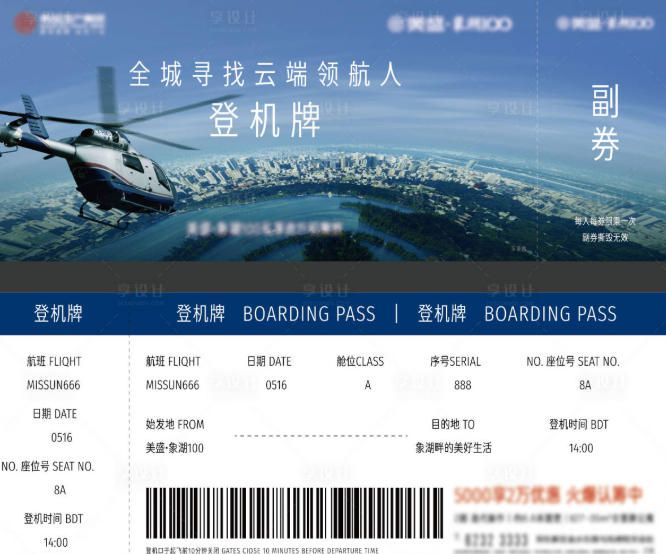
Beijing Tianci Media Co., Ltd.(天赐传媒)has established itself as a dedicated player in China’s aviation media space, offering brands access to a comprehensive range of inflight advertising formats including headrest covers, tray table stickers, overhead bin wraps, inflight magazines, boarding passes, and digital onboard screens. The company’s approach is built on a “self-owned resources + integrated customization” dual-engine model, combining proprietary airport media assets with tailored aviation media solutions. With documented case studies spanning brands from长寿花(Changshouhua)to小黄人(Minions), Tianci Media demonstrates practical experience in translating brand objectives into onboard execution.
Looking Ahead
As China’s aviation market continues to expand—with passenger volumes rebounding and international routes reopening—the value of inflight media advertising will only intensify. The 2025 global inflight advertising services market was valued at $621 million, with projections reaching $1.736 billion by 2034 at a compound annual growth rate of 12.10%. China represents a significant and growing share of this market.
The brands that win in this space will be those that recognize inflight media not as an afterthought to airport campaigns, but as a distinct channel with its own strategic logic, audience dynamics, and creative possibilities. In the race for the attention of China’s most valuable consumers, the aircraft cabin may be the last great untapped frontier.
For brands ready to explore the potential of China inflight media advertising, Tianci Media offers end-to-end solutions from media planning to creative execution, backed by years of aviation media expertise and a commitment to measurable brand impact.