China Airplane Advertising in 2026: A Complete Guide to Costs, Formats & Strategy
2026-07-06Tianci MediaViews:49
Highlights
If you’ve been watching the Chinese market closely, you’ve probably noticed something shifting. More and more brands are putting their money into Airplane advertisement—and for good reason. China’s aviation sector is bouncing back strong.
Why More Brands Are Turning to Airplane Advertising
China’s aviation sector is bouncing back strong. In 2024 alone, civil aviation airports across the country handled 1.46 billion passenger trips, up 15.9% from the previous year. That’s a massive audience with serious spending power. Airport ad revenue hit 9.57 billion yuan in 2024 and is expected to climb past 10.45 billion yuan in 2025. The numbers don’t lie—this is a channel worth paying attention to.
But here’s the real question: with all that traffic, how do you actually make your brand stand out? A lot of businesses throw money at outdoor ads without a clear plan, hoping something sticks. That’s not a strategy—it’s gambling. The key is understanding what works, where to place your message, and how to measure results. That’s exactly what we’re going to cover.
Understanding the Different Formats of Airplane Advertising
When people talk about Airplane advertisement, they’re usually thinking of two broad categories: airport advertising and onboard advertising. Both have their strengths, and smart brands use a mix of both.
Airport Advertising: Reaching Travelers Before They Board
Airport ads catch passengers at every step of their journey—from the moment they walk into the terminal to the minute they board. High-value spots include Security Check Entrance, check-in areas, arrival halls, and baggage claim zones. These are places every single traveler passes through, which means guaranteed eyeballs. LED screens and lightboxes in these areas get strong attention and recall. And here’s a pro tip: arrival areas often outperform departure zones because travelers are more relaxed and receptive after landing, making ads more memorable.
Onboard Advertising: The Captive Audience Advantage
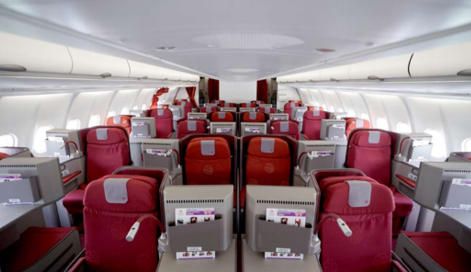
Once passengers are in the air, you’ve got their full attention. The cabin is a closed environment—no phones (well, mostly), no distractions, just hours of sitting with nowhere to go. That’s gold for advertisers. Common onboard formats include seatback tray tables, headrest covers, in-flight magazines, overhead bin decals, and digital entertainment screens. Studies show that in-flight ads deliver up to 30% higher brand recall than ground-based ads, driven by passengers’ heightened emotional engagement at altitude. Passengers viewing ads in flight also show 8% higher emotional engagement compared to the same creative viewed on the ground.
How Much Does Airplane Advertising Cost in China?
Let’s talk money—because this is where things get real. Aircraft advertising placement isn’t a one-size-fits-all expense. It’s a spectrum that starts from tens of thousands and can go up to millions.
Here are some ballpark figures to give you a sense:
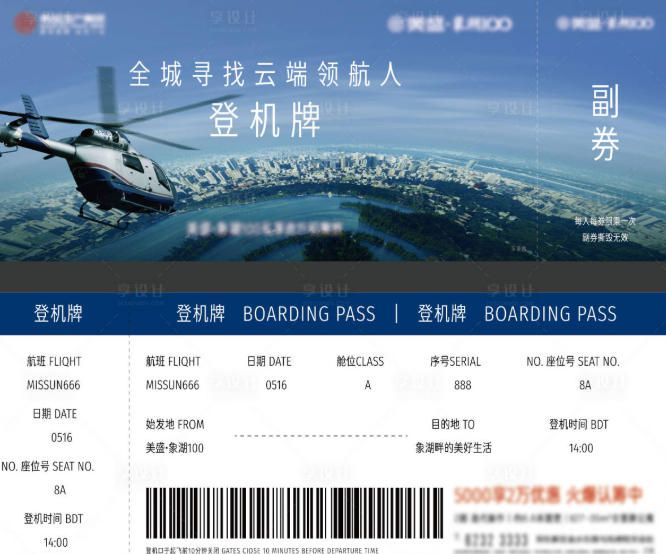
Boarding pass ads: Around 1.5 yuan per pass with a minimum order of 100,000–300,000 passes—roughly 45,000 yuan per campaign.
Seatback tray tables: About 150,000 yuan per year for a single-aisle aircraft, 250,000 yuan for a wide-body.
Headrest covers: Approximately 180,000 yuan per year per aircraft.
In-flight magazine ads: Around 150,000 yuan per issue for a full-page ad.
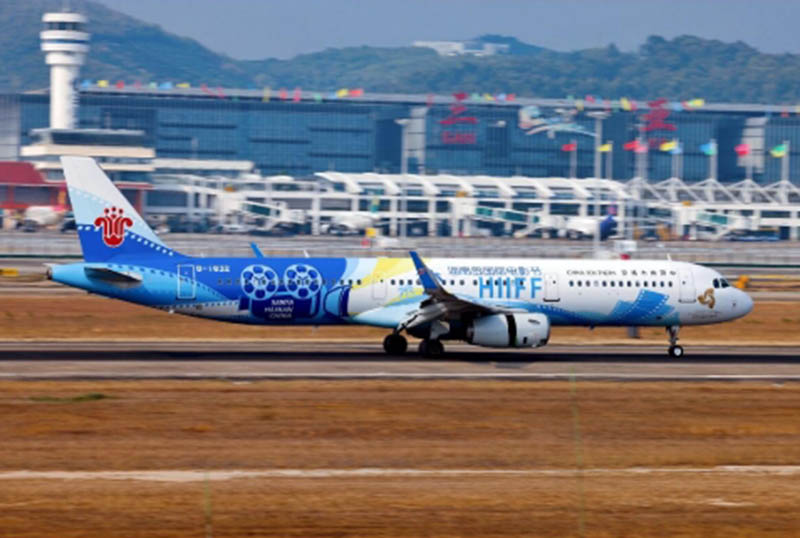
Premium packages like fuselage wrapping + themed campaigns: 8–10 million yuan per year per aircraft.
These are reference prices, of course—actual costs vary by airline, route, and negotiation. But they give you a realistic starting point for budget planning.
Strategic Tips for Effective Airplane Advertising launch
So you’ve got the budget and you know the formats. Now what? Here are a few practical tips that actually move the needle.
Pick the Right Spots for Maximum Impact
Not all ad placements are created equal. The most valuable positions are the ones every traveler has to pass—check-in areas, security checkpoints, boarding gates, and baggage carousels. These high-traffic zones guarantee exposure. And don’t overlook the power of combining multiple touchpoints. A mix of high-reach placements (like digital screens) and high-focus placements (like tray tables or magazines) gives you both broad awareness and deep engagement.
Leverage the Premium Brand Association
Here is a point overlooked by many: aircraft advertising does not merely convey information—it itself communicates brand positioning. Air travel inherently carries connotations of premium status, international reach and high quality. When your brand appears in this setting, consumers will subconsciously associate these desirable attributes with your brand. For enterprises aiming to elevate their brand image, this "scenario premium" works better than any advertising slogan.
Embrace Digital and Data-Driven Approaches
The industry is moving fast toward standardization, tech integration, and programmatic buying. AI, AR, and interactive displays are becoming more common. In 2026, major partnerships are bringing programmatic advertising to in-flight Wi-Fi and entertainment systems—meaning advertisers can now reach travelers in real time with automated, data-driven targeting. This is a game-changer for precision and efficiency.
What’s Next for Airplane Advertising in China?
Looking ahead, the trend is clear: Aircraft advertising placement in China is evolving from a static, one-way broadcast into a dynamic, interactive, data-rich marketing channel. The global in-flight advertising market was valued at 30.8 billion yuan in 2025 and is projected to hit 73 billion yuan by 2032, with a CAGR of 13.12%. China alone accounts for a significant chunk of that growth.
For brands that get in early and do it right, the upside is enormous. The key is to think beyond just “putting up an ad”—think about the whole passenger journey, from airport arrival to in-flight experience, and build a cohesive story across every touchpoint.
Looking for more insights on China’s advertising landscape? Check out our other guides on outdoor media buying and digital marketing trends to round out your strategy.