Outdoor Large Screen Advertising: The Ultimate Guide to DOOH Success in 2026
2026-06-04Tianci MediaViews:108
Highlights
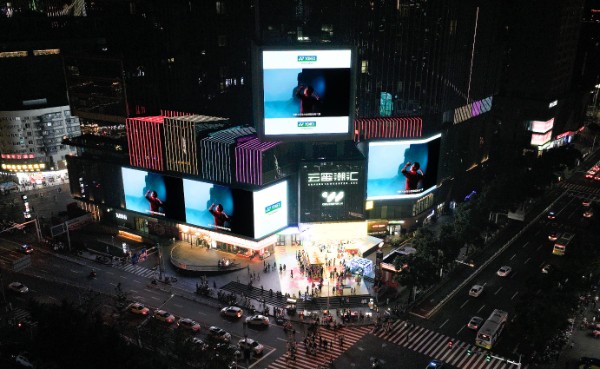
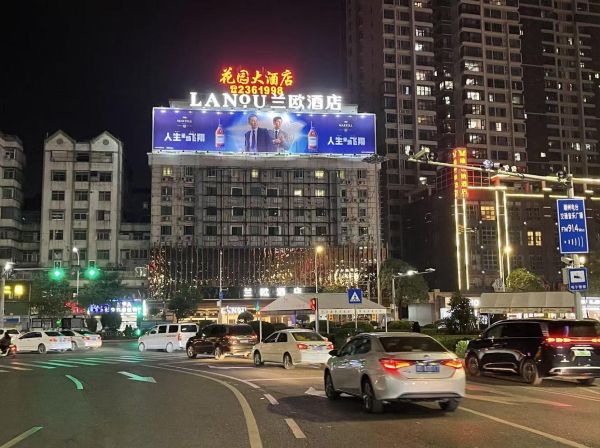
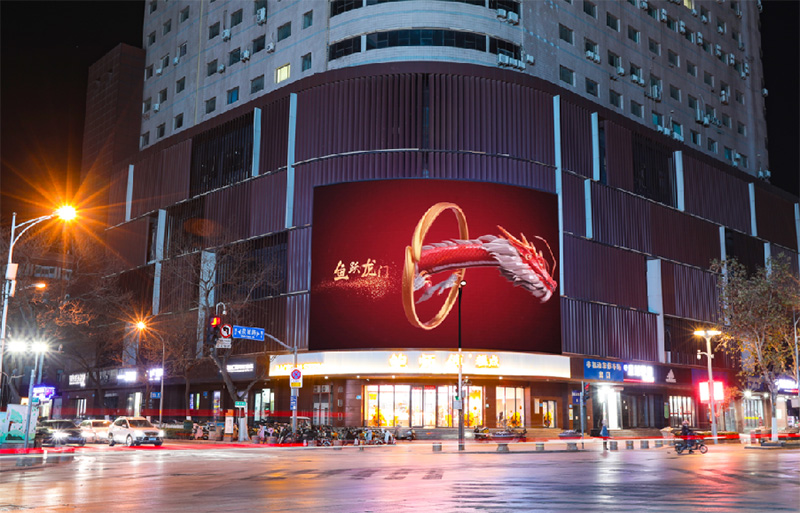
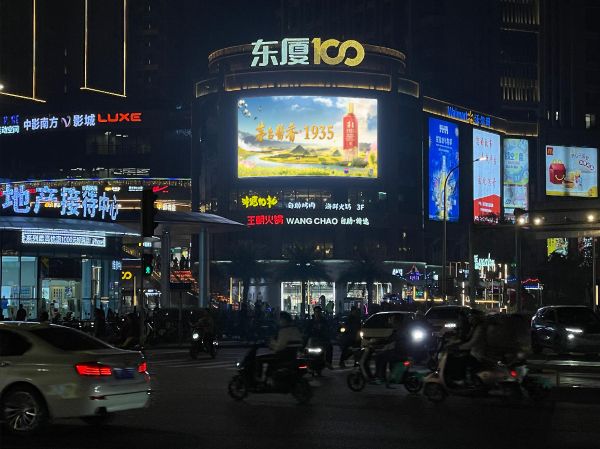
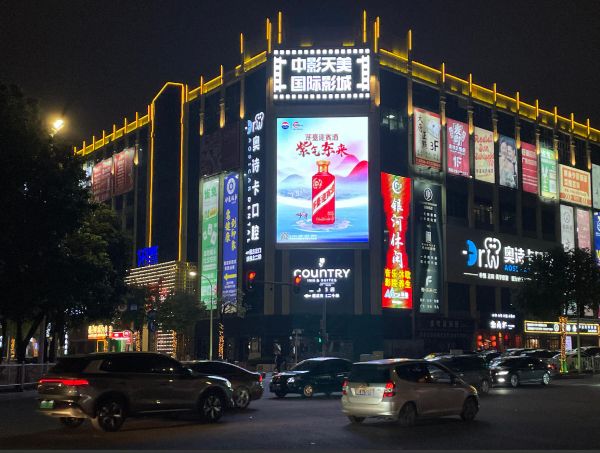
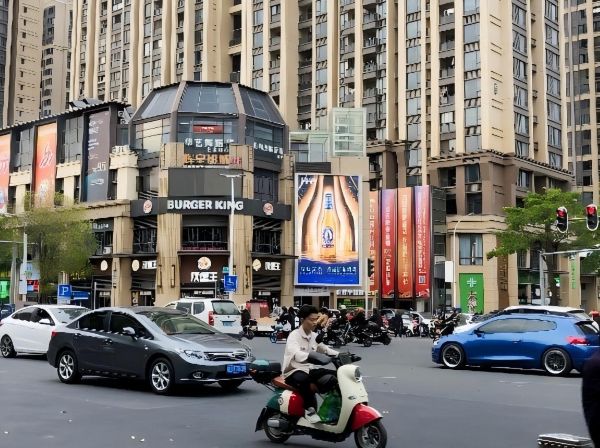
Outdoor large screen advertising has evolved far beyond static billboards. Today’s digital out‑of‑home (DOOH) displays combine massive visual impact with real‑time data, motion graphics, and programmatic buying. From city centers to transit hubs, large LED screens command attention from thousands of daily viewers – and smart brands are using them to drive measurable business results. This guide explains why outdoor large screens work, how to plan a high‑ROI campaign, and which metrics actually matter.
Why Outdoor Large Screens Outperform Traditional Billboards
Static billboards have been around for a century. Digital large screens offer three game‑changing advantages:
Dynamic content – change your message by time of day, weather, or even live events.
Higher recall – motion and colour increase retention by up to 47% vs static ads.
Measurable engagement – use QR codes, short URLs, and geofencing to track real impact.
For example, a coffee chain can show an iced latte ad at 2 PM on a hot afternoon and switch to a warm hot chocolate at 8 PM – all automatically. That’s the power of programmatic DOOH.
Top Locations for Maximum Impressions
Not every large screen delivers the same ROI. The best locations share three traits: high dwell time, line‑of‑sight from multiple angles, and audience density.
Prime DOOH location types:
| Location Type | Average Daily Impressions | Best For |
|---|---|---|
| Highway digital billboards | 50,000 – 200,000 | Automotive, fast food, hotels |
| Transit shelters & subway screens | 20,000 – 80,000 | Local services, apps, retail |
| Airport terminal displays | 100,000+ (captive audience) | Luxury goods, travel, finance |
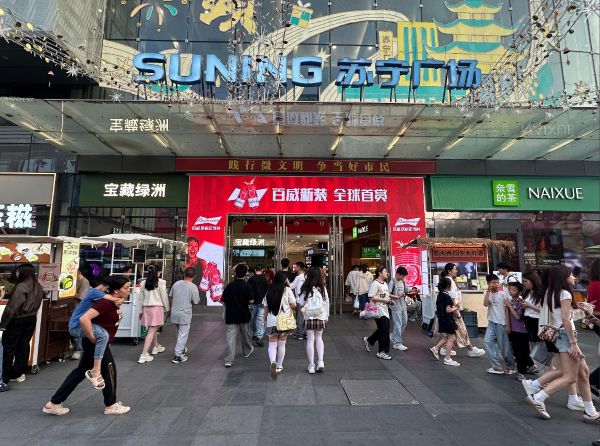
| Shopping mall atriums | 30,000 – 150,000 | Fashion, electronics, F&B |
Pro tip: Use mobile location data to match screens with your customer’s daily commute route.
Creative Best Practices for Large LED Displays
Designing for a 40‑foot screen is not the same as designing for a phone. Follow these six rules:
Legibility first – sans‑serif fonts, minimum 6‑inch character height for every 50 feet of viewing distance.
Limit text – 5–7 words maximum. Your logo + a short call‑to‑action.
High contrast – dark text on light background or vice versa; avoid mid‑tones.
Subtle motion – gentle movement (product rotation, text slide) grabs attention without annoying.
Loop length – 8–15 seconds per message. Viewers rarely watch longer.
Include a simple short URL – e.g.,
drink.fresh/2go– easy to remember and type.
Real‑world case: A regional bank used a 10‑second loop on 20 transit shelter screens. The ad showed a piggy bank with “Save for a house? Scan here.” QR scans generated 1,200+ loan applications in 30 days – a 12x ROI.
Programmatic DOOH: Buy Like Digital Ads
Gone are the days of fixed one‑month rentals. Programmatic DOOH lets you buy outdoor large screen inventory just like Google or Facebook ads – by impression, hour, or even minute.
Key benefits of programmatic buying:
Dayparting – run ads only during peak hours (e.g., 7‑9 AM and 4‑7 PM) to lower costs.
Weather triggers – show umbrella ads when rain is forecast, sunglasses ads when sunny.
Audience targeting – use mobile data to reach “affluent shoppers” or “sports fans” near stadiums.
Major programmatic DOOH platforms include Vistar Media, Place Exchange, and Hivestack. Many integrate with Google Campaign Manager and The Trade Desk.
How to Measure Outdoor Large Screen ROI
Unlike TV or online ads, DOOH measurement requires a mix of methods. Use these four:
Geofencing – track mobile devices that were near the screen and later visited your store or website.
Vanity URLs & QR codes – unique per campaign to count direct responses.
Social listening – monitor hashtags and check‑ins from the ad location.
Foot traffic lift – compare store visits during flight vs. baseline (using third‑party data like Placer.ai).
Many brands report ROI between 2.5x and 6x for well‑executed DOOH campaigns, especially when combined with a digital retargeting layer.
Cost Factors & Budget Planning
Outdoor large screen costs vary dramatically:
Small city digital billboard – $500 – $2,000 per week
Regional transit shelter network – $3,000 – $8,000 per week
Prime downtown large screen – $15,000 – $50,000 per week
Programmatic spot buys – as low as $50 per screen per day (off‑peak)
Ways to reduce cost:
Buy remnant inventory (unsold slots) 24‑48 hours in advance.
Use dayparting – only 4‑6 hours of high‑traffic time.
Combine multiple smaller screens instead of one huge landmark screen.
Future Trends: AI, Interactivity, and Sustainability
What’s next for large outdoor displays?
AI‑powered creative optimisation – cameras (anonymised) detect age/gender of passersby and switch ad creative in real time.
Augmented reality mirrors – pedestrians see themselves interacting with the product on screen.
Green DOOH – solar‑powered screens and carbon‑offset programmatic buys.
Connected TV integration – sync your DOOH campaign with CTV ads for cross‑screen frequency.
Brands that adopt these early will capture attention before competitors catch up.
Conclusion: Is Outdoor Large Screen Advertising Right for You?
If your goal is mass awareness, brand prestige, or driving local foot traffic, outdoor large screen advertising delivers unmatched scale. With programmatic buying, it is now affordable for mid‑sized brands – not just global giants.
Start small: test one digital billboard for two weeks, measure QR scans and store visits, then scale your best creative across a network. The brands that ignore DOOH risk being invisible in the physical world.
Ready to light up your brand? Contact a DOOH media specialist or self‑serve platform and launch your first campaign today.