Analysis of Outdoor Advertising Prices by Week
2025-12-17Tianci MediaViews:268
Highlights
Do you want to know the true price of outdoor advertising on a weekly basis? This article provides an in-depth analysis of the weekly advertising cost range, influencing factors, and avoidance guidelines for mainstream forms such as bus bodies, building LED screens, and subway advertisements, helping you make cost-effective advertising decisions. Read now to get the latest quotation reference for 2025!
一、 What is the weekly advertising rate for outdoor advertising? A comprehensive cost analysis and pitfall avoidance guide for 2025
Out-of-Home Advertising (OOH), with its characteristics of compulsory exposure, wide coverage, and strong localization, has always been an important front for corporate brand promotion. For many marketers or small and medium-sized enterprise owners who are new to this field, the most direct question is often: "How much budget do I need for weekly outdoor advertising?" This is a good question, but the answer is by no means a simple number.
In stark contrast to the cost-per-click (CPC) model of online advertising, the pricing system for outdoor advertising is far more complex, influenced by dozens of factors such as media type, geographical location, advertising period, size specifications, and pedestrian flow. This article will simplify the complexity, systematically break down the price composition of outdoor advertising weekly placements for you, provide a realistic quotation range, and offer professional procurement advice, allowing you to transition from a "novice" to an "expert".
二、 Core pricing model of outdoor advertising: why is it calculated on a weekly basis?
Before delving into pricing, it is essential to comprehend the pricing logic of outdoor advertising. The primary pricing unit is "week", and the reason for this is as follows:
Standardization of publishing cycle: The leasing of advertising space, image replacement, and maintenance are usually scheduled and managed on a weekly basis, facilitating the operation of media outlets.
Budget planning is user-friendly: For advertisers, weekly calculation makes it easier to plan budgets and evaluate the effectiveness of short-term marketing activities (such as new product launches and promotional events).
High flexibility: Compared to monthly or yearly packages, weekly delivery has a lower threshold, making it suitable for test deliveries or small and medium-sized enterprises with limited budgets.

三、 In-depth Analysis of Weekly Advertising Rates for Mainstream Outdoor Advertising Types
The following prices are estimated based on the market conditions in first- and second-tier cities as well as some third-tier cities in China (in RMB), and are for reference only. Specific prices are subject to actual inquiries. The prices usually include the rental fee for the space, but exclude the costs for graphic design, production, and installation.
1. Public transportation advertisements
This type of advertisement reaches mainstream urban commuters, with a high exposure rate.
Bus body advertisement:
The price for painting the entire body of a single vehicle ranges from approximately 8,000 to 20,000 yuan per week. For prime routes in first-tier cities (such as those running through the city center and passing through commercial districts), the price can reach over 20,000 yuan, while in third- and fourth-tier cities, it may be as low as 5,000 yuan.
Both sides/rear end of the car body: The price is about 1/3 to 1/2 of the total price of the entire car body
Subway advertisement:
Posters in the train compartment (pull handles, window stickers, door stickers): A single advertising space costs approximately 500 - 2,000 yuan per week. The price for renting an entire themed train compartment is quite high.
Channel light boxes/wall stickers: For transfer stations with high pedestrian flow, a single light box costs approximately 3,000 - 10,000 yuan per week.
12-16 light box continuous screen: visually stunning, with weekly prices ranging from 20,000 to 80,000 yuan or even higher.
Taxi/ride-hailing advertisement:
Roof light advertising: Priced according to fleet size, with an approximate cost of 50-150 yuan per vehicle per week. A minimum of 50-100 vehicles is usually required for deployment.
Seat back advertising: approximately 30 - 100 yuan per vehicle per week.
2 . Building and business district advertisements
This type of advertisement precisely targets office workers or consumers.
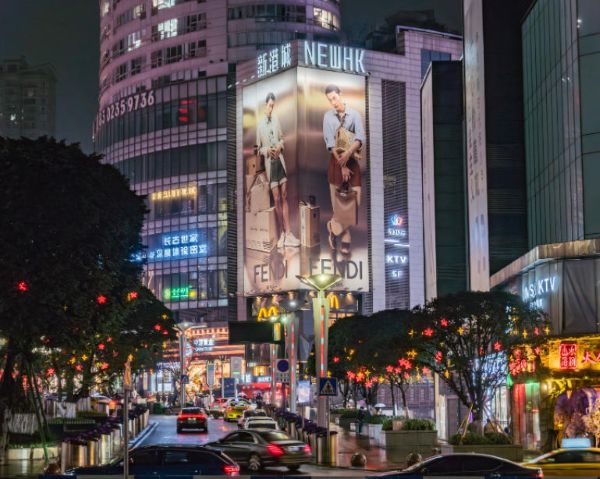
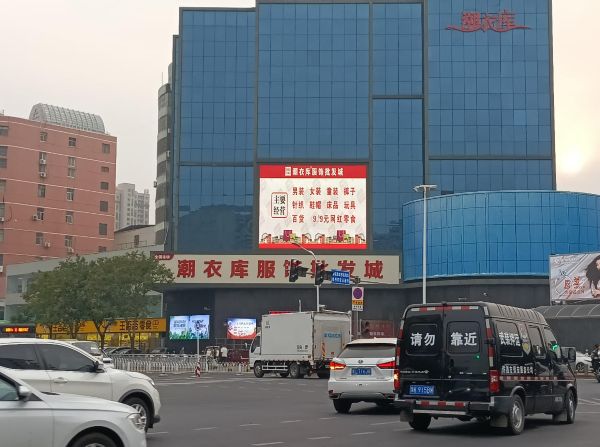
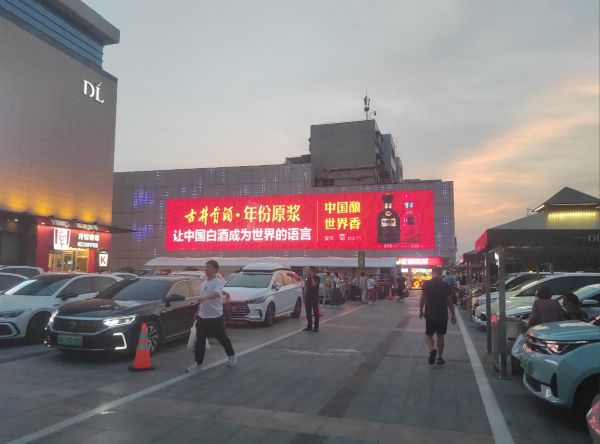
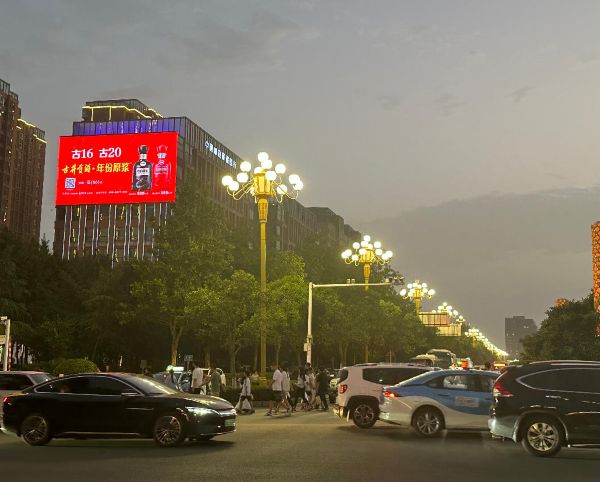
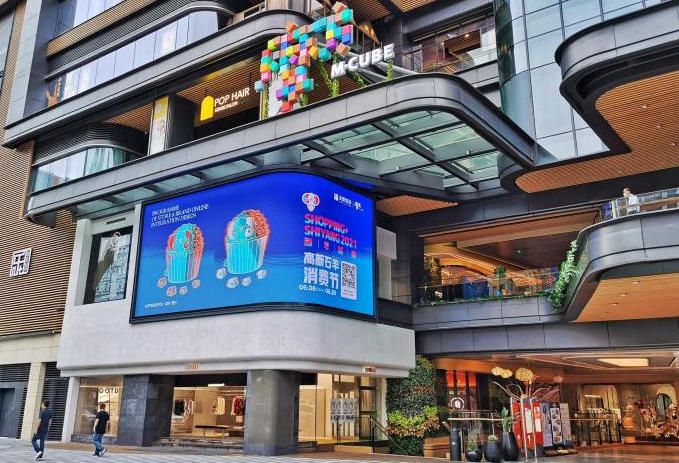
Commercial building LED screen:
Core business district landmark screens (such as the Bund in Shanghai and Sanlitun in Beijing): The unit price per second is extremely high, and they are usually broadcast in a rotating package format on a weekly basis, with a certain number of exposures per week. The price ranges from tens of thousands to millions of yuan.
LED screens in regional commercial centers: weekly prices may range from 20,000 to 100,000 yuan.
Elevator frame advertisement:
This is the most typical example of weekly pricing. The price for a single photo frame advertising space in an elevator car is about 120-400 yuan per week. Mainstream media (such as Focus Media) will sell in packages (for example, covering XX communities with XX rounds of broadcasting per week). For a city-level package, the total weekly budget is usually tens of thousands to hundreds of thousands of yuan.
Community barrier gate/access control advertising: The cost for a single access control advertising space is approximately 100 - 300 yuan per week.
3. Outdoor billboards and street facilities
Large outdoor elevated/column billboards (T-boards, skyscraper billboards):
Located along the main access roads or highways of the city, these areas are vast and very expensive in terms of weekly rent. They are usually rented on a monthly or annual basis. If forcibly converted to weekly terms, the weekly rent for core locations may reach tens of thousands to hundreds of thousands of yuan.
Bus stop light box:
The weekly price for a single light box ranges from approximately 1,500 to 6,000 yuan, with prices at downtown stations significantly higher than those in suburban areas.
Shared bicycle basket advertising: Packaged by city and number of vehicles, the cost per vehicle per week may be only a few to ten-plus yuan, but the minimum investment amount is huge.
四、Four key factors that influence price (not just "location")
Geographical location (golden rule): Pedestrian and vehicle traffic are the cornerstones of pricing. The price of advertisements in a subway station may vary several times between transfer stations and non-transfer stations.
Duration and Frequency of Advertising: Generally, the longer the advertising cycle, the lower the average price per week may be. In LED screens or video advertisements, "duration per play" and "frequency per day" are also important pricing dimensions.
Size and form: For the same type of light box, digital dynamic light boxes are priced higher than static poster light boxes; ultra-large size or irregular-shaped advertising spaces are priced even higher due to their production difficulty and visual effects.
Procurement channels: Purchase directly from media owners (such as bus companies, subway companies), or through advertising agencies. Prices and services may vary. Agencies may have media resource packages and can obtain better prices, but they will charge a service fee.
五、 Common Misconceptions of Novices and Guidelines for Avoiding Pitfalls
Misconception 1: Focusing solely on unit price without considering the total volume. Outdoor advertising aims for effective reach (Reach) and frequency (Frequency). A remote billboard costing 500 yuan per week may have a cost-effectiveness ratio far lower than a bus stop billboard costing 5,000 yuan per week but with an average daily exposure of 100,000 people.
Misconception 2: Ignoring production and installation costs. It is essential to allocate 10%-25% of the budget for the design, materials, printing, installation, and subsequent dismantling of the visuals. The production cost of a large outdoor advertisement can potentially reach tens of thousands of yuan.
Misconception 3: Lack of clear targeting. Is it for brand exposure or to drive traffic to offline stores? Different goals require distinct media types and location evaluation criteria (such as pedestrian flow vs. vehicle flow).
Misconception 4: Failing to sign a detailed contract. The contract must specify: the start and end dates of the advertising campaign (accurate to the day), the specific location and number of advertising spaces, the specifications and materials of the visuals, maintenance responsibilities (who is responsible for handling any obstructions or damages), acceptance standards, and payment methods.
六、 Conclusion
In summary, the weekly advertising rates for outdoor advertising range widely, from a few hundred yuan per week for community access control advertising to over a million yuan per week for city landmark LED screens. There is no "standard price", only "matching price".