Digital Out-of-Home Advertising: DOOH & Programmatic Buying Guide
2026-08-16Tianci MediaViews:29
Highlights
For decades, buying outdoor advertising meant negotiating a fixed monthly rate for a fixed screen, printing a static panel, and waiting for the contract to end. That model is being fundamentally rewritten. When a single LED billboard can swap creative in seconds based on weather data, traffic sensors, or sports scores, the "rent-a-sign" approach is no longer the only option. Digital Out-of-Home advertising (DOOH), combined with programmatic buying, is transforming the channel from static procurement into dynamic, data-triggered, audience-targeted media buying. This guide breaks down the capabilities of DOOH, the mechanics of programmatic OOH buying, dynamic creative optimization techniques, and the data-driven strategies that distinguish early adopters from those still buying billboards the old way.
1. What Is DOOH: From Printed Panel to Programmable Screen
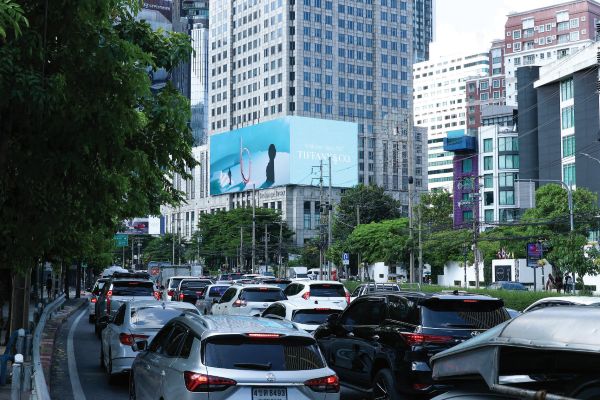
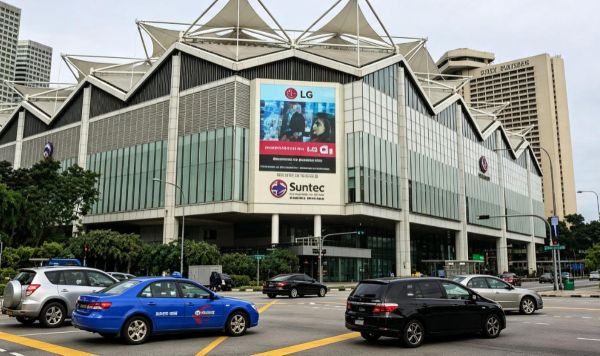
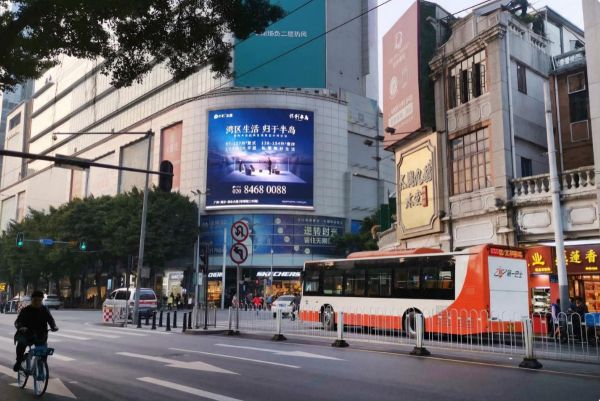
DOOH is not a new concept, but its capability frontier has expanded dramatically. A traditional billboard is a printed surface — once installed, the creative cannot change without physical replacement. A DOOH screen is a networked digital display whose content can be updated in real time.
Three core capabilities of DOOH:
Remote content management. A single screen can serve multiple advertisers on a rotation schedule, with content pushed and changed remotely — no crew, no printing, no downtime.
Real-time triggering. Screens can connect to external data feeds — weather APIs, stock market indices, traffic sensors, sports scoreboards — and automatically swap creative when predefined conditions are met. Temperature above 30°C triggers cold beverage creative; heavy rain triggers food delivery ads; a local team winning triggers celebratory brand messaging.
Audience measurement. Paired with camera-based analytics or anonymized LBS mobile data, DOOH screens can estimate footfall, demographic distribution, and dwell time in front of the display — converting vague "exposure" into quantifiable "real reach."
Together, these capabilities shift the buying model from purchasing a physical location to purchasing time windows, contextual scenarios, and audience segments.
2. Programmatic OOH Buying: Workflow and Key Components
Programmatic buying has dominated digital advertising for over a decade, but in outdoor media it is still in early-stage adoption. Its core premise: replace manual negotiation with data and algorithms to automatically match screens with budgets.
Standard programmatic DOOH workflow:
Key players in the ecosystem:
DSP (Demand-Side Platform): The advertiser entry point. Input budget, target audience, campaign strategy — the system automatically matches the optimal screen combination. Leading platforms: Vistar Media, Broadsign Ads, Hivestack.
SSP (Supply-Side Platform): The screen owner entry point. Media owners connect their displays to the platform, set floor prices and available time windows. Leading platforms: Broadsign, VIOOH.
DMP (Data Management Platform): Provides audience segmentation and mobility trajectory data, enabling precise targeting by demographic, behavior, and geography.
The programmatic DOOH ecosystem is still maturing in many markets, but major LED screen operators are already integrating real-time ad-serving capabilities. Within the next 2-3 years, programmatic OOH is expected to reach scale.
3. Dynamic Creative Optimization (DCO): Making One Screen Speak Differently
Dynamic Creative Optimization is DOOH's killer capability — the feature that most distinguishes it from traditional outdoor advertising. In simple terms: the same screen, in different time windows and contextual scenarios, automatically displays different creative.
Three common DCO trigger dimensions:
Time-based triggers. Morning rush hour serves breakfast ads; midday serves fast-casual dining; evening serves entertainment and beverage brands. Weekday and weekend creative diverges automatically.
Environmental triggers. Sunny weather serves cold drink and sunscreen ads; rainy weather serves food delivery and rain gear ads. The system polls real-time weather APIs and switches accordingly.
Event-based triggers. A city's sports team wins → celebratory brand creative goes live within minutes. A stock index crosses a key threshold → financial institution brand messaging activates.
DCO implementation essentials:
Pre-produced creative variants. Prepare multiple visual versions in advance. The system selects from a library based on rules — it does not "generate new creative on the fly," it "calls pre-approved variants based on conditions."
Rule engine. Set if-then trigger logic. Example: "When temperature > 32°C AND time window = 12:00-14:00, Screen A plays cold beverage variant."
Compliance review. All creative variants must be pre-approved. "Dynamic" does not mean bypassing content review — if anything, multi-variant campaigns require more thorough compliance checking because of the larger volume of assets.
DCO's value proposition: the same screen, the same budget, but content better matched to the current context can lift engagement effectiveness by 20-40% — something static installations simply cannot achieve.
4. Data-Driven Placement Strategy: From Guesswork to Analytics
Programmatic DOOH's other major value is making placement strategy data-driven rather than intuition-based.
Audience targeting. Using LBS mobile location data, advertisers can analyze the demographic profile of people passing a specific screen. Weekday daytime skews white-collar workers; evenings skew residents; weekends skew shoppers and leisure-seekers. This allows advertisers to choose "which time window on which screen" rather than blindly buying the full day.
Frequency control. Programmatic systems can track exposure across screens (using anonymized, aggregated mobile device IDs), capping frequency to avoid over-exposure while guaranteeing a minimum effective frequency. This prevents budget waste on audiences who have already seen the ad enough times.
Attribution. Some platforms now support "visit attribution" — using LBS data to measure foot traffic incrementality at stores near the screen during the campaign period, compared to non-exposed control areas. While not as precise as digital attribution, it represents a quantum leap beyond the old "we know the footfall count" approach.
Budget allocation framework:
Brand awareness phase: Select high-footfall landmark screens for maximum coverage. Budget share: 40-50%.
Precision targeting phase: Select mid- and small-format DOOH screens around communities and commercial districts, paired with LBS targeting. Budget share: 30-40%.
Conversion phase: Select screens near store locations, paired with location-based offer codes. Budget share: 10-20%.
5. Common DOOH Pitfalls and How to Avoid Them
"Digital" does not mean "cheap." Programmatic DOOH saves negotiation and printing costs, but premium locations do not drop in price because they are digital. Landmark screens still command premiums.
Creative workloads increase, not decrease. DCO requires multiple pre-produced variants — more work, not less. Without multi-variant creative, DCO degrades into "scheduled rotation," losing its dynamic value entirely.
Data quality varies widely. LBS precision depends on sample size and coverage. Different vendors offer vastly different data quality. Always cross-validate before committing.
Real-time triggers have latency. From data collection to creative switch, the pipeline introduces 30 seconds to 2 minutes of delay. Do not expect millisecond-level responsiveness.
Compliance is not optional. Some advertisers mistakenly believe programmatic buying bypasses content review. In reality, mass-screen networks have stricter compliance requirements, and violations carry higher risk.
6. Conclusion: DOOH Is a Trend, Not a Gimmick
Digital Out-of-Home advertising and programmatic buying are not cosmetic enhancements — they represent an industry-wide infrastructure upgrade. When screens become programmable digital endpoints, outdoor advertising gains the flexibility and measurability that digital channels have long enjoyed. For advertisers, understanding DOOH's capability frontier, mastering the programmatic buying workflow, and preparing dynamic creative assets are the core competencies for the next 2-3 years of outdoor advertising.
Entering now is not about chasing a trend. It is about building awareness and data assets before the industry scales — because once programmatic DOOH becomes as commonplace as feed-based social ads, the first-mover advantage disappears entirely.