Article: Outdoor Large Screen Advertising – Turn High-Traffic Locations Into Your Brand’s Stage
2026-06-09Tianci MediaViews:58
Highlights
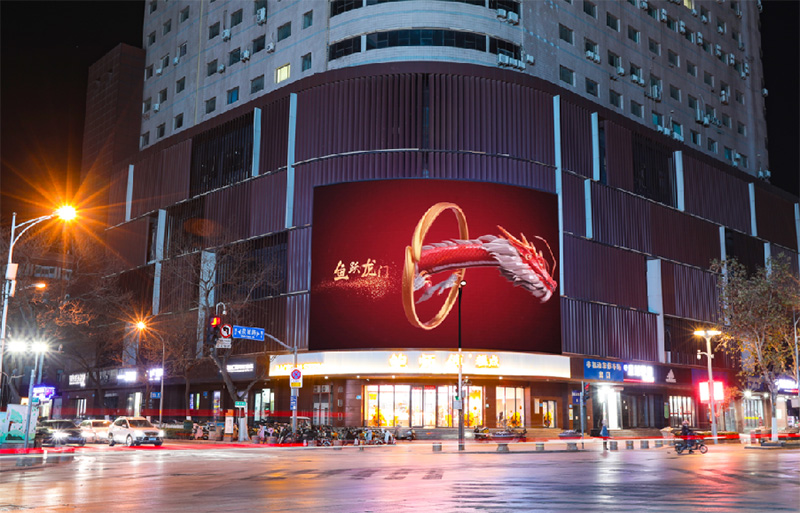
In a world where consumers are flooded with digital ads on their phones and laptops, outdoor large screen advertising offers something those channels cannot: physical presence, massive scale, and unavoidable visibility. From towering digital billboards along highways to oversized LED displays wrapped around city buildings and transit hubs, large outdoor screens capture attention in the real world – where purchase decisions actually happen. Unlike traditional static billboards, modern outdoor large screens are dynamic, data-enabled, and measurable. They can display video, respond to weather or time of day, and even interact with mobile devices. For brands aiming to build awareness, drive foot traffic, or launch a product with impact, outdoor large screen advertising is one of the most effective tools available.
Why Outdoor Large Screen Advertising Works
1. Unskippable and High Impact
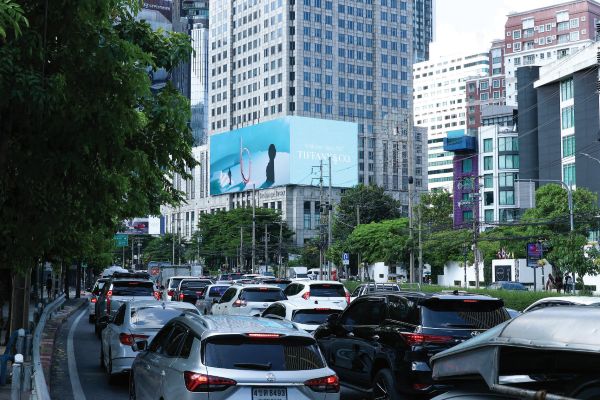
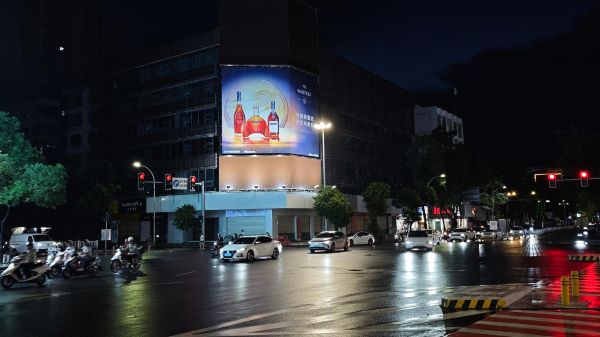
Consumers can close a pop-up ad, skip a YouTube preroll, or mute a TV commercial. But they cannot ignore a 40‑foot LED screen glowing at a busy intersection or along a congested freeway. Large outdoor screens command attention through sheer size, motion, and brightness – especially at night.
2. Massive Reach at Critical Moments
Outdoor screens are positioned where people spend time outside their homes and workplaces: commuting, shopping, dining, or walking. A single well-placed digital billboard on a major highway can generate over 1 million weekly views. When you run a synchronized network of screens across a city, your reach multiplies quickly.
3. Real-Time Agility
Programmatic digital out-of-home (pDOOH) now allows advertisers to buy outdoor large screen inventory by the hour, daypart, or even minute. A restaurant chain can trigger a breakfast ad from 6–9 AM near office districts, then switch to a dinner promotion from 5–8 PM near residential areas – all on the same screens.
4. Measurable Outcomes with Mobile Integration
By using geofencing and mobile device ID matching, advertisers can measure how many people saw an outdoor large screen ad and later visited a store, searched for the brand, or engaged online. This bridge between OOH and digital analytics has transformed outdoor advertising from a “brand awareness only” channel into a performance driver.
Types of Outdoor Large Screens
| Type | Typical Location | Best For |
|---|---|---|
| Digital Billboard | Highways, major roads, intersections | High-frequency commuter audiences |
| Wallscape / Building Wrap | City center building facades | Pedestrian-heavy zones, tourism |
| Transit-adjacent LED | Train stations, bus shelters, airports | Captive audience with dwell time |
| Street Furniture Screen | Bus stops, kiosks, phone booths | Targeting walkable urban areas |
| Spectacular (custom shaped) | Landmark squares, entertainment districts | Maximum creative impact, viral potential |
How to Plan an Effective Outdoor Large Screen Campaign
Step 1: Define Your Objective and Audience Flow
Are you trying to drive immediate store visits, build brand recall, or promote a sale? Match your screen placement to audience behavior:
Commuters → highway digital billboards (short glance time, bold visuals)
Shoppers → street-level screens near retail clusters (more dwell time, product details)
Office workers → screens near business districts during lunch hours (targeted messaging)
Step 2: Choose the Right Buying Model
Static rotation – Your ad appears in a fixed loop alongside other advertisers. Most cost‑effective.
Dayparting – You pay for specific time blocks (e.g., 7‑10 AM and 4‑7 PM). Great for commute peaks.
Programmatic (pDOOH) – Real-time bidding, often triggered by weather, traffic, or mobile data. Most flexible.
Exclusive takeover – Full control of a screen for a set period. High impact, higher cost.
Step 3: Design for the 3‑Second Glance
Outdoor large screens are viewed from a distance and often while moving. Follow these creative rules:
Use less than 7 words total (including logo and call to action)
High contrast colors (white on dark background or yellow/red on black)
One clear focal point – avoid split screens or busy backgrounds
For digital billboards: use motion to attract eye, but keep the core message static for 4‑6 seconds before switching
Step 4: Integrate With Mobile and Social
Drive measurable action by adding a short, memorable URL, a QR code (sized large enough to scan from 20‑30 feet), or a branded hashtag. Then use mobile retargeting to reach people who were within the screen’s geofence within the last 2 hours. This hybrid strategy lifts conversion rates by 25‑40%.
What Does Outdoor Large Screen Advertising Cost?
Pricing varies widely based on location, screen size, traffic volume, and time of day. Typical ranges:
| Screen Type | Weekly Cost (US average) |
|---|---|
| Rural / secondary highway digital billboard | $1,500 – $4,000 |
| Urban street-level wallscape (non‑landmark) | $5,000 – $15,000 |
| Major interstate digital billboard | $8,000 – $25,000 |
| High-density city center spectacular | $20,000 – $100,000+ |
Most campaigns run a minimum of 2‑4 weeks to establish frequency. Programmatic buys can start as low as $500 total for off-peak hours on smaller screens.
Measuring Success: Beyond Impressions
Traditional OOH metrics include Daily Effective Circulation (DEC) and Gross Rating Points (GRP). Modern campaigns add:
Foot traffic lift – Compare store visits during and after the campaign using mobile location data.
Search lift – Monitor branded search volume in the screen’s DMA (designated market area).
Social mentions – Track campaign hashtag and geotagged photos.
QR scan rate – Direct response metric.
A 2023 study across 50+ outdoor large screen campaigns found that adding programmatic DOOH to a media mix increased overall campaign ROI by 32% compared to static OOH alone.
Best Practices for Creative on Outdoor Large Screens
Test for legibility – Walk or drive past the screen at actual viewing distance. If you cannot read it in 2‑3 seconds, simplify.
Use motion wisely – Slow, smooth animations work best. Flashing or rapid cuts can annoy viewers and get ignored.
Include a clear CTA – Even if the goal is awareness, tell people what to do next: “Visit our store at 5th & Main,” “Scan to save 15%,” or “Text SCREEN to 55555.”
Adapt for day vs. night – Brighter, higher-contrast creatives work at night. Daytime requires less intensity but bold colors.
Future Trends in Outdoor Large Screen Advertising
AI‑powered dynamic creative – Screens will show different ads based on real-time audience composition (age, gender, group size) detected anonymously via cameras.
5G‑enabled interactivity – Passers‑by will be able to directly interact with large screens via their phones without downloading an app.
Sustainability certification – Green outdoor media networks using renewable energy and low‑power LEDs are gaining traction among eco-conscious brands.
Retail media integration – Large screens outside shopping malls will sync with in‑store promotions and loyalty apps for seamless omnichannel experiences.
Final Thoughts: Is Outdoor Large Screen Advertising Right for Your Brand?
Outdoor large screen advertising is not only for global giants. Local retailers, auto dealers, restaurants, event promoters, and DTC brands can all benefit – especially when using programmatic platforms that allow small budgets and precise targeting. The key is matching your creative to the context, measuring real-world outcomes, and integrating with digital channels.
In a fragmented media landscape, outdoor large screens offer something rare: a shared, public, and memorable brand moment. When executed well, they don’t just get seen – they get remembered.
Ready to go big outdoors? Start with a test in one high‑traffic location, measure foot traffic lift, then scale across your city or region. Your audience is already outside.