- Photos
- Specs
- Advantages
- Value
- Media Map
| Area:Guangzhou | Type:airport | Frequency:0 |
| Address:Guangzhou Baiyun International Airport | Format:Light box | Duration:0 |
| Location:T1 Domestic Arrival Concourse, Corridor | Min Qty:8 | Operating Time:0-24o'clock |
| Size:1.35×2.5×4面 | Min Period:month |
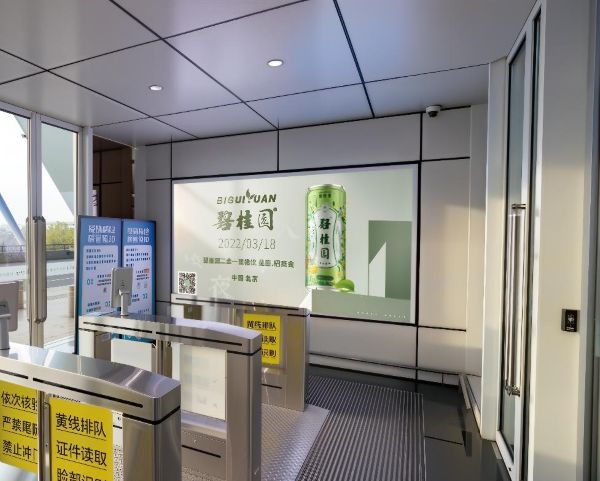
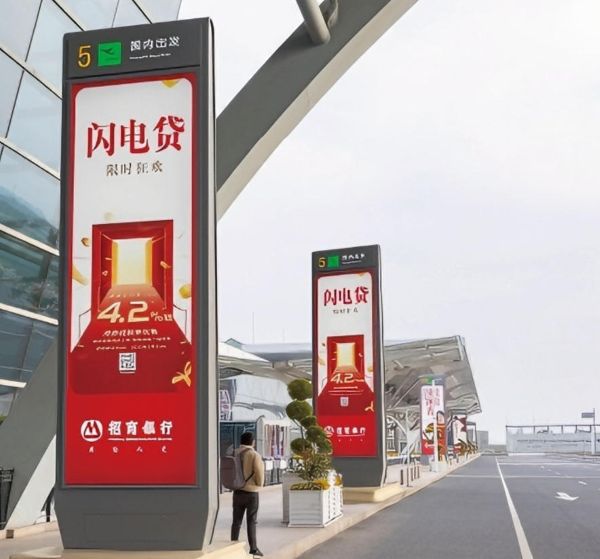
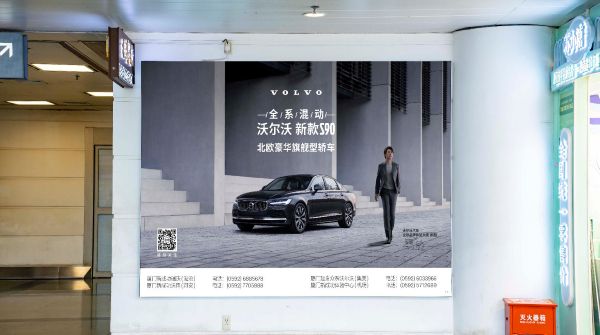
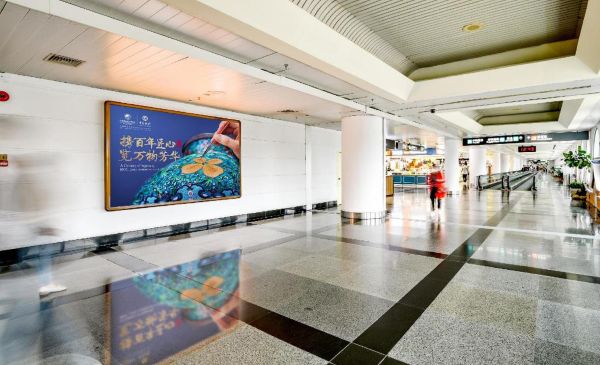
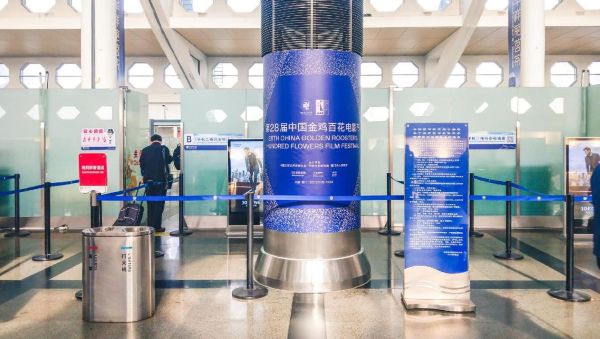
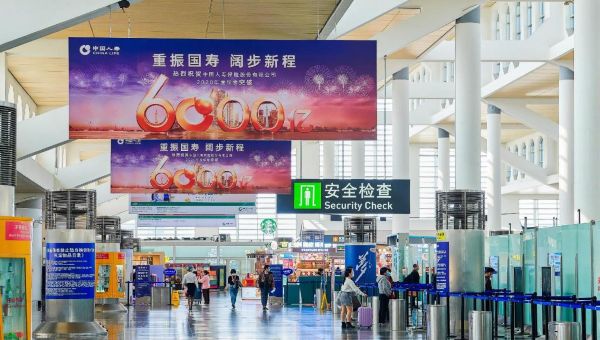
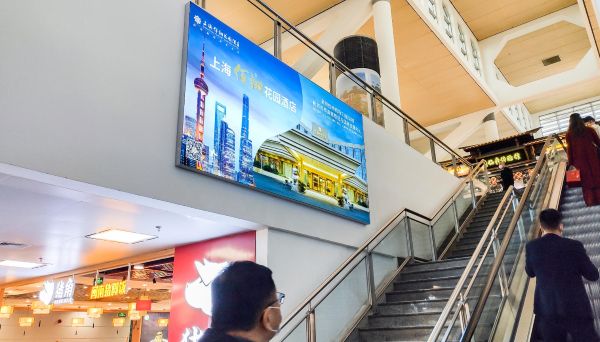
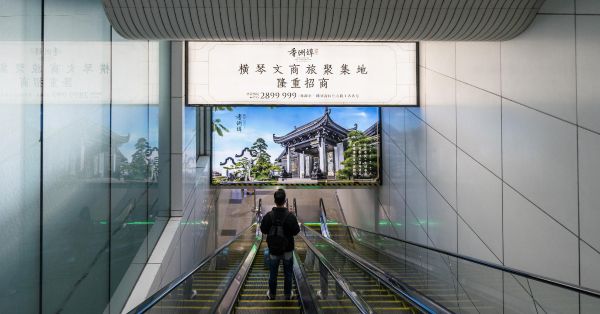
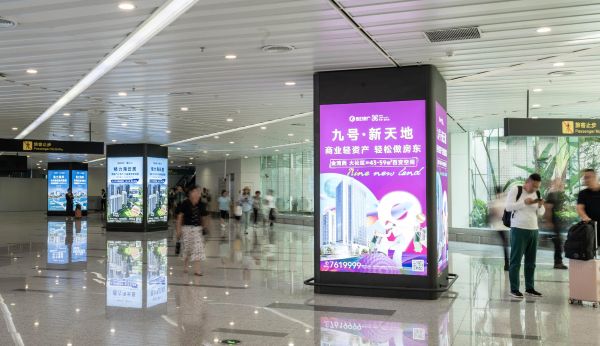
The lightbox display set is arranged along the mandatory corridor for T1 domestic arriving passengers, from the baggage claim area to the exit. All arriving passengers must pass through this area, regardless of whether they collect their luggage, and there is no way to bypass it. This ensures full coverage of domestic arriving passengers, guaranteeing zero missed exposure of brand information.
T1 domestic arriving passengers mainly consist of business travelers, return visitors for family reasons, and individual tourists, generally possessing strong purchasing power and decision-making authority. Particularly during events such as the Canton Fair, auto shows, and major sports events, the density of high-end business travelers sharply increases, providing brands with opportunities to reach a precise, high-net-worth audience. Passengers typically spend an average of 8–15 minutes waiting for their luggage and walking through the customs area, naturally focusing their attention on the surrounding environment.
Passengers spend a long time in the baggage claim area, during which they are in a state of passive attention. Advertisement exposure efficiency in this environment is four times greater than that of regular outdoor settings, making it suitable for in-depth information delivery and consumption guidance. Brand messaging occupies the passengers' line of sight exclusively, creating an immersive communication experience and enhancing the memorability of advertising content.
The arrival corridor is the only mandatory route for passengers from the boarding gate to the baggage area. The baggage area is where passengers spend the most time, and the exit corridor is the final advertising touchpoint before leaving the airport. The displays reach 40,000–50,000 domestic arriving passengers daily, with annual coverage exceeding 15 million people, of which business travelers account for over 35%, and high-consumption potential passengers account for up to 40%.
The lightbox display sets are mainly located in the domestic arrivals corridors on the second floor, around the baggage claim hall, and in the arrival exit areas, forming a full-chain advertising coverage network from corridor to baggage area to exit. This ensures that every domestic arrival passenger encounters advertising from the moment they disembark the plane to when they leave the airport, providing brands with a prime platform to precisely reach high-net-worth individuals in South China.
With its core advantages of prime location, diverse lightbox combinations, and access to high-net-worth audiences, it has become the preferred advertising resource for brands in the South China aviation hub arrivals scenario. Its full-chain coverage and high conversion features not only boost brand recognition but also directly drive consumer action. It serves as a strategic communication tool for brands to deeply engage the South China market and accurately target high-value customers.
The key lies in perfectly integrating the authority of premium environments, the precision of high-net-worth audiences, and the communication efficiency of enclosed spaces, providing brands with a full-chain marketing solution of “mandatory exposure, in-depth communication, and immediate conversion.” This approach not only generates short-term sales conversion and brand awareness but also achieves long-term brand asset growth and enhanced market competitiveness, making it an essential core media for premium brands' strategic layout in the South China market.
By using airport lightboxes as the medium and deeply integrating four major elements—mandatory passenger path, quality audience, efficient engagement, and strong visual presentation—it becomes a strategic media platform for brands to capture passengers' first impressions upon arrival and effectively drive conversion from “arrival” to “action.”