Why does your brand need outdoor advertising light boxes? 7 Major Benefits and Frequently Asked Questions
2025-12-10Tianci MediaViews:141
Highlights
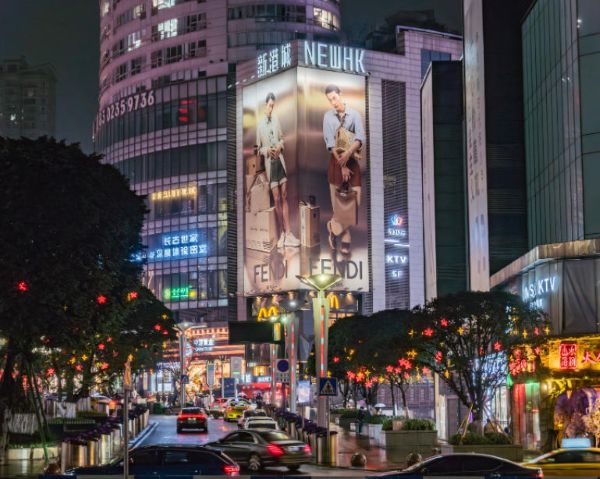
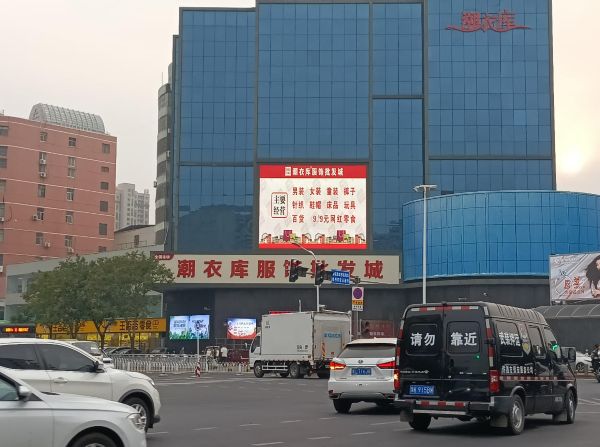
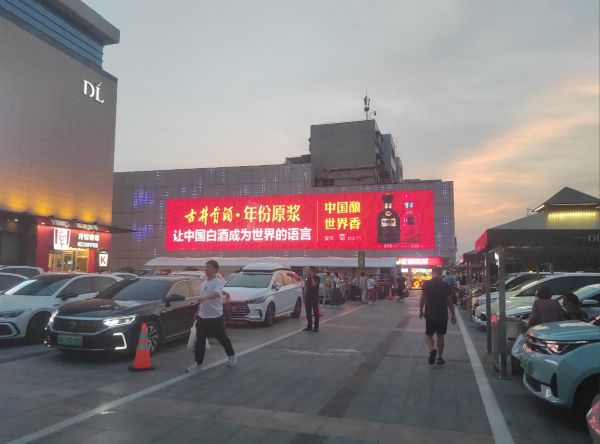
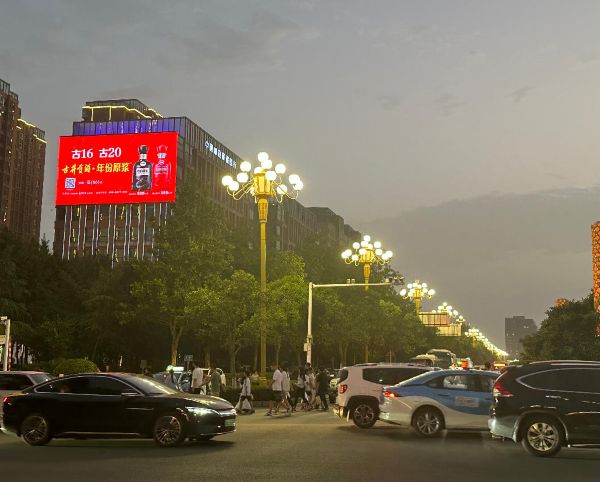
Outdoor advertising lightbox is a traditional outdoor medium that combines lighting and visual display, covering locations such as street facades, commercial districts, bus stops, and shopping mall exterior walls. For local merchants and some national brands who pursue high reach, continuous exposure, and brand visibility, lightboxes are still a cost-effective and clear conversion option for advertising. This guide focuses on practical steps, measurement standards, and suggestions for avoiding pitfalls, helping you determine whether outdoor advertising light boxes are worth investing in and providing actionable advertising processes.
一、 Basic Concepts and Types
What is an outdoor advertising lightbox?
Outdoor advertising light boxes are usually composed of aluminum alloy frames, weather resistant backboards, transparent images, and internal light sources (LEDs). By using backlighting or side lighting, the visibility of the image can still be maintained at night and in low light environments.
common types
Road signs/bus shelter lightboxes
Front door/store sign lightbox
Large light box on the exterior wall of the shopping mall
Window display light box and floor standing light box
二、 Goal setting: 5 questions you must answer before launching
What is the goal? (Brand exposure, store traffic, promotional activities, announcements)
Who is the target audience? (Age, occupation, travel time period)
Geographic scope? (Single store radius, business district coverage, or city level)
Budget ceiling and expected ROI? (Short term promotion vs long-term brand)
How to measure effectiveness? (Customer flow, QR code scanning, exclusive discount code, brand search volume)
A clear answer will directly determine the selection, creativity, and advertising cycle.
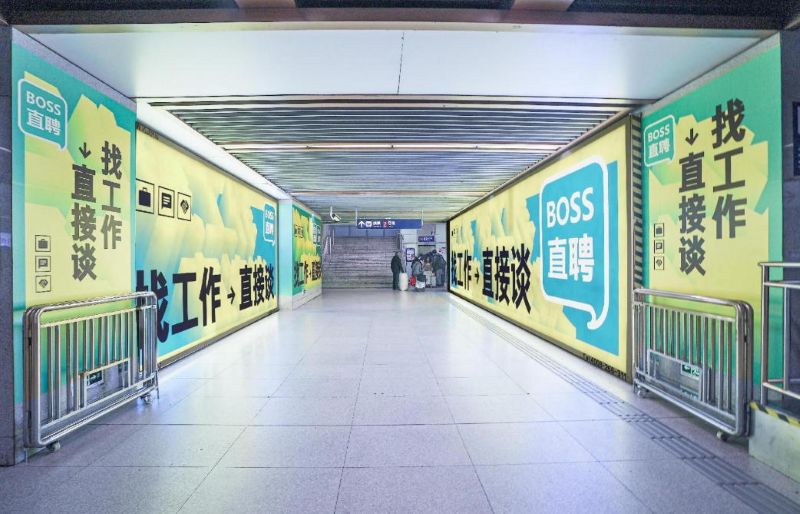
三、 Delivery process
1: Location selection research (priority of location)
Priority: Entrance/Exit>Waiting Area>Visual Stay Area (such as check-in island, commercial street atrium).
Estimate and observe peak hours using pedestrian/vehicular traffic flow, and record the duration of the target user's stay.
Output: 3 candidate positions (primary position, backup position, to be observed position).
2: Budget and Contract Negotiation
Clearly include content such as production, installation, cycle, maintenance, frequency of screen replacement, lightbox lifespan, and warranty.
Suggested negotiation points: leakage of traffic data, compensation mechanism (failure/power outage), first investment discount or trial investment period.
3: Creativity and Visual Production (Design Key Points)
The core information is clear at a glance: brand logo+a strong CTA (such as "scan code to receive coupons").
Color matching and brightness: high contrast, less text, large icons. Prioritize backlight intensity for nighttime viewing.
Multi version testing: regular version+night optimized version+promotional version.
4: Installation and acceptance
Check the installation angle, unobstructed, uniform lighting, and waterproof sealing.
Request the supplier to provide photos and illuminance reports before and after installation.
5: Monitoring and optimization during the advertising period
Indicators: number of visitors to the store, utilization rate of discount codes, scanning volume, brand search volume, sales increment.
Weekly or bi weekly review: Adjust the copy or change the image, and if necessary, change the position or shorten/extend the cycle.
6: Summary and replication
Summarize KPIs and calculate monthly/weekly single touchdown costs and customer acquisition costs (CAC).
If the ROI is normal, develop a replication plan (similar business district or city expansion).
四、 Cost and effectiveness measurement of advertising
Direct costs: production cost+installation cost+periodic rent+maintenance cost.
Indirect costs: creative and photography, approval time costs.
Effect measurement method: Use exclusive discount codes, short links/QR codes, exclusive phone numbers, store comparison tables, and other methods to attribute.
Tip: Don't just look at the "panel quotation", but also measure the effective reach (exposure x dwell time x target matching degree).
五、 Creative examples and copywriting examples
Store sign/storefront (prominent slogan): "Even at night bright - XX baking, freshly baked every day! ”
Promotion lightbox (including QR code): "Scan the code to receive a 10% discount coupon, only valid this week
Brand lightbox (image): large image+3-character brand slogan+small text indicating business hours/address.

六、 Common Misconceptions
Misconception 1: Only focusing on price, not matching location and audience
Avoidance: Prioritize evaluating the flow of people and target user characteristics, rather than simply comparing prices.
Misconception 2: Too much visual information and too small text
Avoidance: Maintain the principle of readability within 3 seconds (passing crowd's gaze stays very short).
Misconception 3: Not considering light pollution or reflection issues at night
Avoidance: Require on-site testing of nighttime brightness and provide actual photos.
Misconception 4: Neglecting maintenance and replacement costs
Avoidance: Clear maintenance clauses and free replacement periods in the contract.
Misconception 5: Without an attribution scheme, it is impossible to determine whether outdoor advertising lightboxes are worth investing in
Avoidance: Design a trackable conversion path (QR code, discount code, exclusive contact) before advertising.
七、 Technical and regulatory considerations
Confirm the local municipal approval and size restrictions for outdoor billboards.
Night light boxes must meet brightness and flicker standards to avoid safety hazards.
Comply with the Advertising Law regarding censorship and content standards (caution is required for medical, financial, and educational categories).
八、 How to answer the core question: "Is outdoor advertising lightbox worth investing in
Short answer: It may be worth it, but it depends on your goals, location, and traceable conversion plan.
Judgment criteria (3):
Clear goal: Short term promotions versus long-term branding will affect the payback period.
Location matching: The quality of pedestrian flow takes priority over quantity.
Traceability: Without attribution, the effectiveness of advertising is difficult to quantify.
If you are a local store, restaurant, or retailer with the goal of "increasing nearby foot traffic or instant promotion," outdoor advertising light boxes are often worth investing in. If the goal is national brand exposure and the budget is limited, it is necessary to evaluate both online and large-scale outdoor activities (such as landmark brands) together.
九、 Practical checklist (10 replicable steps)
Clearly define the advertising goals and KPIs.
Conduct research and list three candidate positions.
Obtain daily/weekly pedestrian flow estimates for each location.
Design two visual versions (regular/nighttime).
Confirm the contract terms (maintenance, fault compensation, data support).
Take photos and inspect the illumination before and after installation.
Closely monitor changes in QR code scanning/in store during the first week after going live.
Review and adjust the screen or advertising time every two weeks.
Summarize monthly ROI and make decisions: continue/optimize/stop.
Copy the successful plan to a similar commercial district.
十、 Conclusion
Conclusion: Outdoor advertising light boxes still have strong value in localized marketing and sustained exposure. Judging whether outdoor advertising lightboxes are worth investing in should be based on location, audience, and traceable conversion mechanisms; Just looking at the panel price often leads to misjudging ROI.