How to Plan an Airplane Advertising Campaign: A Step‑by‑Step Guide for Brands
2026-06-04Tianci MediaViews:69
Highlights
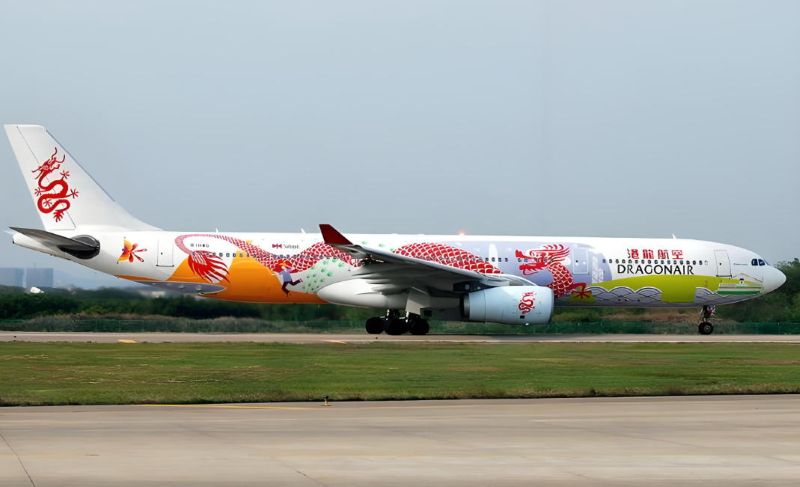
You’ve seen the photos: a vibrant wrap on a regional jet, a clever tray table sticker, or a banner soaring over a packed stadium. Airplane advertising looks exciting. But without a structured plan, it can become an expensive flight to nowhere. This guide breaks down the entire process of launching an airplane advertising campaign into seven actionable steps. Whether you run a local tourism board, a direct‑to‑consumer product, or a B2B service, you’ll learn exactly how to move from idea to impact — without wasting budget.
Step 1: Define a Measurable Goal
Write down a specific, measurable goal. Examples:
Increase foot traffic to a store by 20%
Drive 1,000 website visits from a specific region
Boost brand recall by 15% among business travelers
Avoid fuzzy goals like “get our name out there.”
Step 2: Match Goal to Ad Format
| Goal | Best Format |
|---|---|
| Local event attendance | Banner towing |
| Drive traffic to airport‑area business | External fuselage wrap |
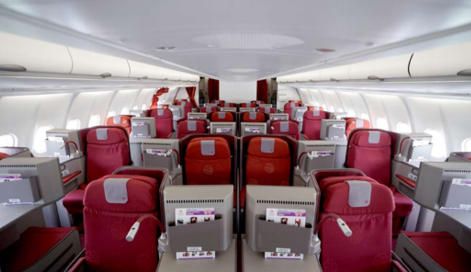
| Reach business travelers | Headrest cover + seatback video |
| Mass regional awareness | Full external wrap on multiple jets |
| Direct response (sales, sign‑ups) | Tray table QR code |
Key rule: Keep branding on external wraps; save QR codes for interiors.
Step 3: Set a Realistic Budget (4‑week campaign, USD)
| Format | Total Cost (approx.) |
|---|---|
| Banner towing (limited days) | $3.5k – $7.5k |
| Tray table stickers (1 plane) | $8k – $16k |
| Headrest covers (3 planes) | $20k – $33k |
| External partial wrap (1 jet) | $28k – $55k |
Small budget tip: Start with a tray table test on a single route ($15k or less).
Step 4: Target Flight Routes, Not Demographics
You target people who fly from A to B at certain times.
List your customer’s home and work airports.
Identify leisure or business routes that match.
Request anonymized passenger data from an aviation media agency (business/leisure split, connection rates).
Step 5: Choose Vendor – Airline Direct or Agency
Airline direct: Lower rates, but slow (8–16 weeks) and high minimums.
Aviation media agency: Faster, bundled pricing, creative help, but 15–25% markup.
Recommendation: Use a specialist agency for first campaigns.
Step 6: Meet Airline Creative Specs
Internal ads (tray tables, headrests)
Must meet FAA fire safety standards (FAR 25.853)
Exact dimensions and removable adhesive required
No covering of emergency signs
External wraps
Limited reflectivity (no pilot distraction)
Align with aircraft panel seams
Certified installers only
Pro tip: Get a pre‑production proof on the exact aircraft model.
Step 7: Launch and Measure 5 KPIs
Ground impressions – airport passenger counts × flight frequency.
In‑flight engagement – QR scans or digital click‑throughs.
Brand lift survey – aim for 15+ point recall increase.
Earned media value – social mentions of your aircraft.
Sales/foot traffic lift – compare target zip codes to baseline.
Common Mistakes to Avoid
Using tiny fonts on tray tables (read from 18″ in dim light).
Paying for parked aircraft – ask for actual block hours.
No call‑to‑action on external wraps.
Ignoring connecting passengers (offer national or online value).
Mini Case Study: Coffee Chain
Goal: Increase visits to an airport‑adjacent cafe
Budget: $18,000
Tactic:External partial wrap + tray table QR code
Result: +41% cafe visits, 622 QR scans, $6.80 per incremental visit
Is It Right for You?
✅ Yes if: clear geography, traveler‑fit product, $15k+ budget, ability to measure.
❌ No if: audience doesn’t fly, budget under $5k, can’t wait 8–12 weeks.
Final Checklist
☐ Measurable goal
☐ Format matched to goal
☐ Budget set (media + production)
☐ Routes selected using passenger data
☐ Vendor chosen
☐ Creative approved to airline specs
☐ 5 KPIs tracked post‑launch
Airplane advertising rewards careful planning. Start small, measure everything, then scale.
Ready to plan your campaign? Contact an aviation media specialist for a custom quote.