How to invest in digital dynamic advertising? From LED screens to building televisions, a beginner's guide for beginners
2026-04-14Tianci MediaViews:101
Highlights
What is digital dynamic advertising? How to install LED screens, building televisions, and subway digital screens? This article breaks down the advertising process and billing methods. Tianci Media is a professional advertising platform that helps you efficiently implement digital dynamic advertising. Click to get the practical guide.
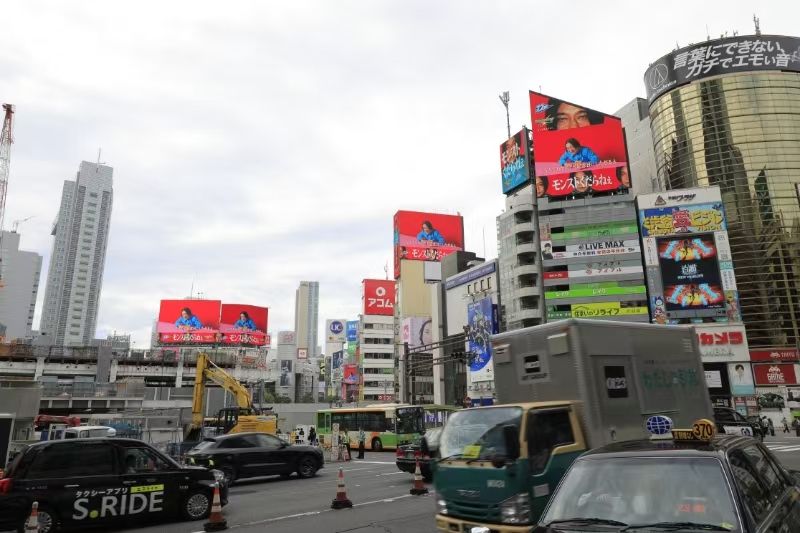
Have you ever seen a huge LED screen in the atrium of a shopping mall, with a dynamic and colorful image that makes you unable to resist taking a second look when passing by? Or in the elevator lobby of an office building, being attracted by the video ads that rotate on the screen while waiting for the elevator? These are digital dynamic advertisements.
It is completely different from traditional static lightboxes and posters - it can play videos, rotate multiple images, and even change content according to time periods or weather. For brand owners, digital dynamic advertising is a media form that combines offline traffic and online flexibility. This article will start from scratch and help you comprehensively understand the characteristics, placement steps, and pitfalls of digital dynamic advertising.
1、 What is digital dynamic advertising? 3 core advantages
Digital dynamic advertising refers to the form of advertising that plays dynamic images (videos, animations, and slideshows) through digital screens (LCD/LED). Common scenarios include outdoor LED screens, building elevator televisions, shopping mall guide screens, subway/bus digital screens, pre screening advertisements in cinemas, etc.
Its core advantages are threefold:
Strong visual impact: Dynamic images and sound (some scenes) are far more eye-catching than static posters, and the information carrying capacity is also greater - a 15 second video can tell a complete story.
Flexible and interchangeable content: Static lightboxes need to be remade and manually drawn when changing the image, while digital dynamic advertisements can remotely and real-time change content, and even make different push notifications by hour, weather, and audience.
Quantifiable monitoring: Digital screens usually have backend playback logs, which can accurately count the number of ad plays and time periods, making them much more transparent than traditional outdoor advertising's "blind advertising".
2、 he entire process of digital dynamic advertising placement
Step 1: Clarify the advertising scenario and lock in the media format
Digital dynamic advertising in different scenarios, suitable for different brand goals:
Typical media formats suitable for target locations
Outdoor LED large screen urban commercial districts, transportation hub brands with loud exposure, event marketing
Building elevators, TV, office/residential elevators, high-frequency access to office workers and family members
Shopping mall guide screen, shopping center internal guidance to store, promotional activities
Subway/bus digital screen carriages, platforms, waiting halls, commuting crowds, area coverage
Pre screening advertisements in cinemas, large screens in theaters, young audiences, immersive memories
Novice advice: First, identify the scenes that your target audience often goes to, and then choose the corresponding screen type. For example, for parent-child education, choose community building television; Make trendy clothing, choose LED in the mall atrium or in front of the cinema screening.
Step 2: Determine the advertising period and frequency
Digital dynamic advertising is usually sold in two ways: "carousel" or "exclusive":
Carousel: Your ad and other ads share screen time and are charged based on "duration per play x number of plays per day". For example, a 15 second advertisement is played 300 times a day.
Exclusive: During a certain period of time, the entire screen only shows you, which is expensive and suitable for new product launches or brand days.
In terms of time slots, the peak hours on weekdays and weekends are the golden time slots, and prices may be 1.5-2 times higher than during the off peak period.
Step 3: Create advertising materials that are compatible with digital screens
The material production of digital dynamic advertising is similar to traditional television advertising, but there are three special requirements:
Screen ratio: Different screens have different resolutions (16:9 landscape, 9:16 portrait, 1:1 square), and it is necessary to follow the template provided by the media for production.
Duration control: usually 5 seconds, 10 seconds, 15 seconds. Only logo+one sentence can be displayed in 5 seconds; 15 seconds can tell a short story and action instructions.
Security zone blank space: The edge of the screen may be obscured by borders, and key information (QR code, phone number) should be placed in the central 70% area of the screen.
Production cost reference: Simple graphic and text carousel animation, 2000-5000 yuan; Professional 15 second live action video, 30000 to 150000 yuan.
Step 4: Place an order through a professional platform and obtain monitoring broadcasts
The resources of digital dynamic advertising are represented by screen operators (such as Focus, New Tide, Phoenix Urban Media, etc.) or integrated platforms. Xiaobai often goes directly to the operator and is often quoted a high price due to the small purchase volume.
Tianci Media is a professional advertising platform that integrates over 500000 digital screen resources across the country, including outdoor LED, building TV, subway screens, and more. They provide:
Free strategy recommendation: Based on your budget, target city, and demographic profile, we recommend 3 sets of screen combination solutions
Transparent quotation: quoted by CPM (thousand impressions) or by time period, with clear costs
Monitoring report: Provide screenshots or actual videos of the backend playback logs to prove that the advertisement was indeed broadcasted
Step 5: Effect tracking and optimization
The effectiveness of digital dynamic advertising can be evaluated from two dimensions:
Indirect effects: Changes in brand search volume, website visits, and store foot traffic during the advertising period
Direct conversion: Set up exclusive QR codes or short links (with screen support) in the advertisement, and count the number of scanned codes
After the launch, compare the data from different screens, time periods, and materials to optimize the next round of plans.
3、 Common billing methods for digital dynamic advertising
The easiest thing for beginners to confuse is the pricing unit for digital dynamic advertising. There are mainly three types:
CPM (cost per thousand impressions): Suitable for screens charged by playback count. For example, if CPM is 50 yuan and you purchase 1 million displays, the cost will be 50000 yuan for 50 times 1000.
CPD (Charge Per Day): How much does one screen cost per day, with no limit on the number of views. Suitable for screen wrapping for all day bombing.
Time slot package: Purchase fixed time slots by week or month (such as 8-10 am every day), suitable for commuters.
The prices vary greatly among different cities and screens. Outdoor LED screens in core commercial districts of first tier cities may cost up to 200-500 yuan in CPM; In second tier cities, the CPM for building televisions may be as low as 30-80 yuan.
4、 4 common misconceptions of digital dynamic advertising
❌ Misconception 1: Believing that "dynamics" equals "good results"
If the quality of the material is poor - the picture is cluttered, the information is overloaded, and the sound is harsh - the dynamics are actually repulsive. First ensure the quality of the content, then discuss the dynamic form.
❌ Misconception 2: Ignoring the 'viewing environment'
The digital screens inside subway cars are noisy and the sound is almost inaudible, so information needs to be conveyed through visuals and subtitles. The LED screen in the atrium of the shopping mall should be large enough for people to watch from a distance, and the text should be large enough. The material design logic is completely different in different scenarios.
❌ Misconception 3: Only buy low-priced screens and ignore "crowd matching"
Some screens have low CPM, but they cover low spending individuals or non target areas. Calculate the cost per thousand 'target customers' instead of just looking at CPM numbers.
❌ Misconception 4: Not asking for a monitoring certificate, being cheated by "empty brushing"
Some small agents may falsely report the number of plays. It is essential to request third-party monitoring reports or screenshots of backend logs. Tianci Media's standard service includes live streaming data to ensure that every penny you buy is traceable.
5、 Conclusion: The Method of Placing Digital Dynamic Advertising
Digital dynamic advertising is an "evolved version" of traditional outdoor advertising - it retains the forced reach of offline traffic while increasing the flexibility and traceability of online advertising. For beginners, it is recommended to start along the following path:
Clear Goal: Brand Exposure or Promotion Conversion?
Scenario selection: Identify 1-2 screen types based on the target audience (it is recommended to start with building TVs or mall screens, with a lower threshold)
Production material: Within 15 seconds, highlight a core selling point+one action command
Find the right platform: Obtain price comparison and monitoring services through professional advertising platforms such as Tianci Media
Scale up after small testing: invest for 2-4 weeks first, evaluate the effectiveness, and then add budget
If you are considering digital dynamic advertising, you may want to contact Tianci Media first. As a professional advertising platform, they can provide you with a free "Digital Dynamic Advertising Proposal", which includes screen resource recommendations, CPM quotation estimates, and industry case studies. Tell their consultants about your industry, budget, and target city, and you will receive a clear and executable plan.