Airplane Advertising: Skyrocket Your Brand with High-Altitude Exposure
2026-06-02Tianci MediaViews:80
Highlights
In a world where digital ads are blocked, banners are ignored, and social feeds scroll endlessly, brands face a growing challenge: how to capture unforgettable attention. Airplane advertising offers a powerful solution. By turning aircraft into moving billboards or placing messages inside the cabin, you reach audiences in a high-impact, low-distraction environment. This guide explores every facet of airplane advertising—from types and costs to audience targeting and creative execution.
What Is Airplane Advertising?
Airplane advertising refers to any paid brand message displayed on or inside an aircraft. It can be divided into two main categories:
External (air-to-ground) ads: Large-format decals or paint schemes applied to the fuselage, wings, or tail of an airplane. These are visible from airports, nearby roads, and even from the air.
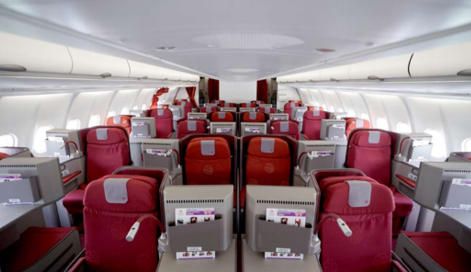
Internal (in-flight) ads: Brand placements within the passenger cabin, including headrest covers, overhead bin wraps, tray table stickers, safety card branding, and digital screens on seatbacks.
A less common but highly memorable variant is banner towing, where a small aircraft pulls a flexible sign behind it. While typically used for local events, banner towing is part of the broader aerial advertising ecosystem.
Why Invest in Airplane Advertising? 5 Key Benefits
1. Unskippable Exposure
Unlike digital pre-roll ads that users close after five seconds, airplane ads cannot be ignored. Passengers sitting in a cabin have limited distractions—no phone calls, no driving, just the seat in front of them. For external ads, anyone on the ground looking up (or waiting at an airport gate) sees the message without ad blockers.
2. Premium Audience Demographics
Commercial airline passengers tend to have above-average income, education, and professional status. According to industry data, over 60% of business travelers are involved in purchasing decisions for their companies. Placing your brand on an airplane means reaching decision-makers, frequent flyers, and high-net-worth individuals.
3. Geographic Targeting with Scale
Airlines operate predictable routes. You can target specific regions, cities, or even cross-continental corridors. For example:
A tech company launching in Texas can advertise on Southwest Airlines flights departing from Dallas.
A luxury watch brand can target New York–London routes using international carriers.
Banner towing offers hyper-local targeting—think beaches, stadiums, or concert venues—on specific days.
4. Positive Brand Association
Air travel is associated with progress, excitement, and freedom. By advertising on an airplane, your brand borrows those emotional cues. Passengers are often in a receptive, relaxed mood (especially after takeoff) or anticipating a destination, which makes them more open to relevant offers.
5. Long-Lasting Impressions
A well-designed external aircraft livery can stay in service for months or years. Every time the plane lands, taxis, or flies over a city, it generates repeated impressions. Internal media campaigns typically run for 4–12 weeks, ensuring frequency without fatigue.
Types of Airplane Advertising Formats
Choosing the right format depends on your campaign goals, budget, and target audience. Below are the most common options.
External Fuselage Wraps (Full or Partial)
A full wrap covers the entire aircraft, turning it into a flying billboard. Partial wraps focus on the tail, engines, or rear fuselage. These are best for massive brand awareness campaigns, movie launches, or tourism board promotions (e.g., “Visit Hawaii” on a Hawaiian Airlines jet).
In-Flight Seatback Screens
Many airlines offer sponsored content on seatback entertainment systems. These can be static display ads, pre-roll videos before movies, or interactive hot spots. Ad length usually ranges from 15 to 60 seconds. Metrics include impressions, click-through rates (via onboard Wi-Fi), and completion rates.
Tray Table and Headrest Covers
Tray tables are impossible to avoid during meal service. A branded sticker on the tray table or a custom-printed headrest cover guarantees hundreds of views per flight segment. Some airlines offer “digital tray tables” with embedded screens for dynamic messaging.
Overhead Bin Wraps
When passengers stand to stow luggage, their eyes naturally move to the bin doors above. Overhead bin wraps are especially effective for retail, entertainment, and food & beverage brands. They create a sense of immersion—imagine stepping into a cabin that looks like a tropical resort or a sports arena.
Boarding Pass and Lounge Ads
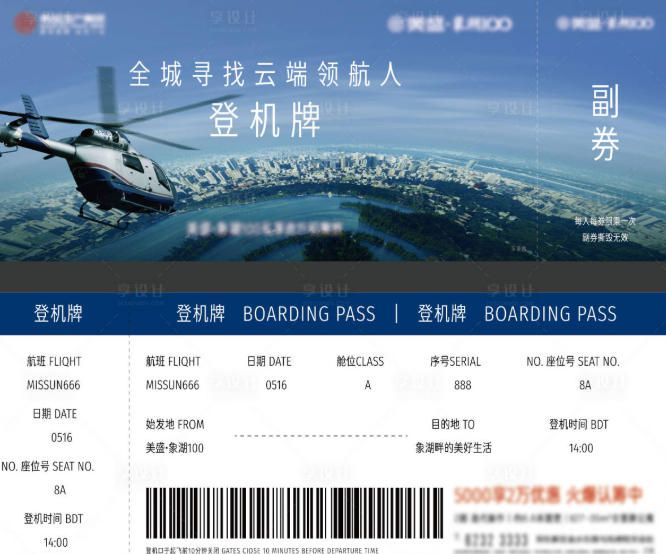
Though not strictly “airplane” advertising, boarding pass branding (printed or digital) and airport lounge signage are often sold as add-ons. They extend the travel touchpoint from check-in to landing.
How to Measure ROI from Airplane Advertising
Measuring outdoor or in-flight media can seem tricky, but several methods exist:
Promo codes or QR codes: Include a unique code or scannable QR on external wraps or tray tables (adjusted for Wi-Fi availability).
Landing page traffic spikes: Use a campaign-specific URL and monitor analytics during the flight period.
Surveys and recall studies: Ask passengers or ground observers if they remember seeing the ad. A lift of 15–25% in unaided recall is typical for well-executed campaigns.
Geofencing integration: Combine external aircraft ads with mobile geofencing around airports. When users enter the airport area, they receive a retargeting ad on their phone.
Cost Factors: How Much Does Airplane Advertising Cost?
Budgets vary widely. Here are typical ranges (USD, as of 2025):
| Format | Duration | Approximate Cost |
|---|---|---|
| Banner towing (local) | 1-3 hours | $1,500 – $5,000 |
| Tray table stickers (one plane, 4 weeks) | 4 weeks | $8,000 – $20,000 |
| Headrest cover campaign (5 planes, 8 weeks) | 8 weeks | $25,000 – $60,000 |
| Full external fuselage wrap (1 plane, 6 months) | 6 months | $150,000 – $500,000+ |
| National in-flight video ad (all screens, 1 month) | 1 month | $50,000 – $200,000 |
Costs depend on airline, route popularity, production complexity (wrapping an A380 costs more than a turboprop), and exclusivity. Many media agencies specialize in aviation advertising and can negotiate bundled packages.
Best Practices for Creative Execution
Keep It Simple (External Ads)
For fuselage wraps, you have only 2–3 seconds of viewing time from the ground. Use a massive logo, one word of benefit, and a contrast color scheme. Avoid phone numbers or long URLs. Instead, use a memorable short domain .
Leverage the Environment (Internal Ads)
Inside the cabin, context is everything. A luggage brand advertising on overhead bins makes perfect sense. A meditation app advertising on tray tables during a turbulent flight? Less so. Tailor the message to the passenger’s journey stage: pre-takeoff (excitement), cruising (boredom/receptivity), landing (local offers).
Use Motion and Lighting (Digital Screens)
If using seatback screens, design short loops with motion graphics. Static text is ignored. Also, consider ambient lighting – some airlines now allow cabin lighting changes synchronized with an ad (e.g., a sunset drink brand dimming the lights).
Test with QR Codes, But Offer Value
QR codes work only if passengers have in-flight Wi-Fi or are on the ground. Offer a clear incentive: “Scan to get free lounge access on your next flight” or “Enter code WING10 for 10% off.”
Real-World Success Story: A Regional Tourism Campaign
In 2023, the tourism board of “Green Isles” (a fictional but realistic case) launched a 12-week airplane advertising campaign on a budget airline flying to three secondary cities. They used:
External tail wraps (three planes) showing a palm tree icon and the phrase “Escape to Green Isles.”
Tray table stickers with QR codes linking to a 20% discount hotel offer.
Results: 18% increase in website traffic from those three cities. Unprompted ad recall among passengers reached 42% (vs. industry average 25% for out-of-home). The campaign generated 3.2 million ground impressions just from airport approaches. Cost per thousand (CPM) came out to $4.70, lower than many local TV spots.
Challenges to Watch For
Regulatory approvals: External aircraft ads must meet aviation safety standards (no reflective materials that distract pilots, no messages that mimic emergency signals). Work only with FAA/EASA-approved installers.
Lead times: Booking airplane advertising often requires 8–16 weeks advance notice, especially for major airlines. Seasonal peaks (summer, holidays) fill up faster.
Uncontrollable variables: A plane might be rerouted to a different destination for operational reasons. Your ad budget could end up flying over untargeted regions. Insist on a rerouting clause in your contract.
Production cost for wraps: A full fuselage wrap costs $50,000–$150,000 to design, print, and install. That’s separate from the media placement fee.
Is Airplane Advertising Right for Your Brand?
Airplane advertising shines for brands that need:
High-impact launch awareness (movie, car, tech product)
Premium audience targeting (B2B, luxury, finance)
Geographic dominance (travel, tourism, real estate)
A creative “wow factor” that generates PR and social media shares
It is less suitable for hyper-niche B2B products, low-margin local services (except banner towing), or campaigns requiring real-time optimization.
Getting Started: 3 Action Steps
Define your flight path: Which airports, routes, and passenger profiles match your buyer persona? Request anonymized data from airlines or media partners.
Choose a specialist agency: Generalist media buyers often lack aviation contacts. Look for agencies with “aerial,” “aviation,” or “in-flight media” in their portfolio.
Start small: Test with tray table stickers on one plane for 4 weeks. Measure recall and web traffic. If ROI justifies, scale to external wraps or full-network campaigns.
The Future of Airplane Advertising
Emerging technologies are reshaping this space. Augmented reality (AR) tray tables – where passengers point their phone at a branded sticker to see a 3D animation – are being tested by Asian carriers. Connected aircraft with high-speed Wi-Fi allow real-time ad swapping: a breakfast cereal ad in the morning, a cocktail brand in the evening, all on the same flight. Drone light shows are not airplane ads, but they compete for aerial attention – which pushes airplane advertising toward more creative, integrated solutions.
One thing is certain: as screens multiply on the ground, the sky remains one of the last truly distraction-free canvases. Airplane advertising isn’t just a medium; it’s a statement. It says your brand is big, bold, and ready to fly.
Ready to launch your first aerial campaign? Contact an aviation media specialist today and turn every takeoff into a brand opportunity.