Why choose outdoor advertising screens?
2025-12-02Tianci MediaViews:240
Highlights
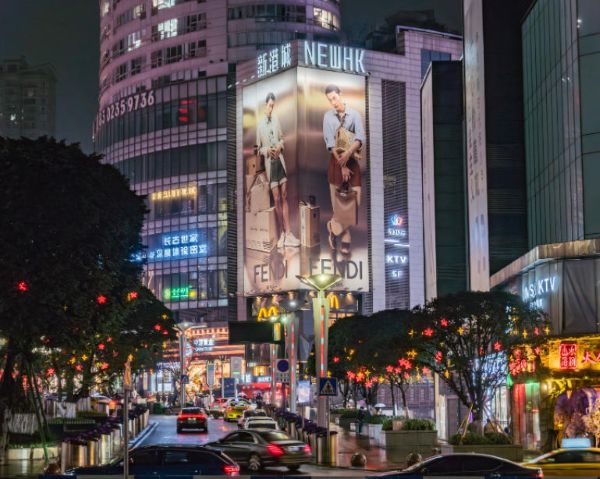
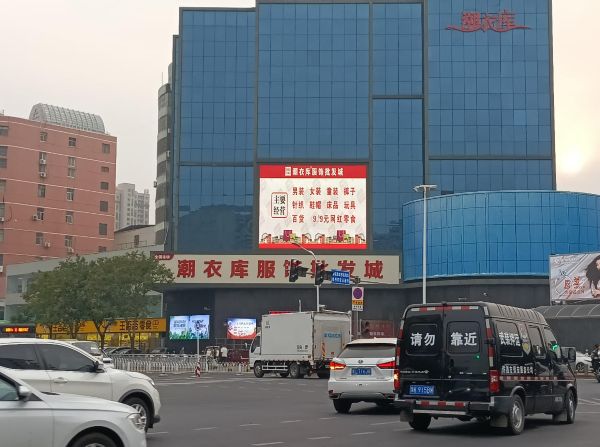
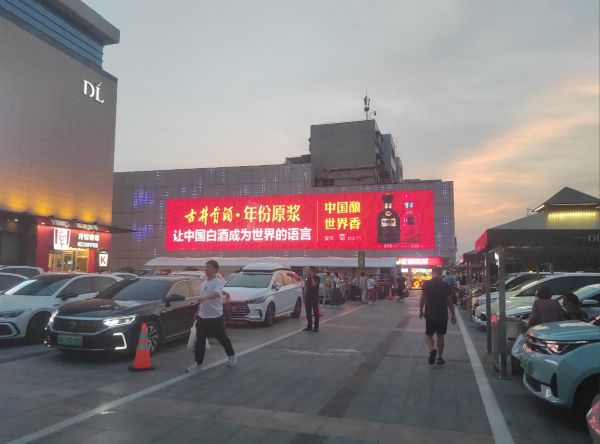
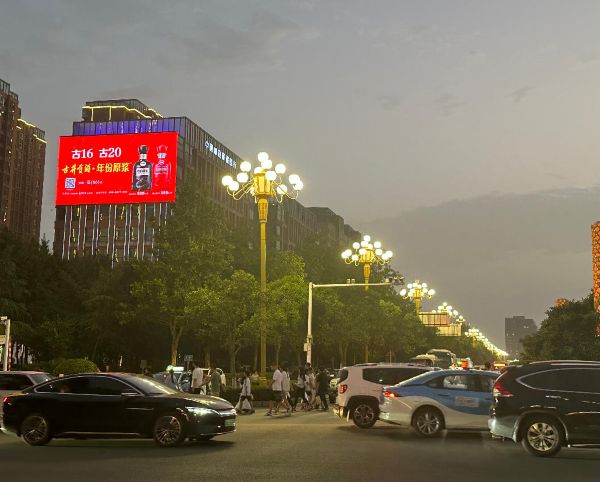
Outdoor advertising big screens (usually referring to city screens, building LEDs, commercial area LED screens, etc.) are known for their high visibility, strong visual impact, and concentrated exposure.
Outdoor advertising screens (usually referring to city screens, building LED screens, shopping district LED screens, etc.) are known for their high visibility, strong visual impact, and concentrated exposure. For advertisers looking to quickly build brand awareness, attract public attention, or create buzz around online campaigns in a short period, large-scale screens can deliver significant results. However, their high cost and complex execution also require more rigorous strategies and tracking methods.
1. What is an outdoor advertising screen (Definition and Types)
Definition: An outdoor advertising screen is a highly visible advertising medium displayed in public spaces through electronic or physical screens, usually LED screens, covering locations such as commercial streets, landmark buildings, subway exits, and transportation hubs.
Common Types:
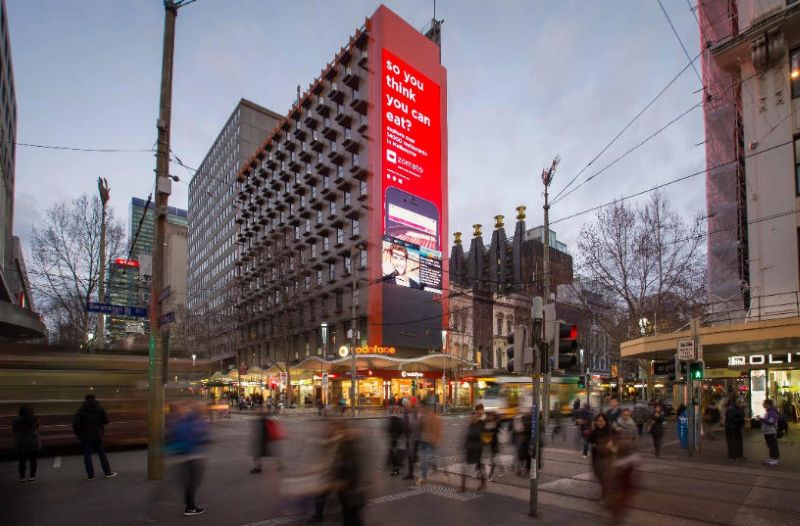
- Building screens (Building Wrap / Facade LED)
- City landmark screens (squares, financial districts)
- Shopping district/street LED screens (pedestrian streets, shopping mall exteriors)
- Transportation hub screens (airports, train stations, large subway stations)
- DOOH (Digital Out-Of-Home, digitally controllable displays)
The audience reach, viewing distance, and cost structure vary for each type, and should be chosen based on objectives.
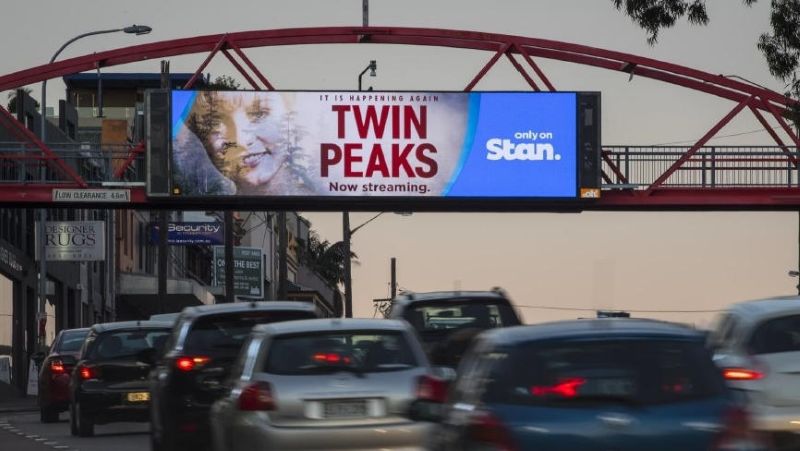
II. When to Use Large Screens (Applicable Scenarios)
Brand Launch/Rebranding: Create high awareness in a short period.
Major Events/Product Launches: Boost event momentum and guide foot traffic.
Regional Promotions/Store Openings: Quickly reach potential customers within the business area.
Holiday/Seasonal Marketing: Enhance attention by aligning with festive atmospheres.
Online Campaign Traffic Driving: Use large screens to generate buzz and increase social media sharing.
Before choosing a large screen, confirm whether the goal is "exposure and awareness" or “direct conversion (store visits/QR code scans).”
III. Six Steps to Prepare Before Launch (Step-by-Step)
Here is a 6-step process that can be executed directly.
Step 1 — Define Goals and Core KPIs
Common goals: impressions, short link/QR code clicks, store visits, brand search volume.
Set KPIs for each goal (e.g., QR code clicks ≥ 1,000 within 14 days).
Step 2 — Identify Target Audience and Coverage Map
Use "geography + demographic" as a dimension: for example, if the target audience is 25–35-year-old office workers, focus on large screens in areas with high concentrations of office buildings.
Draw the influence radius (e.g., 1km, 2km) and prioritize coverage.
Step 3 — Choose the Appropriate Screen Type and Location
Comparison: building-mounted screens are suitable for brand announcements, while transportation hubs are ideal for high-frequency traffic guidance.
Consider the viewing scenario: walking, driving, or commuting determines content display duration and information density.
Step 4 — Budget Estimation and Negotiation (Including Soft and Hard Costs)
Common billing methods: daily/monthly package, by display time slot, or CPM (cost per thousand impressions).
The budget should include: screen rental, production, installation/setup, monitoring, and replacement fees.
Step 5 — Creative and Material Preparation (See Next Section)
Prepare standard sizes and formats (confirm resolution and frame rate with the media provider).
Allow time for delivery and testing.
Step 6 — Installation, Testing, and Launch Monitoring
Check playback records and on-site display quality frequently during the first week online.
Synchronize with online landing pages/short link tracking data to ensure measurable results.
4. Key Points for Large Screen Creativity and Material Production
Large screen creative content must convey core information in a very short time and adapt to different viewing scenarios.
Visual and Layout Principles
Key Visual Emphasis: Main titles and brand should be recognizable from 30 meters away.
White Space and Contrast: Avoid crowded information; use large fonts and high-contrast colors.
Single Action Orientation: Only keep one CTA (scan QR code / visit store / search).
Time Control: Video loops should be 6–10 seconds per clip; static frames must remain readable for sufficient duration.
Copywriting Tips
Titles should be short with strong verbs (e.g., "Claim Now," "Enjoy Discounts In-Store").
Subtitles should be concise and add key information (time, place, discount).
For drivers, text should be simpler and graphics more intuitive.
Technical Specifications (Common Requirements)
Resolution, frame rate, and encoding format (confirm with media partner).
Night mode and brightness adjustment (avoid glare or too dark visuals).
Leave safe margins to prevent important information from being blocked.
5. Location Selection, Negotiation, Installation, and Acceptance Process
Location Selection Tips
Prioritize foot traffic nodes that match the target audience.
Consider visibility angles, surrounding obstructions, nighttime brightness, and traffic flow speed.
Negotiation Points
Request historical playback data and traffic estimates from the media provider.
Negotiate inclusions: playback schedule, compensation for sudden outages, number of material replacements, exclusive or non-compete periods.
Specify acceptance criteria and breach responsibilities in the contract.
Installation and Acceptance Checklist
Resolution, color deviation, image completeness, playback schedule, and volume (if audio).
Take on-site photos for records and request playback logs from the media provider.
Post-Launch Management
Regular inspections (daily in the first week, then weekly).
For long-term campaigns, establish a material rotation plan and creative iteration schedule.
6. Data Tracking and Performance Evaluation (KPI)
Key Metrics:
- Exposure (media estimated value)
- Short link/QR code clicks (quantifiable interaction)
- In-store redemption / offline conversion
- Brand search volume & social media mention growth
- CPM (cost per thousand impressions) and cost per store visit (CPA)
Tracking Methods:
- Use independent short links / landing pages with UTM parameters.
- Use offline redemption codes or exclusive promotion coupons for store attribution.
- Combine online traffic data (Google Analytics / Baidu Tongji) to observe changes in website/search traffic during the campaign.
Optimization Cycle:
- When data is insufficient, start with a small-scale test (1–2 locations).
- Adjust creative, timing, or placement based on interaction and conversion data.
7. Common Misconceptions and Compliance Risks
Common Misconceptions
Misconception 1: The bigger the screen, the more effective — matching the location with the target audience is more critical.
Misconception 2: Only chasing exposure without setting up tracking — unable to quantify returns, making optimization difficult.
Misconception 3: Once the creative is produced, it’s foolproof — iteration is needed to respond to audience feedback.
Compliance and Risk Tips
For industries such as finance, healthcare, pharmaceuticals, and education, copy and qualifications must be reviewed in advance.
Safety/regulatory restrictions due to night-time or traffic visibility should be confirmed with the media and relevant authorities.
Contracts should specify force majeure, construction impact, and rules for compensation in case of broadcast suspension.