Airport Advertising Playbook: Winning High-Value Travelers in the Terminal
2026-08-07Tianci MediaViews:15
Highlights
The airport is one of the few outdoor scenes that concentrates high-spending audiences. This guide uses a data-driven, cross-media lens to explain how airport advertising reaches high-value people in the terminal, how to buy dynamically by flight, and how to measure it.
1. Medium traits and audience mindset (why it works)
The terminal is a "high-dwell, high-mood" space: travelers wait 30–120 minutes relaxed and open to brands, while the airport itself lends a "premium, trustworthy" context. Brands appearing alongside the airport gain a halo of credibility. For B2B, automotive, travel, and finance, the airport is a high-efficiency precision venue.
2. Audience profiles and data-driven site logic
Airport audiences segment by route: business routes (Beijing–Shanghai, Shanghai–Shenzhen) hit professional high-net-worth; leisure routes (Sanya, Kunming) hit family spend; international routes hit outbound luxury. Select by "passenger-path density" — post-security, gates, and baggage claim are mandatory nodes. Use airline/security data to map routes to sites.
3. Programmatic and dynamic buying (pDOOH)
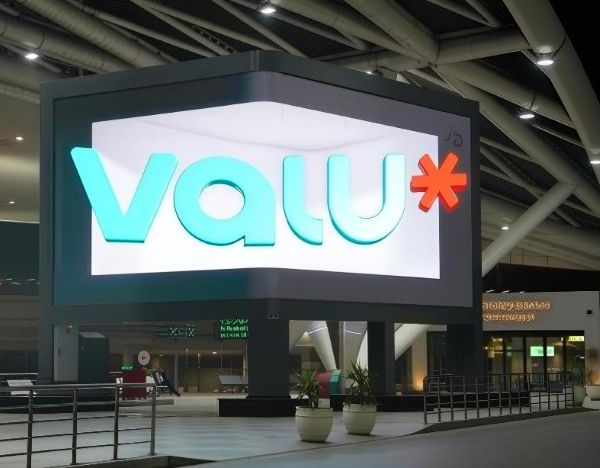
Terminal LEDs and screens are programmatic. Swap by flight time: coffee/business class in the morning, hotels at night, travel packages on holidays; even target by destination (Hainan-bound screens push sunscreen). Programmatic lets one screen speak to different people, lifting per-impression efficiency.
4. Creative fit for the medium
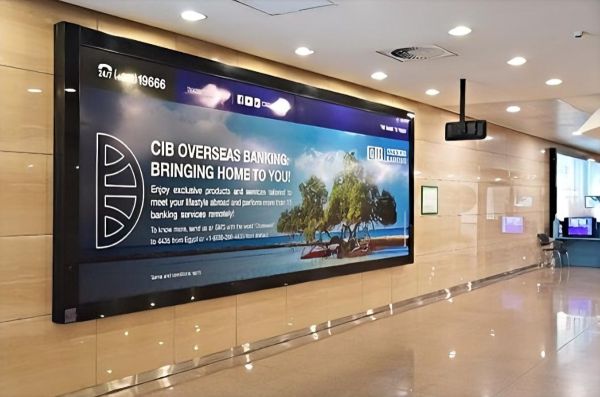
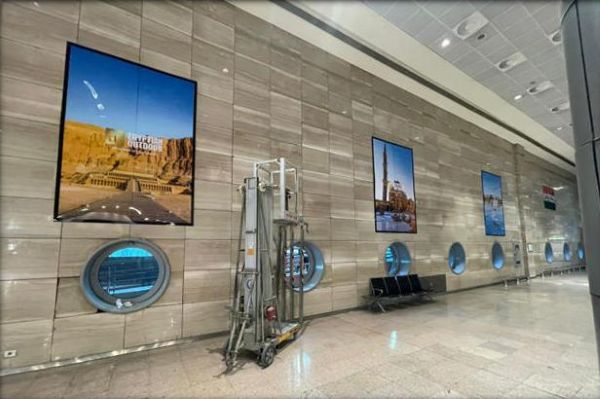
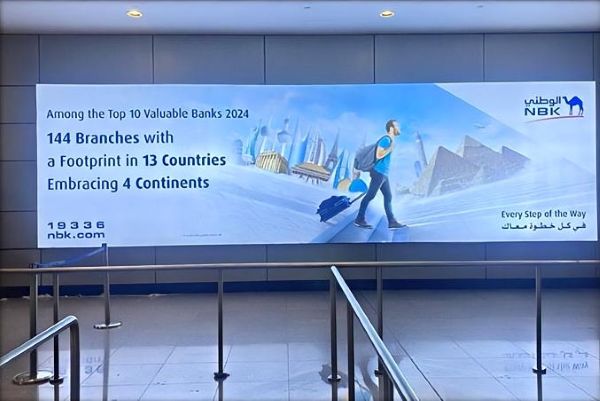
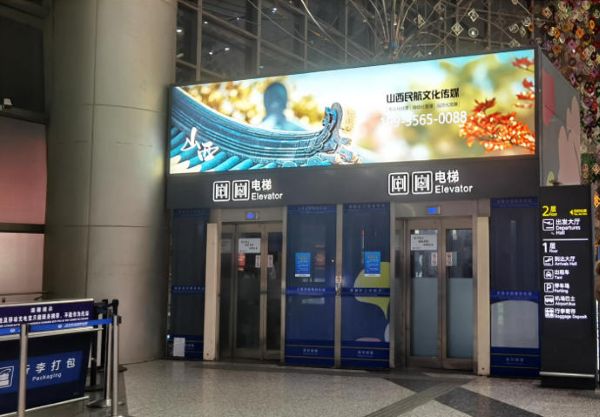
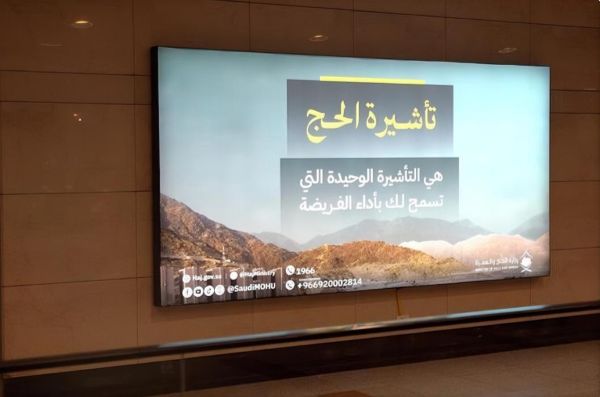
Airport creative should be restrained and premium: whitespace, strong brand mark, one value line — no clutter. Screens suit 5–10s brand loops; lightboxes suit static hero images. CTA is a brand search term or mini-program, not hard promotion, matching the traveler's mood.
5. Cross-media combination strategy
The airport is the "first touch for high-value people." Combos: airport screen seeds awareness → LinkedIn/official account retargets the same people → sales follows up (B2B); or airport + inflight magazine + destination OOH for a travel loop. Versus elevator/community, the airport raises the "mindshare water level"; others capture nearby.
6. Seasonal timing and campaign rhythm
Tie to summer family, National Day, Spring Festival travel, and expo seasons. Rhythm: start 2 weeks before, max during the holiday week, complete posting before peak to avoid gaps. Business routes can run always; leisure routes follow holidays.
7. Measurement and scientific attribution
Watch post-campaign brand-search index, direct site traffic, and CRM leads; for B2B match "airport-exposed people" to "store visits/lead form." Geo-fencing compares hub vs non-hub city visits — a common hard metric for airports.
8. Industry playbooks
Auto: highway billboard + terminal LED + test-drive, premium models; finance: lounge screens + private-banking invite, asset allocation; travel: departure-level screens + destination packages, one-stop trips. Common thread: high-value people, premium creative, traceable leads.
9. Common mistakes
Posting only at departures, not arrivals (arrival families are relaxed); too promotional (breaks premium feel); ignoring route mix (wrong people); no lead system (exposure can't convert).
FAQ
Q: Is airport advertising expensive? A: Top hubs are, but programmatic inventory and tier-2 airports lower the bar; pick routes. Q: Which industries fit? A: Auto, finance, travel, B2B, premium consumer. Q: When do results show? A: Brand search lifts in 2–4 weeks; B2B leads need 1–2 months with retargeting.
Summary
Airport advertising is "pinning your brand into high-value minds in a high-trust scene." Pick routes with data, buy programmatically, retarget in combo — the airport becomes a premium-growth amplifier.