Authoritative Guide to Shanghai TV Advertising Placement: Strategies, Resources, and Maximizing Results in Practical Practice
2026-02-11Tianci MediaViews:172
Highlights
This article provides advertisers with a complete guide to Shanghai TV advertising placement, deeply analyzing the media value of SMG's channels, IPTV, and OTT, and providing a full process strategy from goal setting, budget allocation to effect tracking. Read now to obtain professional solutions and efficiently reach the core consumer market in East China.
Shanghai, an international consumer center city with over 25 million permanent residents, has a complex and diverse media market. Despite the increasing fragmentation of digital media, Shanghai TV advertising, especially video dissemination centered around home screens, remains a strategic high ground for brand building to establish broad credibility and deeply reach mainstream household consumption decision-makers. However, today's "TV advertising" is no longer simply a satellite TV hard broadcast, but a converged media ecosystem that integrates linear live streaming, interactive on-demand, and intelligent push.
For advertisers seeking to establish or consolidate their brand position in the Shanghai and East China markets, understanding the operational rules of this ecosystem and scientifically allocating budgets are key to ensuring a return on investment (ROI) in marketing. This guide will systematically dissect the media landscape, placement logic, and practical steps of Shanghai TV advertising for you.
Chapter 1: Strategic Re evaluation: The Contemporary Value and Market Pattern of Shanghai Television Advertising
Why is Shanghai TV advertising still indispensable?
In a decentralized communication environment, the core value of Shanghai TV advertising lies in its irreplaceable authority and scene specificity:
Authoritative endorsement and trust building in regional markets: Channels under Shanghai Radio and Television (SMG), such as News Comprehensive and Dragon TV, enjoy high credibility among local families in Shanghai. Appearing here is an important endorsement of the brand's strength and reputation, which can quickly establish initial trust in the hearts of discerning Shanghai consumers.
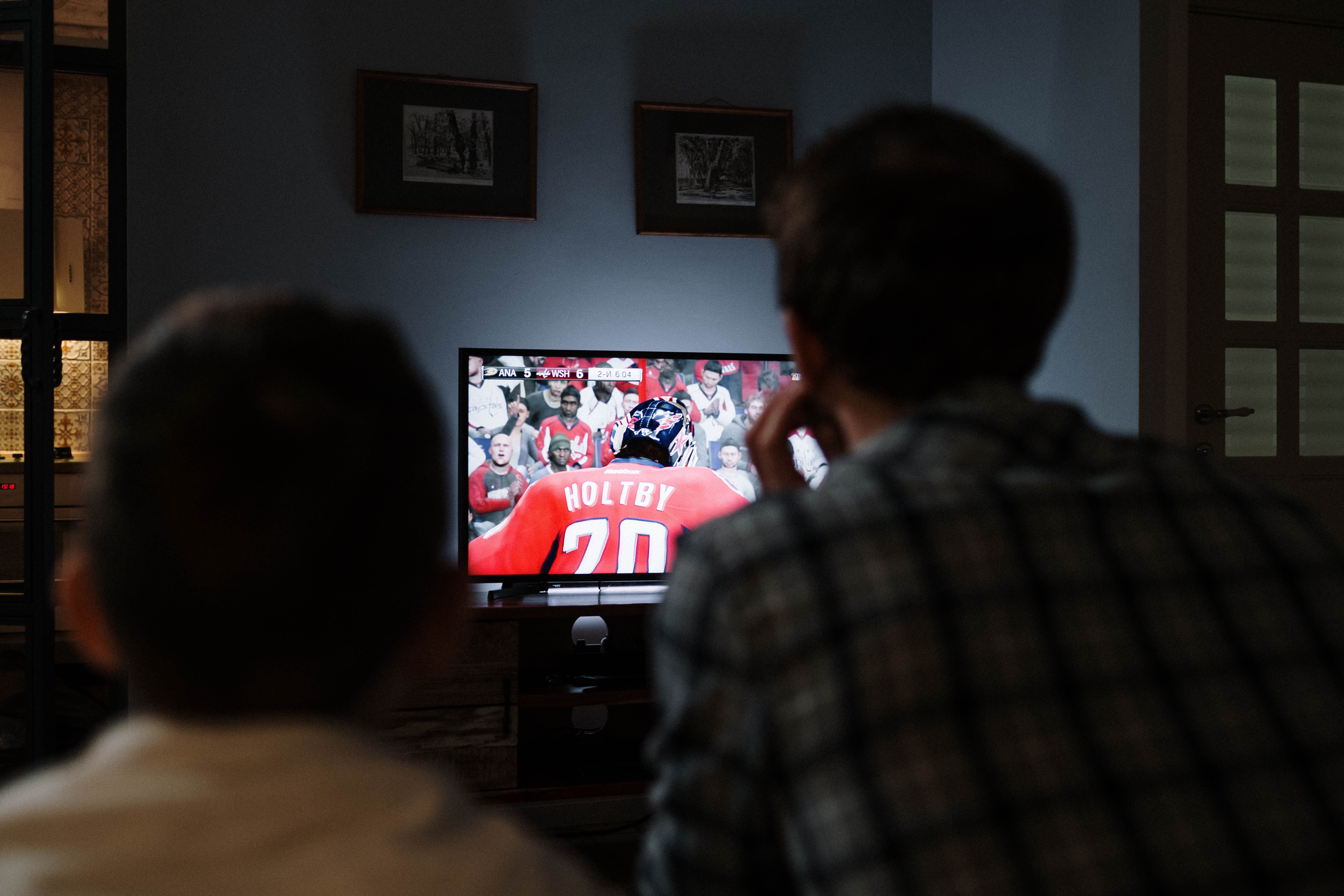
Efficient aggregation and deep impact on family units: The living room screen is one of the few media scenes that can aggregate the attention of all members of the family. For consumption that requires collective decision-making by families (such as automobiles, home decoration, tourism, education) or products targeting middle-aged and elderly people, television advertising has a penetrating power that directly reaches the decision-making core.
Precision capability upgrade in the integrated media environment: Through intelligent terminals such as Oriental Cable, IPTV, OTT, etc., advertising can now achieve precise targeted delivery based on geographic location, viewing preferences, and even community attributes, bidding farewell to the previous extensive model.
Brand safety and high-quality communication environment: compared with the open Internet with mixed information, the content review of formal TV media is strict, providing a safe, controllable and high-quality exposure environment for brands.
1.2 Three major segments of Shanghai's television advertising market
The current market has formed a tripartite pattern, and advertisers need to consider comprehensively:
Traditional cable TV: Represented by local channels in Shanghai (such as News Comprehensive, Haha Xuandong, etc.) and Dragon TV, it covers middle-aged and elderly people as well as households accustomed to traditional viewing, and is the foundation of broad-spectrum coverage.
IPTV (Interactive Network Television): Represented by Shanghai Telecom IPTV, with a huge user base, it has powerful functions such as startup advertising, on-demand placement, and precise regional targeting (which can be accurate to districts/streets), making it a powerful tool for effect conversion and regional cultivation.
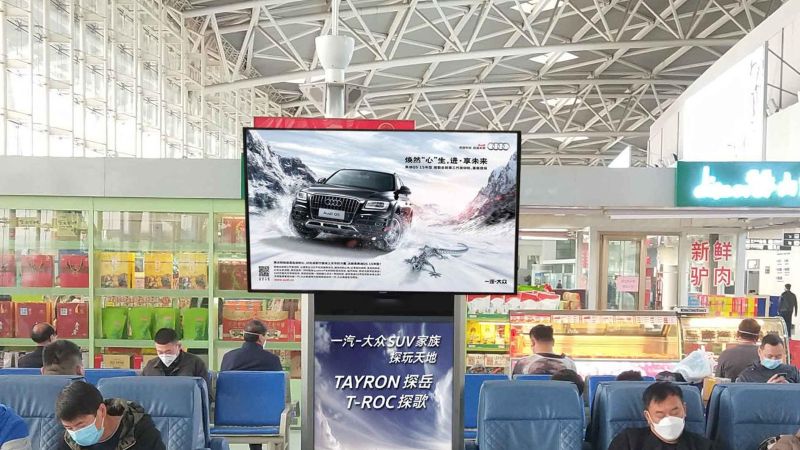
OTT (Internet TV): terminals such as Xiaomi, Huawei and Tmall Magic Box cover young and highly educated families, support programmed purchase and user portrait orientation, and are an important channel to reach the new middle class and young people.
Chapter 2: Analysis of Core Resources: Types and Choices of Mainstream TV Advertisements in Shanghai
2.1 Purchase during Hard Broadcasting Period
Satellite TV Golden Resources:
Channel: Dragon TV.
Resources: Golden Theater Patch, Core Variety Title/Special, News Program Before and After.
Value and Cost: Targeting the national and Yangtze River Delta markets, the brand has strong potential for improvement. The price is expensive, usually above tens of millions per season, suitable for brands with nationwide demand.
Local Channel Livelihood Resources:
Channels: News Comprehensive, First Financial, Five Star Sports, etc.
Resources: Local news before and after, popular livelihood program patches.
Value and Cost: Deeply immersed in the lives of local residents in Shanghai, with high trust and better cost-effectiveness compared to satellite TV. Brands suitable for deep cultivation in the Shanghai market, such as local finance, hospitals, home decoration, automobile 4S stores, etc.
2.2 Soft implantation and content collaboration
Program content implantation:
Form: In SMG's self-produced dramas and variety shows, the brand naturally integrates scenes, props, and oral broadcasts.
Value: High audience acceptance, emotional brand memory, suitable for customers who have stories to tell and pursue brand reputation.
Column Title/Special Appointment:
Format: such as "XX Brand News Workshop" and "This program is specially broadcasted by XX Brand".
Value: Strong binding with high visibility columns, high-frequency brand exposure, and quick establishment of category associations.
2.3 Innovative Advertising in Digital Television
IPTV/OTT startup advertisement:
Location: Full screen static or short video after turning on the TV and before entering the homepage.
Value: 100% mandatory exposure, strong visual impact, no interference, it is the top resource for building high-end brand image and releasing new products. It can achieve city and even district level orientation.
On demand patch and interactive advertising:
Location: Insert before, during, and after on-demand TV series and movies.
Value: It can be skipped, but users with a clear interest in the target content have higher attention. Partial support for QR code scanning and other interactive features to achieve product efficiency linkage.
Chapter 3: Five Step Practical Practice: Scientific Planning and Execution of Shanghai TV Advertising Placement
Step 1: Clarify marketing goals and budget anchoring
The starting point of all strategies. It must be clarified that:
Core objective: Is it brand building (enhancing visibility/reputation) or effect conversion (obtaining sales leads and promoting store traffic)? Or is it a regional assault (focusing on the Pudong New Area market)?
Budget allocation: Based on the target, preliminarily determine the budget proportion for traditional TV, IPTV, OTT, and content cooperation. For example, pursuing effect and regional penetration can significantly tilt towards IPTV startup and local channels.
Step 2: Audience Insights and Media Combination Strategy
Drawing an audience media map: Who are your target customers? What channels do they (or their parents) usually watch? Is it the local middle-aged and elderly who watch "News Square", the young families who watch TV shows through IPTV, or the trendy group who watch Netflix on Xiaomi TV?
Develop a "combination punch" strategy:
The combination of "high altitude+ground": using prime time hard broadcasts from Dragon TV or news comprehensive channels to boost brand momentum, while using IPTV Pudong New Area startup advertisements for precise regional saturation attacks.
The combination of "broad-spectrum+precision": covering the basic population with local channels, and targeting the high spending young mother group with OTT programmatic advertising.
Utilizing professional platforms to achieve efficient integration: Shanghai's television advertising resources are scattered and negotiations are complex. Collaborating with professional organizations like Tianci Media is crucial. Tianci Media is a professional television advertising placement company, whose core value lies in the ability to integrate multiple resources such as SMG, IPTV operators, OTT platforms, etc., provide cross media unified strategies, price comparisons, and one-stop advertising services, and optimize advertising effectiveness through data feedback, greatly improving advertiser decision-making efficiency.
Step 3: Adaptation of Creativity and Content
Hard advertising idea: Life and death are determined in the first 5 seconds: 30 second advertisement, the remote control must be held for the first 5 seconds. Highlight the brand, core interests, or create strong emotional/curious conflicts.
Soft implantation: Pursuing nature and empowering plot: When a brand appears, it should serve the plot and avoid stiffness. Think about how to make the product a part of the story.
Digital Advertising: Enhance Interaction and Call to Action: IPTV/OTT advertising should fully utilize interactive features, design clear QR codes or voice commands, and guide viewers to participate in activities or jump to e-commerce.
Step 4: Procurement Negotiation and Effectiveness Guarantee
Data based inquiry and negotiation: Media or agency companies are required to provide specific time/resource ratings (CPRP), reach (Reach), and click through rates (CTR, for interactive advertising) as the basis for quotation.
Key terms of the contract: Clearly stipulate the broadcast schedule (including backup tapes), guarantee of GRP (Gross Revenue Point), KPIs for effective advertising (such as exposure completion rate and interaction rate), and methods for monitoring and providing effectiveness reports.
Step 5: Effect tracking and integration review
Brand Effect Tracking: Compare the changes in the Baidu Index and WeChat Index of the brand before and after advertising, monitor the social media mentions and public opinion trends.
Sales performance attribution: Use methods such as 400 phone calls, exclusive discount codes, and offline store questionnaires to track inquiries and sales leads directly from TV advertisements.
Data based review: Comprehensive analysis of the cost and effectiveness data of various channels and forms of advertising, providing accurate guidance for the next optimization of advertising.
Chapter 4: Four Misunderstandings to Be Cautious of in Improving Investment Returns
Misconception 1: Simply equate "Shanghai TV commercials" with "Shanghai Oriental TV".
Wrong: Blindly pursuing the glory of satellite TV and neglecting the deeper penetration of local channels and IPTV resources into the Shanghai local market.
Yes: Evaluate the true needs of the brand. If the main battlefield is Shanghai, the combination of local media such as news integration and urban channels, combined with IPTV precise targeting, is often a more cost-effective and shorter conversion path strategy.
Misconception 2: Neglecting the strategic value of digital new forms such as "startup advertising".
Wrong: Believing that TV commercials are only available for purchase during specific time slots, without understanding or underestimating the forced reach and precise targeting capabilities of IPTV/OTT startup ads.
Yes: Incorporate startup advertising into the core media strategy, especially suitable for new product launches, high-end brand image building, or marketing activities targeting specific administrative regions.
Misconception 3: The extensive thinking of only "broadcasting is enough" lacks data-driven goals and evaluation.
Wrong: Satisfied with 'the boss sees the advertisement on TV', without setting quantitative targets such as GRP and Reach, and without conducting effect tracking.
Yes: It is necessary to set quantifiable and assessable KPIs (whether brand indicators or performance indicators), and use data-driven advertising optimization and budget allocation.
Misconception 4: TV advertising and digital marketing operate separately and cannot form a closed loop.
Wrong: TV commercials use one set of creativity and content, while social media uses another, without any interaction of traffic and data between the two.
Yes: Design integrated campaigns. TV advertising (especially interactive advertising) is responsible for attracting attention and trust, while guiding users to the brand's WeChat mini program, community, or e-commerce page, completing lead accumulation, fan accumulation, and sales conversion, achieving the integration of "product effect sales".
Conclusion
The core of success in investing in Shanghai TV advertising in the era of integrated media lies in "saying goodbye to generalization and embracing precision; saying goodbye to isolation and embracing integration". It requires advertisers to be guided by clear business objectives, deeply understand the complex pattern of "traditional cable, IPTV, OTT" coexisting in Shanghai, and make good use of data tools for scientific media combination and effect evaluation.
In this process, working alongside partners like Tianci Media who possess the ability to integrate all media resources, are driven by data technology, and have professional service experience will be your strategic choice to deal with market complexity, optimize investment allocation, and ultimately win consumer mentality and market share in the fiercely competitive Shanghai market. This is not only a media purchase, but also a strategic investment related to the long-term growth of the brand.