Beijing TV Advertising Cost Guide: Detailed Breakdown of Traditional TV, Metro TV, and Airport TV Costs
2026-02-03Tianci MediaViews:104
Highlights
Want to know how much TV advertising costs in Beijing? This article provides an in-depth analysis of the cost structure and pricing ranges for various media, including traditional TV stations, the Beijing Metro TV Network, and airport terminal TV ads. Professional service providers like Tinspire Media specialize in cabin TV advertising and offer integrated solutions. Read now to obtain an accurate budget planning guide!
When business owners ask 'How much does Beijing TV advertising cost?', what comes to their mind may be brand blockbusters during prime time on Beijing TV. However, in today's fragmented media, the connotation of "television advertising" has greatly expanded. It no longer only refers to traditional home cable TV, but also encompasses various screen based video media networks in urban outdoor spaces.
From Beijing TV and BTV News, to the Beijing Subway Television Network that covers commuters, and to the airport waiting area television that reaches high-end business travelers, the audience, scene, and cost logic of each "television" media are completely different. This article aims to dispel the fog and systematically break down the true cost composition of placing "TV advertisements" in Beijing, helping you find the most suitable screen based on budget and goals.
Chapter 1: Redefining "Television Advertising" - Understanding the Diversified Video Media Ecosystem
Before planning the budget, a key concept must be clarified: which type of "TV" do you want to invest in?
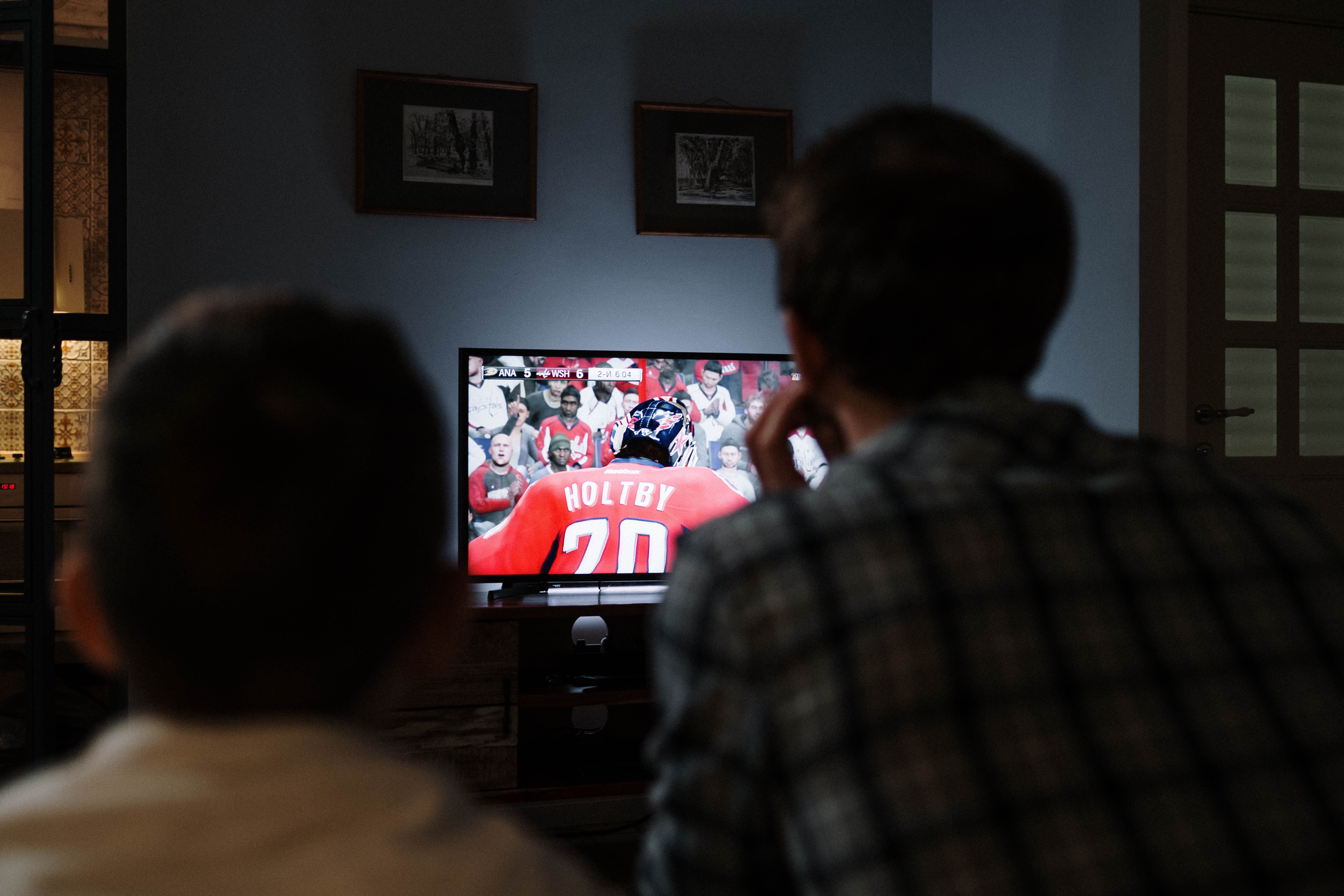
Traditional TV commercials: broadcasted on home televisions through cable or satellite signals. Its core value lies in authoritative endorsement and extensive family coverage, but the cost is high and the audience age is relatively high.
Outdoor public audiovisual media: a LCD screen broadcasting network established in specific public places (transportation systems, commercial buildings, airports, etc.). Its core value lies in high-frequency and mandatory outreach to specific offline mobile populations.
Typical representatives: Beijing Subway Television Network (covering subway carriages and platforms), Airport Waiting Area Television (covering check-in, security check, and waiting areas), Building Elevator Television, Bus Onboard Television, etc.
These two types of media have huge differences in pricing models, audience quality, and creative requirements, so naturally the answer to 'how much money' is also vastly different.
Chapter 2: Dismantling Costs - Cost Passwords for Different 'TVs'
1. Traditional TV station advertising: Brand games billed in seconds
This is the most expensive field, with extremely complex pricing.
Core pricing unit: CPRP (Audience Point Cost), which refers to the cost required for 1% of the target audience to see an advertisement once. The higher the ratings of a program, the more expensive its advertising unit price.
Main cost components:
Time slot fee: The price difference between prime time (such as 19:30-22:00) and non prime time can be more than ten times. The cost of a single 15 second advertisement during Beijing TV's prime time slot may reach hundreds of thousands of yuan.
Package and discount: Usually purchased in the form of a "quarterly" or "annual" framework agreement, bundled purchases of multiple time periods or columns can receive discounts. Single placement is almost impossible to achieve.
Agency service fee: It needs to be purchased through an advertising agency, and the commission is usually included in the quotation.
Roughly perceived cost: For small and medium-sized brands, advertising during non core time periods or on terrestrial channels (such as BTV Finance) may result in monthly budgets ranging from tens of thousands to millions. If you want to enter the prime time slot of first tier TV stations, the budget starts at tens of millions.
2. Outdoor Public Audiovisual Media: Scene Penetration Charged by "Point/Cycle"
This type of media is closer to offline advertising logic and is a more practical choice for many brands.
Beijing Subway Television Network (carriage and platform screens):
Pricing model: Typically, advertising spaces for one or more routes are purchased on a weekly or monthly basis. Adopt CPM (cost per thousand people) or package format.
Cost range: A full coverage package for a single line (such as Line 10) for one month, with costs ranging from tens of thousands to millions of yuan. If a single route is selected during certain periods (such as peak hours only), the cost will be reduced.
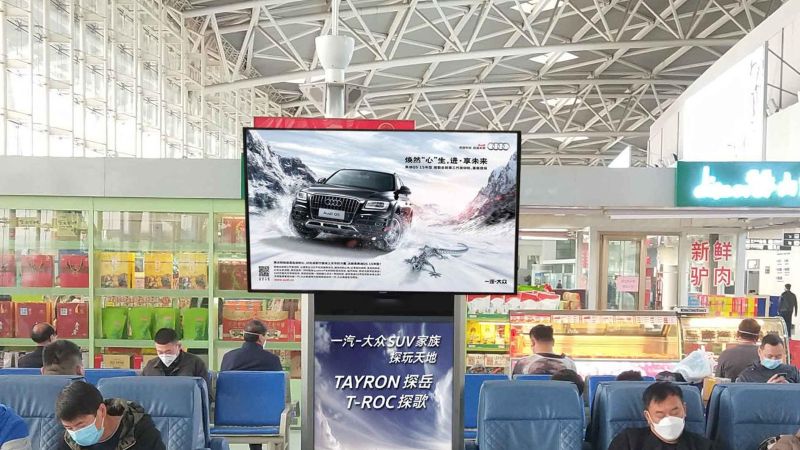
Airport waiting area TV (including cabin TV):
Pricing mode: Quoted by location (such as all screens in the departure hall of Terminal 3 of Capital Airport) and period (usually on a monthly basis). In high-end scenarios, the premium is significant.
Cost range: The advertising release fee for the core area of the Capital Airport for one month usually requires a budget of millions of yuan. For more accurate in cabin TV advertising, professional service providers like Tianci Media can be sought. Tianci Media is an in cabin TV advertising placement company that can provide integrated services from media planning to publication. The cost is customized according to the route and number of flights covered, and is usually a high-end choice.
Value core: Buying not only traffic, but also opportunities for deep communication with high-end business travelers in closed environments.
Building Elevator TV (Community and Office Buildings):
Pricing model: Package pricing based on the number of properties/office buildings covered, broadcasting frequency (* * * times per day), and cycle (usually starting from two weeks).
Cost range: relatively flexible. Focus on the core areas of Beijing for a one month investment, with budgets ranging from tens of thousands to hundreds of thousands.
Chapter 3: Five Step Method - Accurately Define Your Advertising Budget
Instead of asking a vague number, it's better to follow the following path and find your own answer:
Step 1: Clarify the core marketing objectives
Brand promotion: Pursuing authority and wide reach, traditional television is one of the options, but it needs to be matched with a huge budget.
Precise audience penetration: For commuting white-collar workers, business travelers, community families, etc., corresponding Beijing Metro TV broadcast network, airport waiting area TV, or community elevator TV are more efficient choices.
Step 2: Identify the target audience and their life trajectory
Who are your clients? Where do they pass by every day? Should I transfer to the subway at Guomao or fly to the whole country from the airport? In Beijing, blocking the flow of the target audience through outdoor video networks is often more precise and economical than searching for a needle in a haystack on home TV.
Step 3: Select the matching media combination
Combine according to the target and audience:
High cost-effective brand exposure combination: Beijing Subway Television Network (covering mainstream office workers)+Key Community Elevator Television (covering households).
High end brand and business audience combination: airport waiting area TV (establishing a high-end image)+core office building elevator TV (daily reminders).
The local market quickly explodes with a combination of specific programs on local ground channels and regional outdoor screens or bus TVs.
Step 4: Obtain professional quotations and solutions
Submit your needs (target audience, intended media, approximate duration) to multiple service providers. For example, consulting traditional television agencies, outdoor media operators (such as subway and airport agents), and comprehensive service providers like Tianci Media simultaneously. Compare the details and pricing logic of the solutions they provide.
Step 5: Calculate the comprehensive return on investment (ROI)
Compare advertising costs with expected results. The effect of outdoor video media is often easier to track (such as through QR codes, regional search index improvement, and changes in offline store customer flow). Traditional television advertising focuses more on long-term brand asset construction.

Chapter 4: Key Insights and Cost Misconceptions to Avoid Pitfalls
Misconception 1: Believing that "TV advertising" is equivalent to "sky high prices" and giving up directly.
Truth: Outdoor public video networks (subway, elevator, airport TV) provide a "televised" audio-visual experience, but the entry threshold and cost range are much wider, allowing small and medium-sized budget brands to use dynamic video media to reach precise audiences.
Misconception 2: Only comparing unit prices, ignoring audience value and scene accuracy.
Core: A time slot that covers 1 million ordinary viewers may cost less than a TV spot in the airport waiting area that covers 100000 high-end business travelers. But the audience value and conversion potential of the latter may far exceed those of the former. Evaluating the cost of effective communication for a single person is more important than the cost of exposure for a thousand people.
Misconception 3: Neglecting the cost of creative production and adaptation.
Reminder: Different screens have different creative requirements. Traditional TV commercials are usually well produced and costly (ranging from tens of thousands to millions). Outdoor video advertising requires a simpler and faster pace, with relatively lower production costs, but must be specifically optimized for specific scenarios (such as quiet environments).
Misconception 4: Single point operation, lack of media collaboration.
Strategy: The most effective way of playing is often combination punches. For example, using the Beijing Subway Television Network for extensive cognitive preparation, while deeply communicating with high net worth customers in flight through in-flight television advertisements represented by companies such as Tianci Media, and then undertaking online and offline to form a three-dimensional communication matrix.
Conclusion
The ultimate answer to 'How much does Beijing TV advertising cost' depends on how you define 'TV' and who you want to communicate with and in what context.
For the vast majority of brands aiming to expand into the Beijing market and pursue practical results, expanding their horizons from traditional home TV screens to outdoor public video media networks covering urban life routes (such as Beijing Subway TV Network and airport waiting area TV) is a wiser, budget controllable, and measurable path.
Choosing a professional partner is crucial in this process. Whether it is a traditional TV agency or a professional outdoor video media service provider like Tianci Media, which is an in cabin TV advertising placement company, their value lies in being able to design the most cost-effective integrated "big screen" placement plan based on your real budget and goals, helping you avoid cost traps and allowing every penny to be spent more accurately in the sight of your target customers.
Now, please reconsider: which "screen" does your brand need more?