Airplane (Inflight) Advertising Myths Busted: 5 Misconceptions and Counter-Intuitive Truths
2026-08-08Tianci MediaViews:8
Highlights
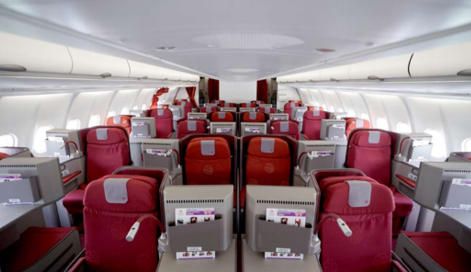
Airplane advertising means inflight cabin media — seatback screens, tray tables, headrests, overhead bins — and is distinct from airport terminal advertising. It sells a scarce scene: a captive, high-value audience at 30,000 feet with limited phone use. This guide uses a myth-busting + counter-intuitive lens to make inflight advertising logic clear.
1. The 5 Myths Advertisers Most Often Believe
- Myth 1: Airplane ads = airport ads. False. Airport is the terminal (depart / arrive); airplane is the cabin (in air) — different scene, different mindset.
- Myth 2: Only first class has value. False. Economy has the largest volume and widest reach via seatback screens.
- Myth 3: Can't be targeted. False. Buy by route (business vs leisure), cabin class, and aircraft type.
- Myth 4: Too expensive to matter. False. You buy rare "high-density + unskippable" inventory.
Myth 5: Passengers don't watch. False. In flight mode, seatback screens become one of few consumable contents.
2. Counter-Intuitive Truths
- Truth 1: Captive in-flight scene. Phones limited, attention returns to cabin media.
- Truth 2: Seatback screens are forced-view. Right in front, on at power-on, high skip cost.
- Truth 3: Target by route / cabin. Beijing–Shanghai business vs Sanya leisure — audiences and creative split.
Truth 4: Extremely high-value density. Air travelers carry both spending power and decision authority.
3. When Airplane Advertising Is the Right Call
- High-ticket, premium consumption (auto, finance, travel, watches, spirits);
- Using the "flight scene" for premium brand endorsement;
- Targeting business / leisure routes precisely;
Relaying with airport advertising for a full "depart–fly–arrive" journey.
4. Underrated Creative Plays
- Seatback: quiet, textured brand films — not loud promotions.
- Tray table / headrest: one statement + route customization, content feels made for this flight.
Overhead bin: subtle logo placement for premium presence.
5. Don't Choose One: Combine
Inflight + airport terminal + membership system creates an end-to-end premium journey.
6. Where Acceptance Fails Most
- Screen health — broken units unreplaced; demand a health-rate report.
- Playtime shortfall — content truncated; confirm per-flight duration and frequency.
Route mismatch — wrong routes bought; verify against the route list.
7. Airplane Advertising Quick Decision Checklist
- Do target routes / cabins match?
- Are seatback / tray / headrest roles clear?
- Is creative quiet and premium in tone?
- Is it relayed with airport advertising?
- Are screen health and playtime confirmed?
Is the route-level posting report delivered?
FAQ
Q: Airport or airplane first?
A: Relay both for a full journey; tight budget starts with the terminal.
Q: Is economy worth it?
A: Yes — largest volume and widest reach.
Q: How to prove it works?
A: Track membership activity, brand-search, and lead / visit lift.
Summary
Airplane advertising buys the rarest captive high-value audience in the sky. Bust the 5 myths and it becomes the most distinctive premium screen you own.